Sleep Reset Culture
Why quality sleep is becoming the ultimate productivity trend

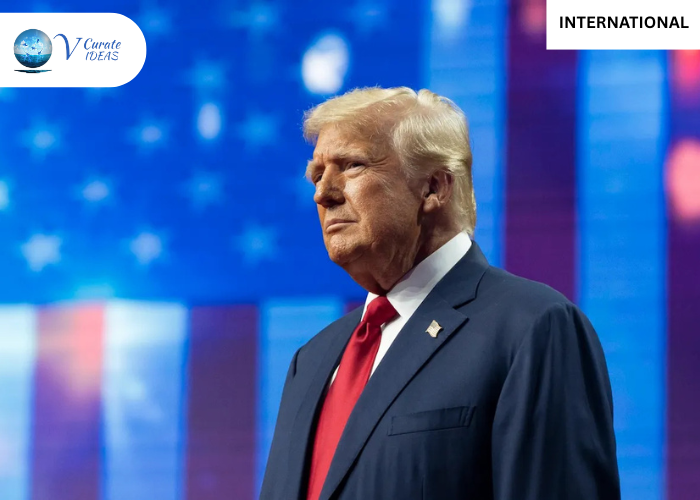
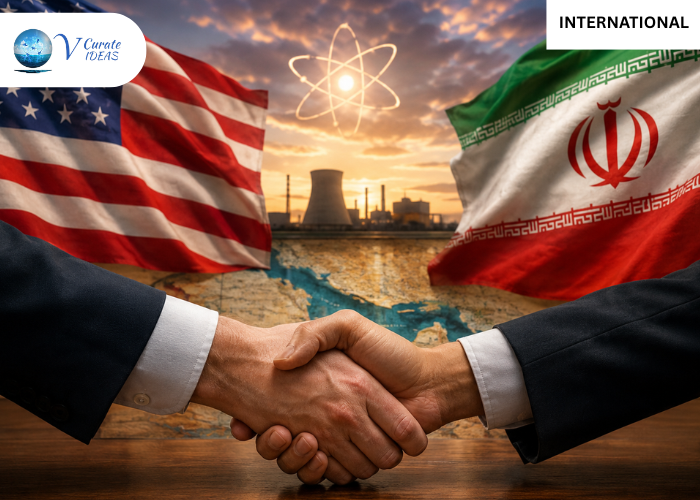
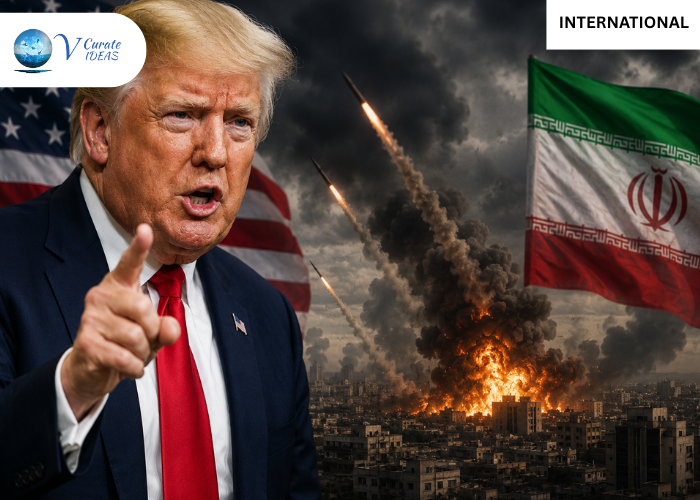
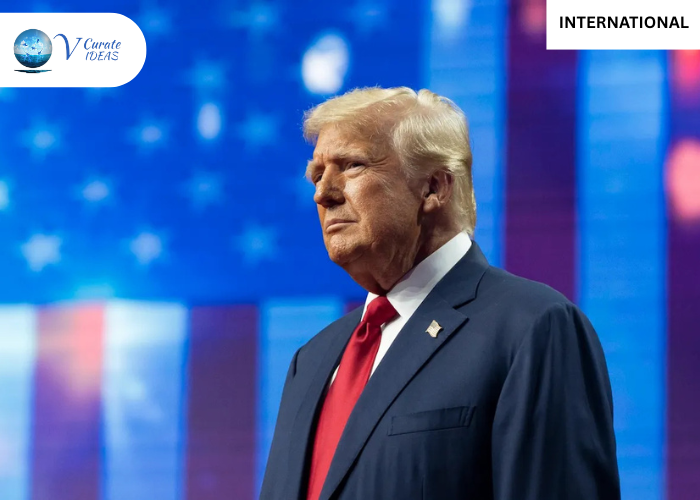
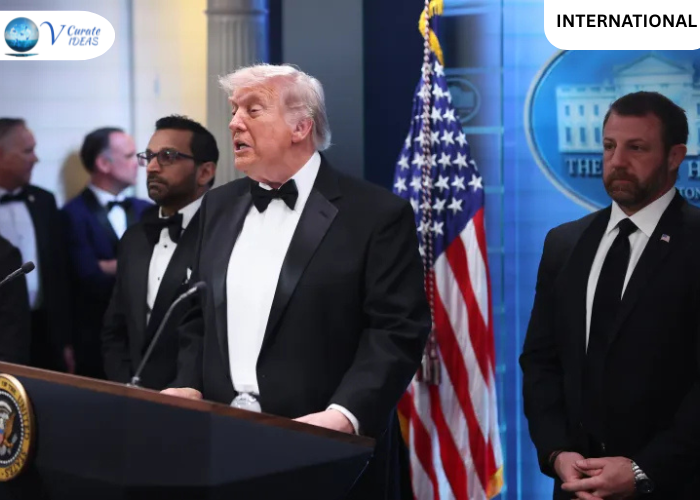
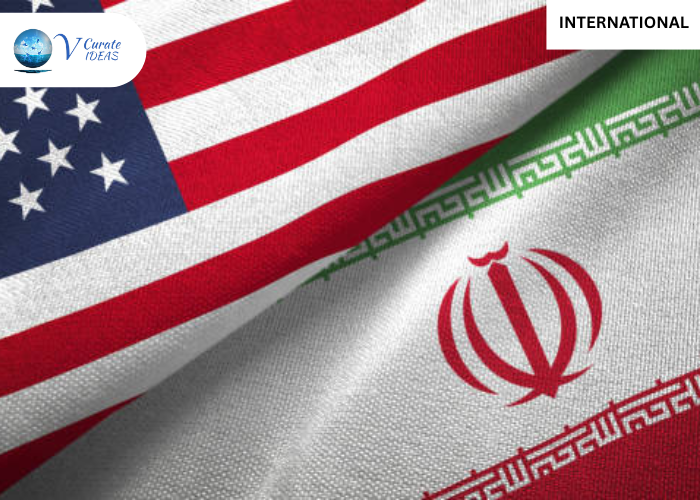
Donald Trump has sharply rejected Iran’s latest proposal aimed at ending the ongoing conflict involving the United States, Israel, and Iran, calling Tehran’s response “totally unacceptable” as fears grow over a wider regional crisis in the Middle East.
The comments came after Iranian officials reportedly delivered a counterproposal through Pakistani mediators in an effort to negotiate an end to the war that erupted following large-scale US and Israeli air strikes on Iran earlier this year. According to Iran’s semi-official Tasnim news agency, Tehran’s proposal demanded an immediate end to military operations on all fronts, the lifting of the US naval blockade on Iranian ports, compensation for war-related damages, and guarantees against future attacks.
Despite a ceasefire introduced last month to reduce fighting and open the door for negotiations, tensions remain dangerously high. Small exchanges of fire have continued, while both Washington and Tehran accuse each other of escalating the situation.
Posting on his Truth Social platform, Trump dismissed Iran’s response after reviewing it, writing: “I have just read the response from Iran’s so-called ‘Representatives.’ I don’t like it — TOTALLY UNACCEPTABLE.”
The rejection signals that negotiations remain deeply fragile despite international pressure to prevent the war from spiraling further across the region.
Meanwhile, Benjamin Netanyahu insisted that military operations cannot fully end until Iran’s nuclear infrastructure is dismantled. Speaking during an interview on CBS’s 60 Minutes, Netanyahu stated that Iran’s enriched uranium stockpile and enrichment facilities “have to be taken out” before the conflict can truly be considered over.
The United States reportedly submitted a 14-point memorandum outlining possible conditions for ending the conflict. According to Axios, the proposed framework includes a suspension of Iran’s uranium enrichment program, gradual sanctions relief, and the restoration of safe maritime transit through the strategically vital Strait of Hormuz.
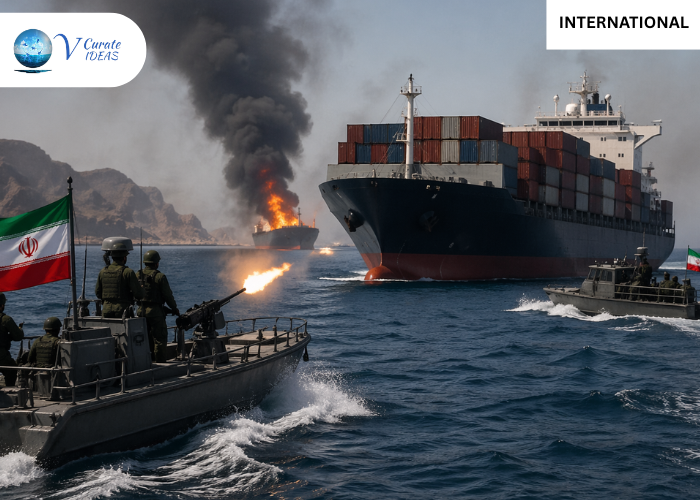
However, Iran continues to maintain pressure in the waterway, one of the world’s most important energy routes. Roughly 20% of global oil and liquefied natural gas shipments normally pass through the Strait of Hormuz, making disruptions there a major threat to the world economy.
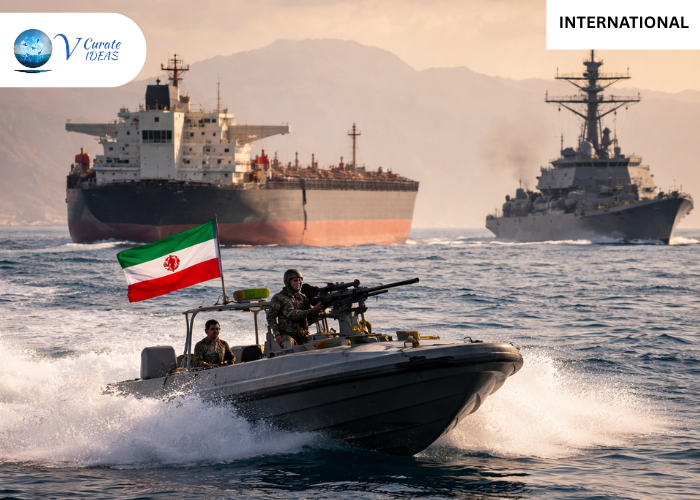
Traffic through the strait has slowed dramatically in recent weeks, contributing to rising global oil prices and concerns over energy supply chains. Iranian military officials warned that vessels attempting to pass through the area without cooperating with Tehran could face “severe consequences.”
Iranian military spokesman Mohammad Akraminia also dismissed American naval operations in the Gulf, claiming the US would never be able to establish a “real blockade” despite its large military presence across the region.
The United States currently maintains military bases throughout the Gulf, including in Qatar, Bahrain, Kuwait, Saudi Arabia, Oman, and the UAE. Western allies are now exploring additional security measures to protect commercial shipping once hostilities eventually subside.
The United Kingdom recently announced plans to send a Royal Navy warship to the Middle East as part of a possible international mission to secure maritime traffic in the Strait of Hormuz. British Prime Minister Keir Starmer said any mission would likely begin only after active fighting ends.
France has also discussed participating in regional security efforts, although Emmanuel Macron later clarified that Paris was considering a co-ordinated security mission rather than a direct military deployment against Iran.
Iran responded aggressively to those discussions, warning Britain and France of a “decisive and immediate response” if foreign naval forces enter the strait without Tehran’s approval.
The growing instability has already affected neighboring Gulf countries. Kuwait reported unidentified drones entering its airspace, while the UAE claimed its air defense systems intercepted two drones launched from Iran.
In another alarming development, the UK Maritime Trade Operations Centre reported that a commercial bulk carrier near Qatar was struck by an unknown projectile, causing a small onboard fire. Iranian media later alleged the vessel was sailing under the US flag.
The conflict began on 28 February when Israeli and American forces launched major strikes targeting Iranian military and nuclear sites. Since then, the region has remained on edge, with repeated warnings that the war could spread beyond Iran and Israel into a broader Middle Eastern confrontation.
Trump previously warned that if Iran refused to agree to American conditions, future military action would come “at a much higher level and intensity than before.”
As diplomatic efforts continue behind closed doors, the latest exchange highlights how far apart both sides remain on core issues including nuclear enrichment, sanctions, military presence in the Gulf, and control of vital shipping lanes.
With oil markets already reacting nervously and military forces from several countries gathering in the region, international concern is growing that even a small miscalculation could trigger another major escalation in the Middle East crisis.

Why quality sleep is becoming the ultimate productivity trend

Build skills that keep your career ahead in an AI driven world

The Rise of Self-Care: A Blessing or a Curse? The Line Between Self-Care and Self-Absorption

Modern travel is becoming more about social media validation, aesthetic content, and posting moments than truly living them.

YouTube is more competitive than ever, but small creators can still grow with strategy, consistency, and niche content.

Smoking and vaping debate exploring health risks, personal freedom, addiction concerns, and whether a full ban is justified.
© Copyright 2019 - 2026, All Rights Reserved