Sleep Reset Culture
Why quality sleep is becoming the ultimate productivity trend

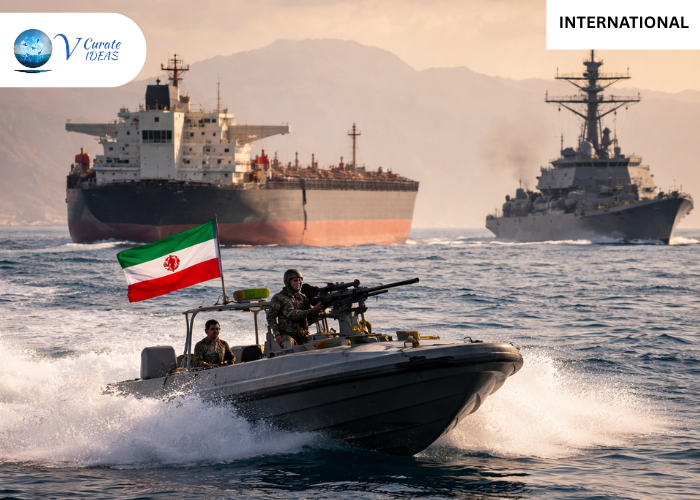
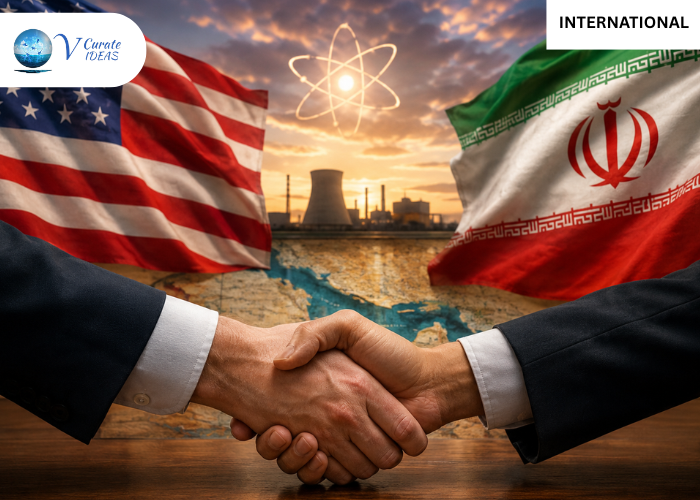
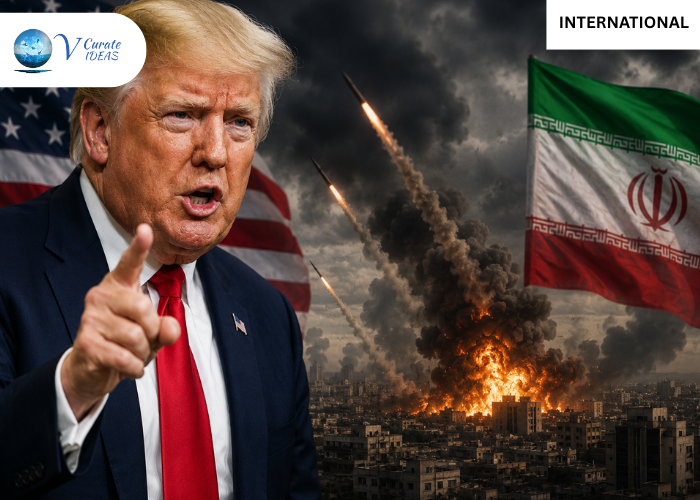
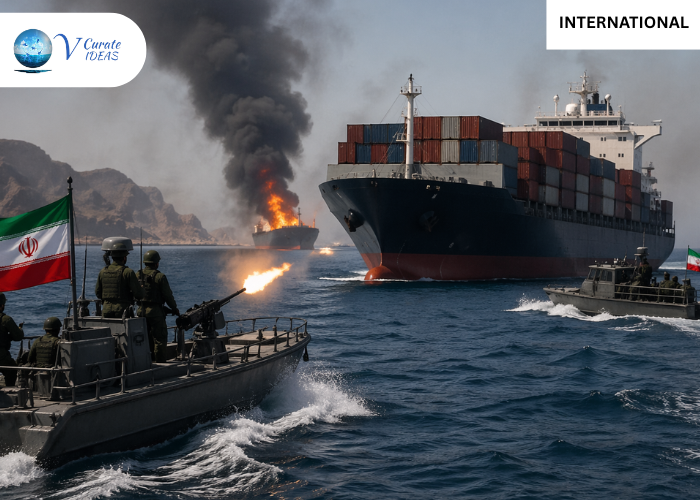
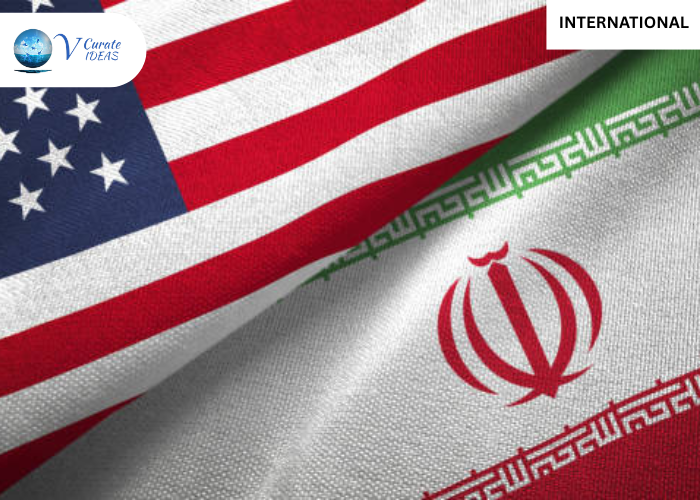
Tensions are rising around the Strait of Hormuz as conflicting statements from the United States and Iran create uncertainty over global shipping and energy markets. Iran’s parliament speaker Mohammad Bagher Ghalibaf warned that the strait “will not remain open” if the United States continues its naval blockade of Iranian ports. His statement signals a possible escalation despite an ongoing ceasefire and highlights the growing pressure between the two sides.
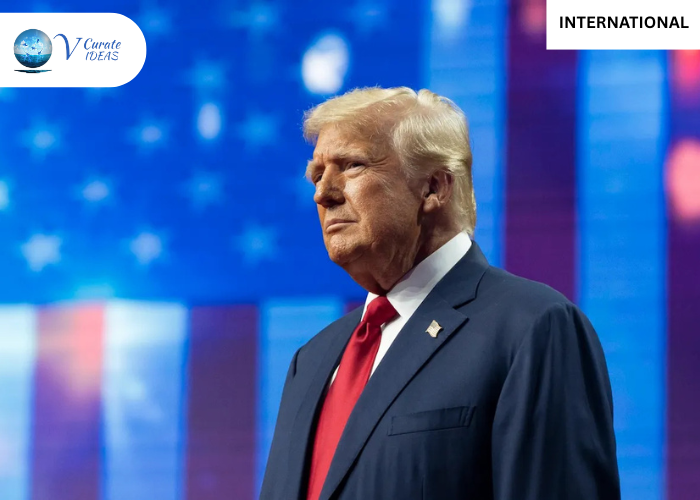
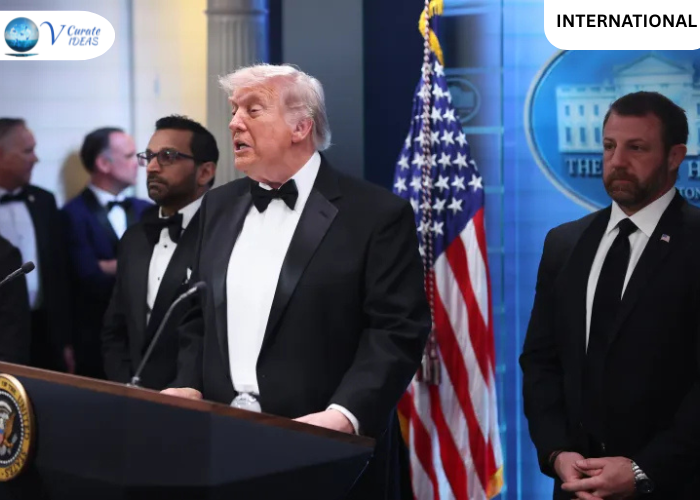
US President Donald Trump has taken a more optimistic stance, saying the waterway is open and that negotiations with Iran are progressing. However, he confirmed that the blockade will remain in place until a final agreement is reached. Trump has also claimed that Iran has agreed to major terms, including the removal of enriched uranium from the country, but Iranian officials have firmly denied this.
Iran’s foreign minister Abbas Araghchi earlier said the strait would remain completely open for commercial vessels during the ceasefire period. Despite this, shipping activity remains limited. Tracking data shows that very few vessels have actually passed through the route, as many companies remain cautious due to security concerns and unclear conditions on the ground. The US blockade, which began in mid April, has already forced multiple ships to turn back, according to US Central Command. This has caused delays in trade and created a backlog of vessels in nearby waters. Iran has also introduced controlled routes for ships, warning that those who do not follow them could face risks.
Diplomatic tensions remain unresolved. While Trump continues to present the talks as close to success, Iranian officials insist that key differences still exist, especially regarding sanctions and nuclear policy. Tehran has rejected any suggestion that it will transfer enriched uranium abroad. International concern is growing as global powers monitor the situation. Leaders including Emmanuel Macron and Keir Starmer have discussed a joint effort to protect shipping in the strait and ensure safe passage for commercial vessels.
The situation has already affected global markets. Oil prices dropped after Iran signaled the strait would remain open, but analysts warn that uncertainty could continue to impact prices and economic stability. The Strait of Hormuz remains one of the most important trade routes in the world, carrying a large share of global oil supply. Any disruption could have serious global consequences. With negotiations expected to continue in the coming days, the situation remains uncertain. The outcome will determine whether tensions ease through diplomacy or move toward further escalation.

Why quality sleep is becoming the ultimate productivity trend

Build skills that keep your career ahead in an AI driven world

The Rise of Self-Care: A Blessing or a Curse? The Line Between Self-Care and Self-Absorption

Modern travel is becoming more about social media validation, aesthetic content, and posting moments than truly living them.

YouTube is more competitive than ever, but small creators can still grow with strategy, consistency, and niche content.

Smoking and vaping debate exploring health risks, personal freedom, addiction concerns, and whether a full ban is justified.
© Copyright 2019 - 2026, All Rights Reserved