Sleep Reset Culture
Why quality sleep is becoming the ultimate productivity trend

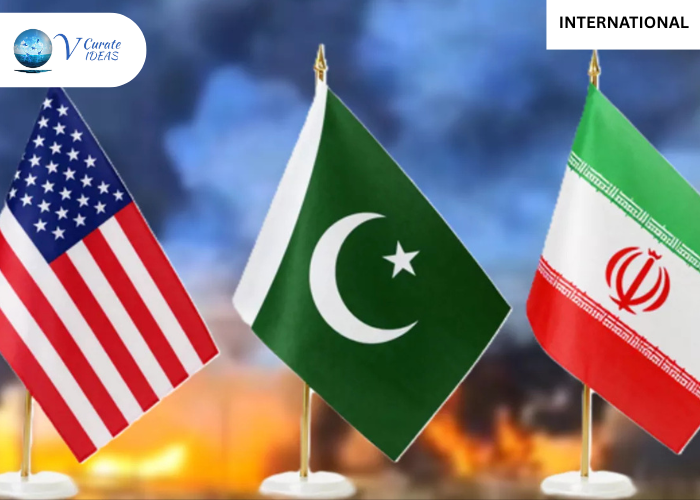
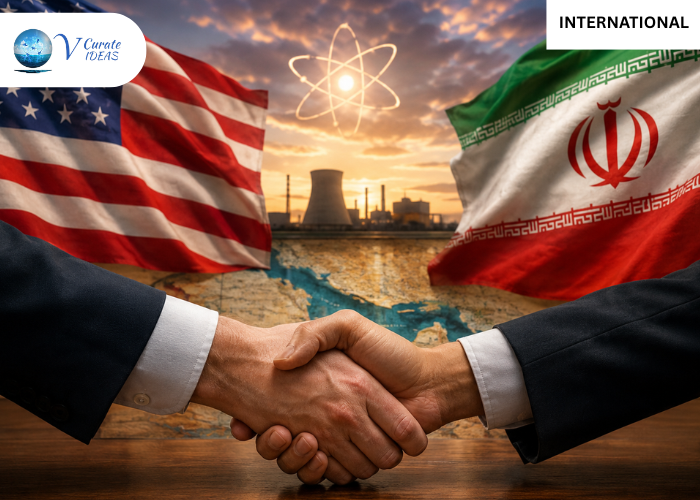
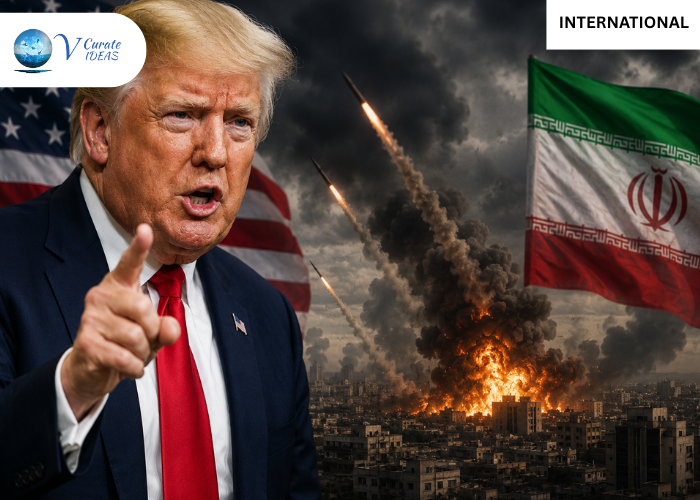
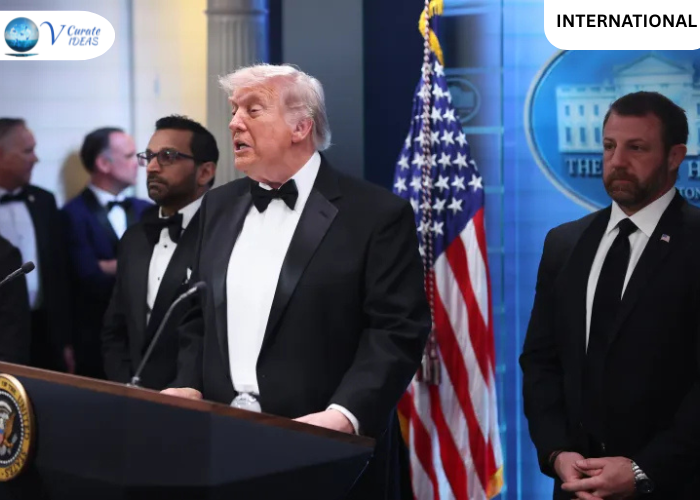
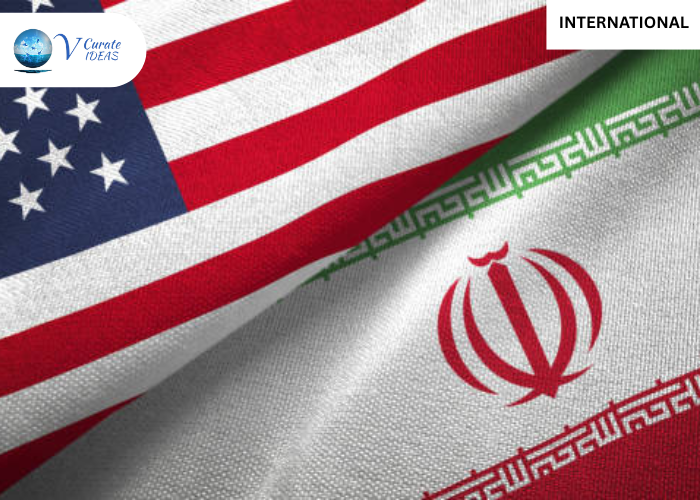
Pakistan is hosting what are being described as critical negotiations between the United States and Iran, with the outcome expected to shape the future of the Middle East conflict as well as global energy stability and geopolitical dynamics. The talks in Islamabad come shortly after Pakistan helped broker a two week ceasefire following weeks of intense conflict involving multiple regional and international actors. Security across the capital has been significantly increased, with key government and diplomatic areas sealed off and heavily guarded. Officials say discussions may continue for several days, but stress that the meeting is still not fully finalised.
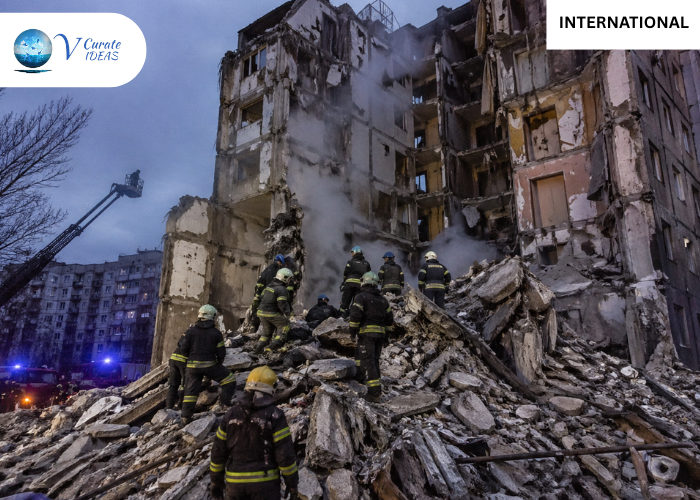
Despite the diplomatic progress, the ceasefire remains under serious strain. The most pressing challenge comes from Lebanon, where fighting between Israeli forces and Hezbollah continues. Iran maintains that Lebanon is included in the ceasefire arrangement, while the United States and Israel reject that position. This disagreement has created a major obstacle to progress in the talks. Recent air strikes in Lebanon have caused significant casualties and raised fears that the situation could spiral further. Lebanese officials have stated they will only enter direct negotiations with Israel if a full ceasefire is implemented beforehand, adding another layer of complexity to the situation.
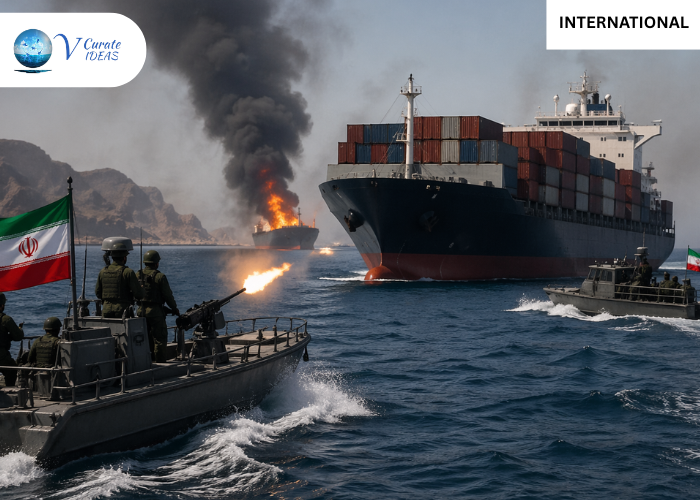
At the same time, tensions remain high around the Strait of Hormuz, a vital global oil route through which a significant portion of the world’s energy supplies pass. Although there has been an agreement in principle to allow safe passage, actual shipping activity remains far below normal levels. Many vessels are still stranded, and uncertainty continues to affect global markets. Oil prices have risen sharply amid fears of supply disruptions, with countries around the world closely monitoring developments. Concerns have also been raised about possible restrictions or additional conditions on ships passing through the strait, further complicating efforts to stabilise the situation.
Pakistan is now playing a delicate diplomatic role, engaging with global powers while also maintaining communication with regional stakeholders. Its efforts to bring opposing sides together have been widely noted, but the challenges remain significant. Key issues under discussion include extending the ceasefire, clarifying its scope, ensuring safe maritime movement, and addressing broader security concerns. Differences between the parties remain substantial, particularly on military and strategic matters.
The coming days are expected to be decisive. Continued violence, especially in Lebanon, along with disagreements over the terms of the ceasefire, could still derail the process. Pakistan’s mediation efforts are therefore seen as crucial in determining whether the current pause in fighting can lead to a longer term resolution or whether tensions will escalate once again.

Why quality sleep is becoming the ultimate productivity trend

Build skills that keep your career ahead in an AI driven world

The Rise of Self-Care: A Blessing or a Curse? The Line Between Self-Care and Self-Absorption

Modern travel is becoming more about social media validation, aesthetic content, and posting moments than truly living them.

YouTube is more competitive than ever, but small creators can still grow with strategy, consistency, and niche content.

Smoking and vaping debate exploring health risks, personal freedom, addiction concerns, and whether a full ban is justified.
© Copyright 2019 - 2026, All Rights Reserved