Sleep Reset Culture
Why quality sleep is becoming the ultimate productivity trend

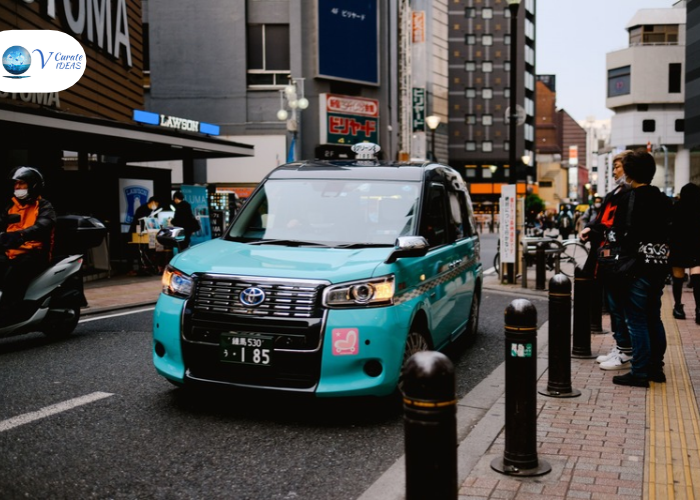
Self-driving technology is moving into a new phase as autonomous vehicle companies explore opportunities in additional markets. Waymo, the autonomous driving company associated with Alphabet, is preparing to bring its robotaxi operations to Canada, according to an October 2026 report by TechCrunch.
The development highlights the growing interest in transportation services that use advanced sensors, computing systems, and artificial intelligence to navigate roads with limited or no direct human driving.
For Canadian cities, the prospect raises a practical question: how could driverless ride services fit into existing transportation networks?
Robotaxis use a combination of cameras, radar, lidar where equipped, mapping systems, and AI-powered software to interpret their surroundings. These systems must identify other vehicles, pedestrians, cyclists, traffic signals, and changing road conditions.
Unlike conventional ride-hailing services, autonomous vehicles are designed to perform the driving task themselves within their approved operating conditions.
Supporters argue that the technology could improve convenience and create new transportation options. However, its effectiveness depends on reliable performance, appropriate operating areas, and clear safety procedures.
Expanding into Canada means accounting for local traffic patterns, road infrastructure, weather, and regulatory requirements.
Snow, ice, reduced visibility, and changing seasonal conditions can make driving more difficult. Autonomous systems must be tested and validated for the environments in which they operate rather than assuming that performance in one city automatically transfers to another.
Provincial transportation rules, municipal requirements, and public expectations will also influence how such services develop.
If autonomous ride services become widely available, passengers could gain another option for getting around cities. The technology may also influence how transportation companies manage fleets and how urban planners think about curb space, congestion, and connections to public transit.
The benefits are not guaranteed. Pricing, service coverage, accessibility, traffic impacts, and public trust will all influence adoption.
Questions about liability and the handling of vehicle data will remain important as well.
Waymo's Canadian ambitions represent a development worth following, but expansion plans should not be confused with a fully operational public service in every Canadian city.
The next milestones will include regulatory approvals, local testing, operating conditions, and any announcement of a public launch.
For now, the story illustrates a broader trend: autonomous driving is becoming an increasingly important part of the competition to shape the future of transportation.

Why quality sleep is becoming the ultimate productivity trend

Build skills that keep your career ahead in an AI driven world

The Rise of Self-Care: A Blessing or a Curse? The Line Between Self-Care and Self-Absorption

Modern travel is becoming more about social media validation, aesthetic content, and posting moments than truly living them.

YouTube is more competitive than ever, but small creators can still grow with strategy, consistency, and niche content.

Smoking and vaping debate exploring health risks, personal freedom, addiction concerns, and whether a full ban is justified.
© Copyright 2019 - 2026, All Rights Reserved