Sleep Reset Culture
Why quality sleep is becoming the ultimate productivity trend

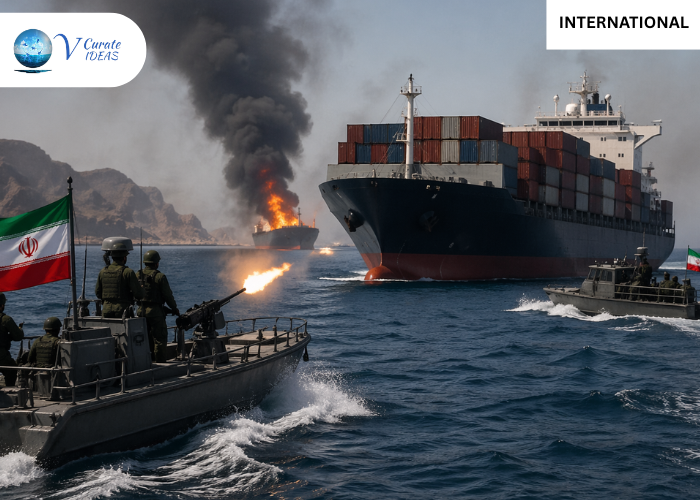
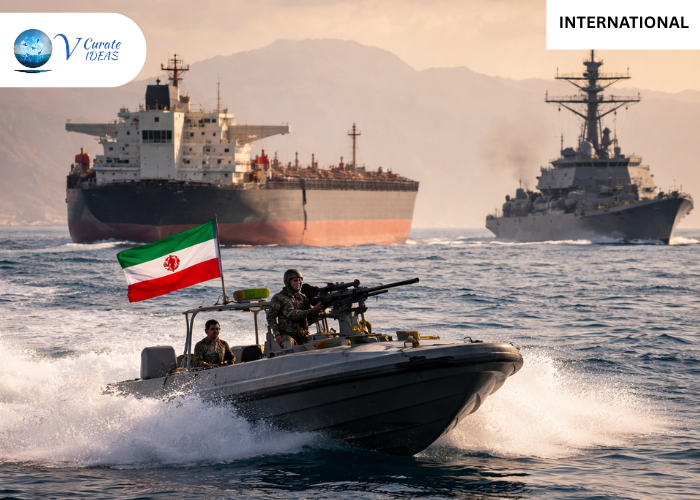
Iran says its forces have seized two cargo vessels and fired on a third in the Strait of Hormuz, a strategic shipping route through which a large share of global oil passes, sharply escalating already fragile US Iran tensions and raising fears of wider disruption to international trade and energy supplies.
According to Iranian media reports and maritime monitoring agencies, the Islamic Revolutionary Guard Corps (IRGC) carried out coordinated actions against three commercial ships on Wednesday. The vessels were targeted while transiting one of the world’s most sensitive maritime chokepoints, located between Iran, Oman and the United Arab Emirates.
The Strait of Hormuz crisis unfolded as gunfire was reported from an IRGC naval unit against a Greek owned container ship, identified as Epaminondas, approximately 15 nautical miles northeast of Oman. Maritime authorities said the vessel suffered heavy damage to its bridge following the attack. Iranian affiliated sources later claimed the ship had ignored warnings before being engaged.
A second vessel, the Panama flagged Euphoria, operated by a United Arab Emirates based company, was also targeted around eight nautical miles west of Iran. Reports indicated that the crew remained safe and the ship did not sustain serious damage, although it was forced to halt in the water.
A third ship, the MSC Francesca, was struck while attempting to exit the Strait of Hormuz into the Gulf of Oman. Maritime intelligence sources said the vessel reported hull and accommodation damage after being instructed to drop anchor by Iranian forces. Iranian media claimed both the MSC Francesca and Epaminondas were seized and redirected toward Iranian waters on suspicion of operating without proper authorization and allegedly interfering with navigation systems.
The IRGC Navy said the seized vessels would be escorted to the Iranian coast for further inspection.
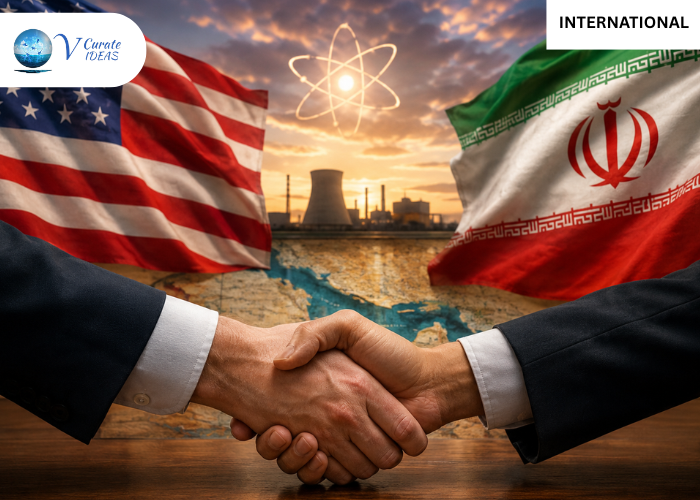
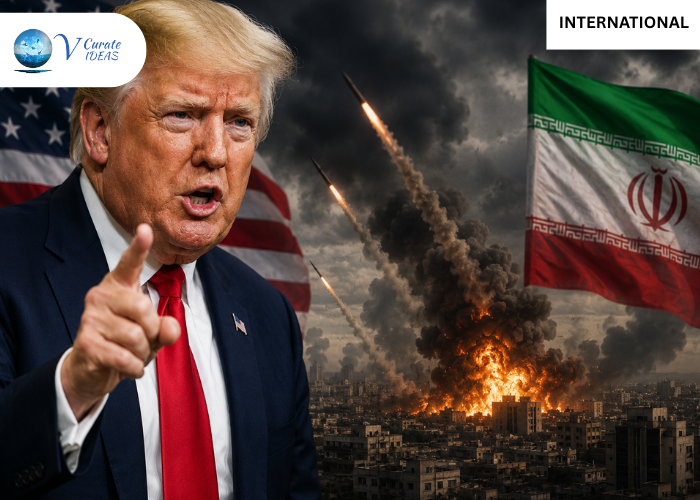
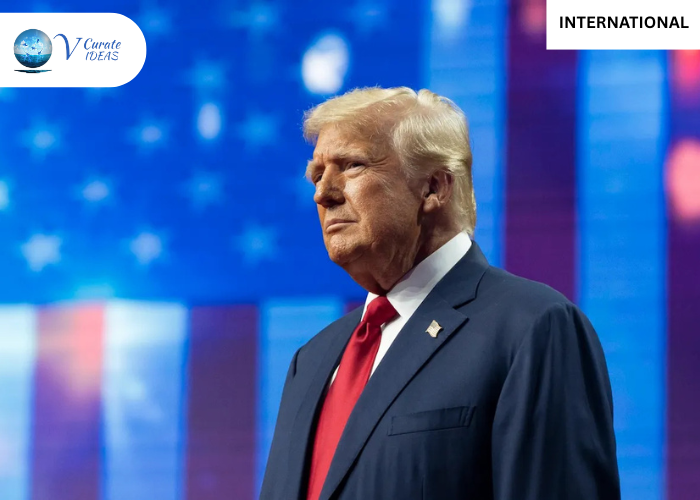
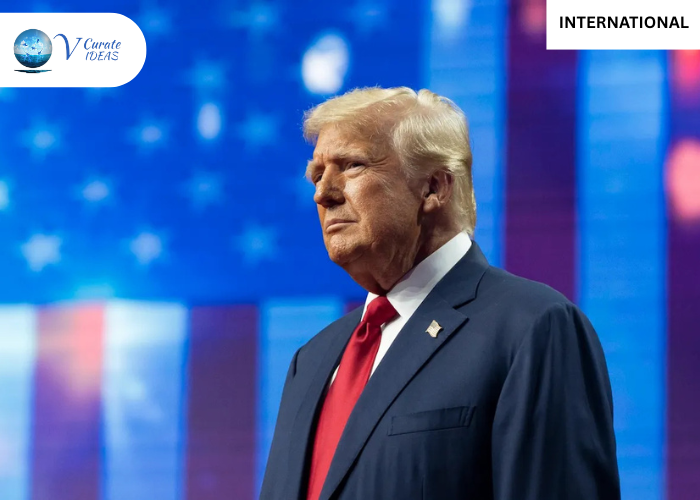
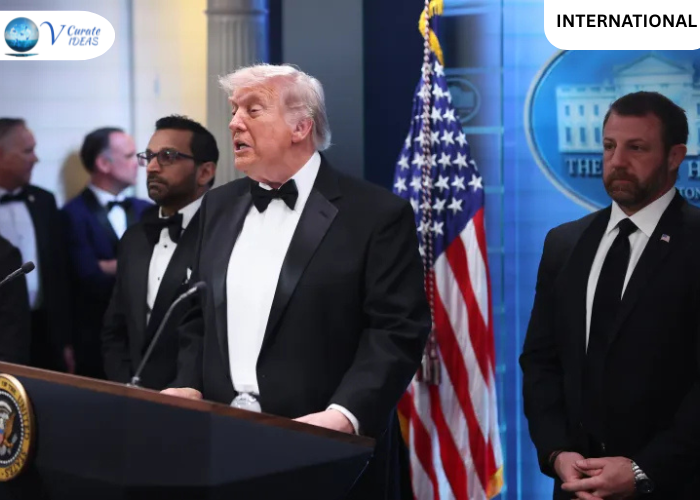
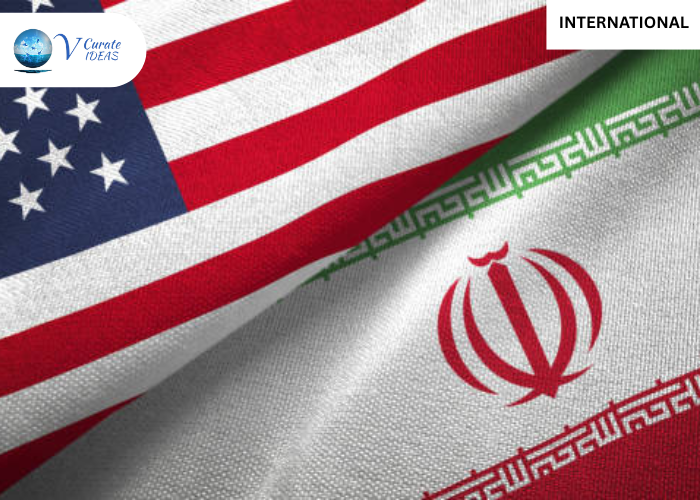
The incidents come at a moment of heightened geopolitical tension between Washington and Tehran. US President Donald Trump has maintained a naval blockade on Iranian ports, which he says is intended to pressure Iran into negotiations over its nuclear and regional activities. Trump also stated that the blockade is costing Iran hundreds of millions of dollars daily and insisted it would remain in place until a deal is reached.
The White House recently announced an extension of a fragile US Iran ceasefire, although uncertainty remains over whether formal peace talks will proceed. Plans for US Vice President JD Vance to travel to Pakistan for negotiations were reportedly cancelled amid the escalating maritime crisis and lack of confirmed Iranian participation.
Iranian officials have strongly rejected US pressure tactics. An adviser to Iran’s parliamentary speaker said the ceasefire extension “means nothing” and accused Washington of using it as a cover for potential military escalation. Tehran has also described the US naval blockade as an act of aggression and warned it would respond if its strategic interests in the Strait of Hormuz are challenged.
Security analysts warn that the situation has severely reduced commercial traffic through the Strait of Hormuz, with shipping companies increasingly avoiding the route due to risks of interception or attack. The strait is considered one of the most critical energy corridors in the world, handling a significant portion of global crude oil exports.
Experts say prolonged instability could have far reaching consequences for global energy markets, with early signs already showing volatility in oil prices and rising inflation pressures in several economies.
Analysts have compared the current escalation to past Gulf crises, noting that the combination of naval confrontations, political deadlock and disrupted trade routes is creating one of the most dangerous maritime standoffs in decades.
As tensions continue to rise, the Strait of Hormuz remains at the center of a rapidly developing confrontation between Iran, the United States and regional powers, with fears growing that further incidents at sea could trigger a broader regional conflict.

Why quality sleep is becoming the ultimate productivity trend

Build skills that keep your career ahead in an AI driven world

The Rise of Self-Care: A Blessing or a Curse? The Line Between Self-Care and Self-Absorption

Modern travel is becoming more about social media validation, aesthetic content, and posting moments than truly living them.

YouTube is more competitive than ever, but small creators can still grow with strategy, consistency, and niche content.

Smoking and vaping debate exploring health risks, personal freedom, addiction concerns, and whether a full ban is justified.
© Copyright 2019 - 2026, All Rights Reserved