Why Personal Style Is Winning Over Fast Fashion Trends Today
Discover why personal style is replacing fast fashion as the new trend for confident everyday choices

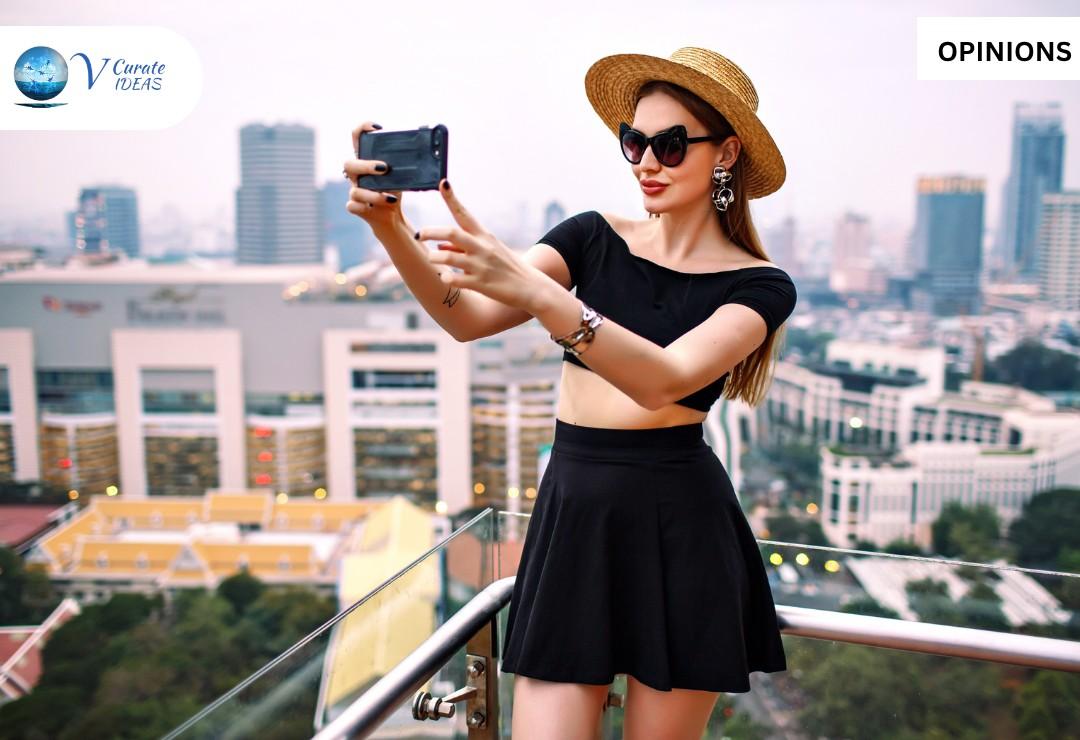
There was a time when travel meant true escape. People travelled to breathe differently, experience new cultures, eat unfamiliar food, and create real memories that stayed in their minds forever. Now, in the era of social media travel culture, sometimes it feels like a trip does not officially happen until it is uploaded online. Somewhere between airport selfies, aesthetic café photos, luxury resort videos, and perfectly curated “photo dump” captions, many people have started treating modern travel less like an experience and more like content creation.
Would You Travel Just for One Bite?
I noticed this during a short beach trip with friends last year. We visited a beautiful coastline known for its peaceful atmosphere, relaxing weather, and unforgettable sunsets. The strange part was that almost nobody was actually watching the sunset itself. People were adjusting camera angles, recording slow-motion walking clips for Instagram Reels, changing outfits for TikTok content, and checking how their photos looked every few minutes. Even during dinner, phones stayed on the table because everyone wanted the perfect food picture before eating. That moment made me wonder something uncomfortable: are we still travelling for ourselves, or are we travelling for online validation and digital attention?
The rise of Instagram travel trends, TikTok destination videos, and Pinterest travel aesthetics has completely changed the meaning of travel for younger generations. Suddenly, everyone wants to visit the same cafés in Paris, the same hidden beaches in Bali, or the same photogenic streets in Tokyo because they saw them go viral online. Travel today is deeply connected to social status, aesthetics, personal branding, and digital identity. Many travellers now choose destinations based on how “Instagrammable” they are instead of how meaningful the experience might actually feel emotionally.
The pressure is real, especially for Gen Z travellers and content creators. If someone spends money on a vacation, there is almost an expectation to document every second of it. A modern vacation often comes with unofficial responsibilities: take photos, post stories, upload travel vlogs, edit videos, and constantly update followers. Instead of relaxing mentally, people become part-time travel influencers without even realizing it. Even peaceful moments now feel interrupted by the pressure to capture “content.”
What makes this conversation more important is that social media itself is not necessarily the enemy. Sharing memories is natural. Humans have always wanted to document experiences, whether through journals, cameras, or photographs. The real issue begins when the camera becomes more important than the actual moment. Sometimes people are so focused on creating the perfect travel content that they forget to emotionally experience the place they travelled so far to see.
I remember watching a couple argue in Italy because one person wanted to simply walk around and enjoy the city naturally while the other wanted to keep filming content for social media. That moment perfectly represented the reality of travel anxiety in the digital age. Travel today can feel performative. People are no longer just tourists. They are photographers, editors, storytellers, influencers, and personal brand managers all at once.
Why Some Travel Experiences Go Viral
Another major reason this topic matters is because of the growing influence of travel influencers, luxury lifestyle creators, and viral destination content. Online, travel looks flawless. Beautiful hotels, expensive brunches, beach sunsets, designer outfits, and cinematic drone shots create unrealistic expectations about what travel should look like. What viewers rarely see are delayed flights, exhaustion, stress, budgeting struggles, loneliness, or disappointment. Social media often sells the fantasy of travel instead of the reality of it.
This has created a strange cycle where many people chase destinations mainly because they want the lifestyle attached to them online. In many cases, travellers are not even asking themselves whether they genuinely want to visit a place. They simply want to participate in a trend that is currently popular on social media.
Ironically, the obsession with documenting everything may actually be making travel less memorable. Some of the best travel experiences happen unexpectedly and quietly. A random conversation with a local taxi driver. Getting lost in a small market street. Watching rain from a train window. Eating street food in silence. Sitting alone somewhere unfamiliar yet peaceful. These moments rarely go viral online, but they often become the memories people remember forever.
I honestly believe people still deeply love travelling, discovering new places, and exploring the world. The excitement of adventure will never disappear. But modern social media culture has definitely changed the purpose behind travel for many people. Travel has become tied to internet validation, comparison culture, and digital identity in ways previous generations never experienced.
Maybe the real luxury in 2026 is not travelling more. Maybe the real luxury is being able to travel freely, enjoy the present moment, disconnect from social media pressure, and experience the world without feeling the need to prove it to the internet every five minutes.

Discover why personal style is replacing fast fashion as the new trend for confident everyday choices

Explore subscription fatigue streaming apps costs and how digital habits are shifting online today

Elon Musk is famous for being an environmental entrepreneur and businessman. Let's take a survey to know why is he so famous :)

This survey is aimed at knowing the way social media is affecting our youth in both positive and negative ways.
Gen Z fashion increasingly seems less interested in looking expensive
Gen Z talks about money more openly than previous generations.
© Copyright 2019 - 2026, All Rights Reserved