Why Personal Style Is Winning Over Fast Fashion Trends Today
Discover why personal style is replacing fast fashion as the new trend for confident everyday choices

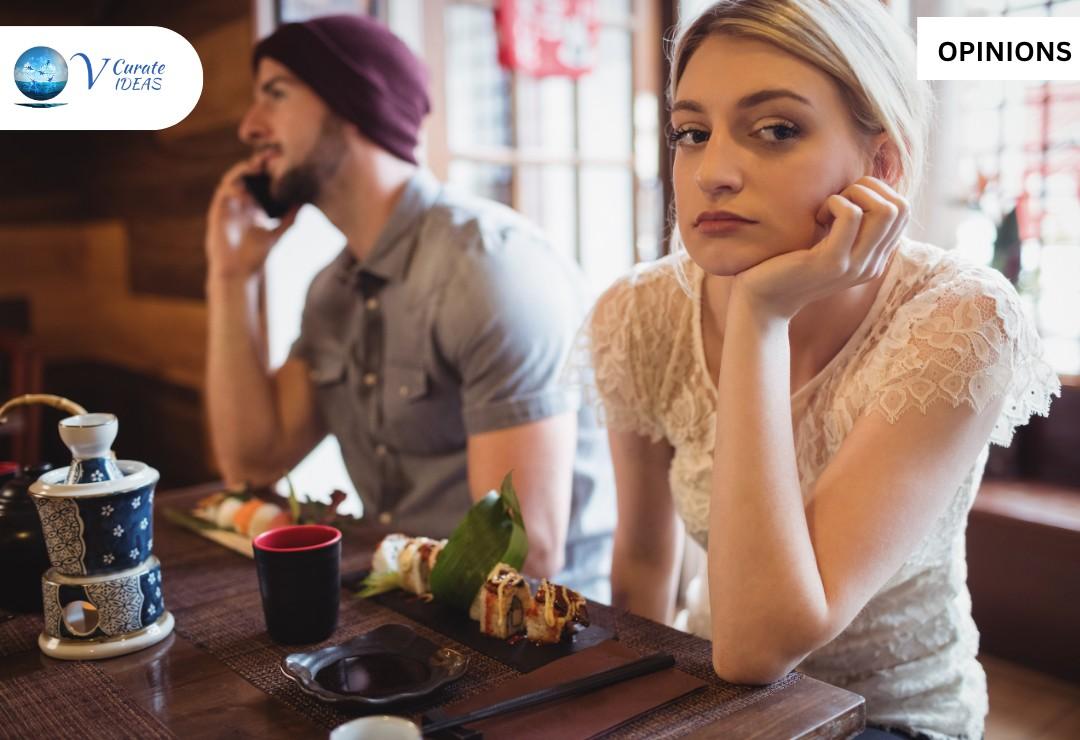
I’ve often wondered how something designed to bring people closer has, in many ways, made connections feel more distant. Dating apps have undeniably transformed the way we meet people. With just a few swipes, you can connect with someone who shares your interests, lives nearby, and is also looking for a relationship. It’s efficient, convenient, and, at first glance, incredibly exciting. But beneath that ease lies a growing question: have these platforms made relationships less meaningful?
There’s no denying that online dating has broken down barriers. In the past, meeting someone required social circles, chance encounters, or introductions through friends. Now, anyone can access a wide pool of potential partners instantly. This has made dating more inclusive and accessible, especially for people who might struggle with traditional social settings. For many, it has opened doors that would have otherwise remained closed.
However, this convenience comes at a cost. The very nature of swipe culture encourages quick judgments based on appearance and short bios. When choices feel endless, people can start to see others as options rather than individuals. I’ve noticed that conversations often begin with excitement but fade just as quickly. It becomes easy to move on to the next match instead of investing time and effort into understanding someone deeply.
One of the most common experiences in modern dating is ghosting. You might be talking to someone regularly, sharing thoughts and building a connection, and then suddenly nothing. No explanation, no closure. This behavior reflects how disposable interactions can feel on dating platforms. When there are countless other profiles waiting, it’s easier to disappear than to communicate honestly.
Another issue is the illusion of choice. While having options can be empowering, too many choices can lead to dissatisfaction. People begin to think there might always be someone better just one swipe away. This mindset can prevent individuals from fully committing or appreciating the person in front of them. Relationships require patience, compromise, and emotional investment qualities that don’t align well with the fast-paced nature of modern dating apps.
I’ve also seen how dating apps can affect self-worth. Matches, likes, and replies can start to feel like validation. When those don’t come, it can lead to self-doubt. Instead of focusing on genuine compatibility, people may begin to chase attention, which shifts the purpose of dating from connection to approval.
That said, it wouldn’t be fair to say that meaningful relationships can’t come from dating apps. Many couples have built strong, lasting partnerships after meeting online. The difference often lies in how individuals use these platforms. Those who approach digital relationships with intention, honesty, and patience are more likely to find something real.
For example, a friend of mine met her partner through a dating app. Instead of rushing or juggling multiple conversations, they chose to focus on getting to know each other slowly. They communicated clearly, set boundaries, and prioritized real-life meetings over endless texting. Today, they share a stable and meaningful relationship. Their story shows that while the platform may be fast-paced, the approach doesn’t have to be.
In my opinion, dating apps have made relationships easier to start but harder to sustain in a meaningful way. The ease of access, endless options, and casual attitudes toward communication can weaken emotional depth. At the same time, they offer opportunities that didn’t exist before. It ultimately depends on whether people are willing to slow down, be intentional, and treat others as more than just profiles on a screen.
In the end, technology shapes behavior but it doesn’t define it. If we want more meaningful relationships in the age of online dating, we have to be more mindful about how we connect, communicate, and commit.

Discover why personal style is replacing fast fashion as the new trend for confident everyday choices

Explore subscription fatigue streaming apps costs and how digital habits are shifting online today

Elon Musk is famous for being an environmental entrepreneur and businessman. Let's take a survey to know why is he so famous :)

This survey is aimed at knowing the way social media is affecting our youth in both positive and negative ways.

The strongest careers may belong to people who can combine these skills rather than rely on just one.

Your view on AI side hustles
© Copyright 2019 - 2026, All Rights Reserved