Are We Living Through the Last Human Internet?
As AI content grows rapidly online, this essay explores whether we are witnessing the final era of a fully human-created internet.


In today’s world, loneliness in a digital age is not caused by absence of people but by the illusion of constant presence. We are always connected, always reachable, and yet increasingly disconnected from meaningful emotional grounding. The irony is that social media loneliness often grows in spaces designed to bring people together. A message seen but not replied to, a story watched but not acknowledged, or a feed full of curated happiness can quietly deepen the sense of isolation rather than reduce it.
What makes digital loneliness among Gen Z especially complex is that it does not always look like loneliness. It often appears as scrolling late at night, switching between apps, or staying engaged in conversations that feel surface level. The mind stays busy, but emotional fulfillment feels absent. Even in crowded group chats, there is often a quiet feeling of being emotionally unseen. This creates a new form of distance where people are surrounded by voices but still struggle with emotional disconnection in the digital world.
The expectation to always be available has also reshaped relationships. When replies are delayed, assumptions form. When responses are brief, meaning is often overanalyzed. This constant reading between the lines contributes to mental health and social media effects, where communication becomes more about interpretation than genuine understanding. Over time, it becomes easier to perform connection rather than experience it.
At the same time, digital spaces are not purely isolating. They can offer support, communities, and shared understanding that physical environments sometimes lack. Yet even in these spaces, the feeling of belonging can be fragile. Many users find themselves asking whether they are truly part of a community or just passing through endless streams of content, which intensifies feeling alone while connected online.
The challenge today is not to reject technology but to redefine how connection is measured. Real connection may not always be visible in likes, replies, or views. It often exists in slower conversations, intentional presence, and relationships that extend beyond screens. In addressing Gen Z digital culture and loneliness, the focus shifts from constant interaction to meaningful interaction.
Ultimately, loneliness in modern society is less about being physically alone and more about feeling emotionally unanchored in a hyper connected environment. The goal is not to disconnect from the digital world, but to reconnect with the parts of ourselves that still need depth, silence, and sincerity to feel truly seen.
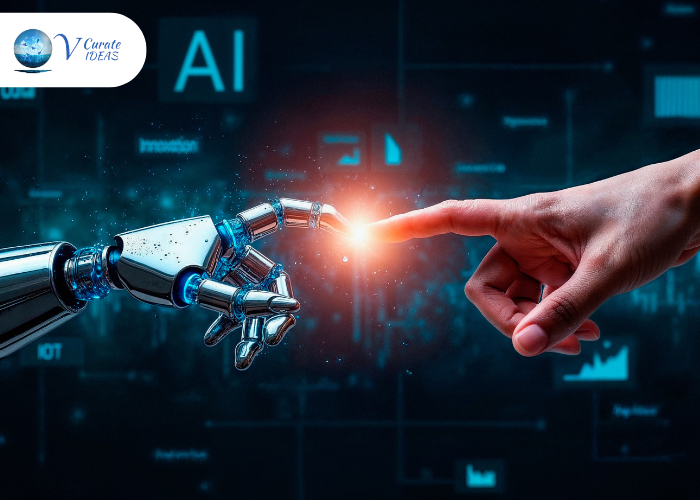
As AI content grows rapidly online, this essay explores whether we are witnessing the final era of a fully human-created internet.
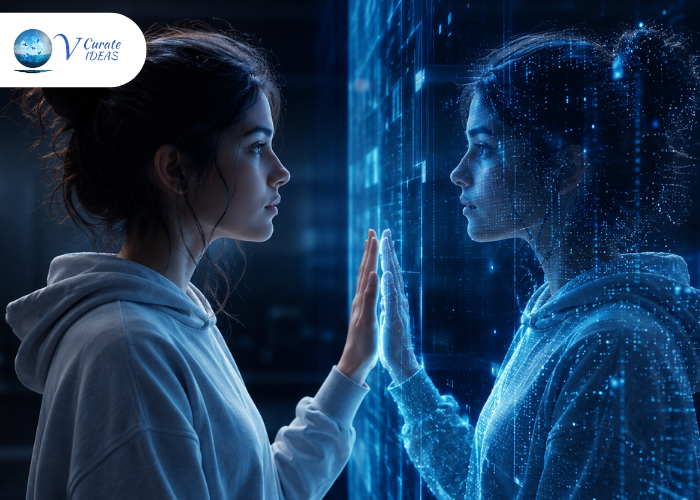
Exploring how AI digital clones mimic humans, reshape identity, and change future life, work, and communication.

Elon Musk is famous for being an environmental entrepreneur and businessman. Let's take a survey to know why is he so famous :)

This survey is aimed at knowing the way social media is affecting our youth in both positive and negative ways.

TikTok still drives trends, music, and viral moments, but is its influence fading as new platforms and digital habits emerge?
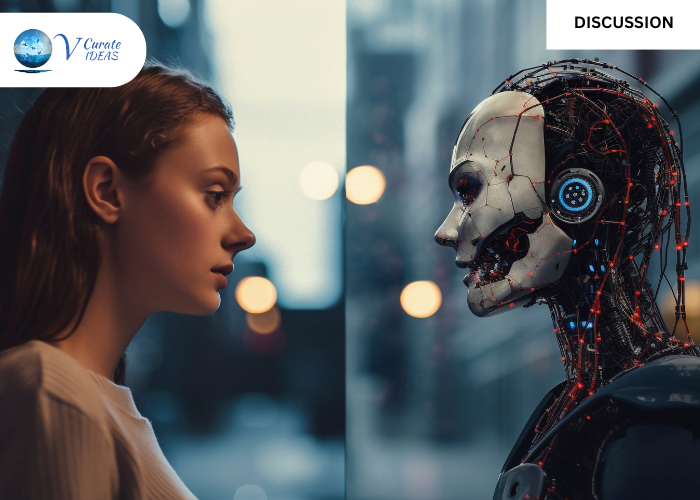
AI therapy is growing fast, but can a chatbot truly understand emotions, empathy, and mental health better than a human therapist?
© Copyright 2019 - 2026, All Rights Reserved