Sleep Reset Culture
Why quality sleep is becoming the ultimate productivity trend

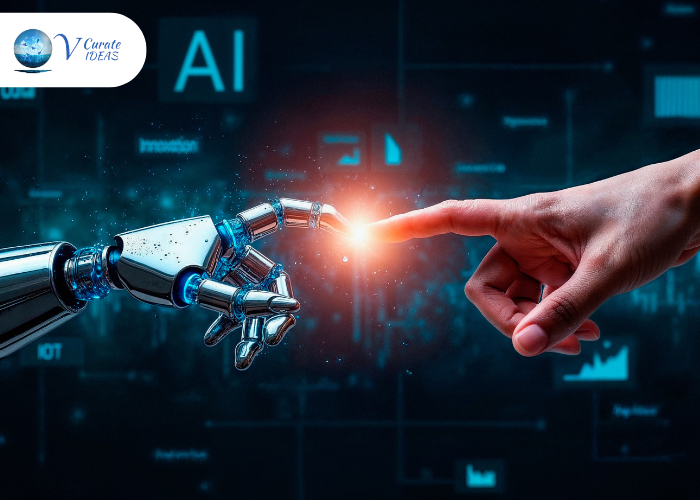
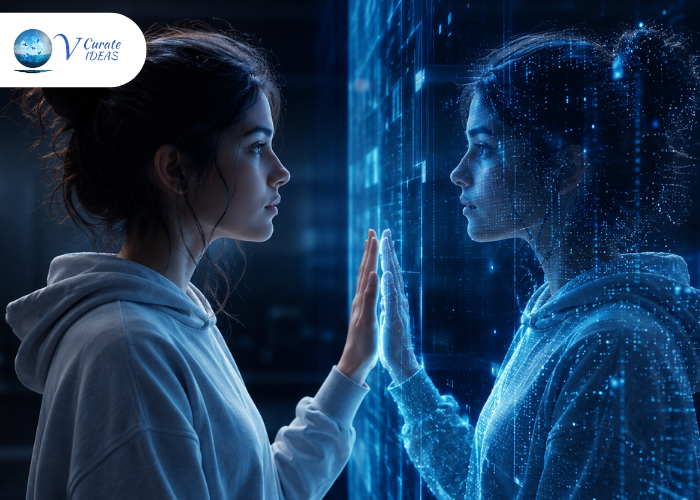
The internet was originally built as a place where humans connected with other humans. Every blog post, forum comment, social media update, video, meme, and online discussion came from a real person sharing ideas, experiences, and creativity. Today, however, the internet is entering a new era shaped by artificial intelligence, AI generated content, machine learning, and automated digital systems. As AI becomes capable of creating text, images, videos, music, and even conversations, an intriguing question emerges: are we living through the last human internet?
The rise of AI technology has dramatically changed how content is created online. Just a few years ago, producing articles, videos, graphics, and social media posts required significant human effort. Now, advanced AI tools can generate entire blog posts, create realistic artwork, write scripts, compose music, and produce highly convincing videos within minutes. This explosion of AI generated media is transforming the digital landscape faster than many experts predicted. Every day, millions of pieces of content are published online, and an increasing percentage of that content is created partially or entirely by artificial intelligence.
One of the most fascinating aspects of this transformation is the growth of synthetic content. Social media users now regularly interact with AI generated images, AI influencers, virtual personalities, and automated accounts without always realizing it. In some cases, these digital creations attract larger audiences than real people. The popularity of virtual influencers, digital avatars, and AI powered entertainment suggests that audiences are becoming more comfortable engaging with nonhuman creators. As this trend accelerates, the distinction between human generated content and machine generated content becomes increasingly difficult to identify.
The impact of AI content creation extends far beyond entertainment. Search engines, online news platforms, educational websites, and marketing campaigns are increasingly using AI to generate information at scale. While this improves efficiency and accessibility, it also raises concerns about authenticity. If a growing percentage of online information is produced by algorithms rather than human writers, readers may begin to question the origin and reliability of what they consume. The concept of a truly human internet becomes harder to define when algorithms are involved in nearly every stage of content production.
Another important factor is the rise of AI chatbots, virtual assistants, and conversational systems. Millions of people now interact with AI daily through customer service platforms, productivity tools, educational applications, and personal assistants. These systems are becoming increasingly sophisticated, capable of holding natural conversations and providing personalized responses. As people spend more time communicating with machines, the internet itself may gradually shift from a network centered on human interaction to one where human and artificial intelligence interactions coexist.
The growth of deepfakes, synthetic media, and AI generated videos adds another layer to the discussion. Modern AI can create realistic faces, voices, and video footage that appear authentic to many viewers. This technology has enormous creative potential but also presents challenges for trust and transparency. If digital content can be manufactured so convincingly that it becomes impossible to distinguish from reality, the internet may become a place where authenticity is no longer assumed but constantly questioned.
Despite these concerns, AI is not necessarily replacing humans. Many creators use AI as a collaborative tool rather than a substitute for creativity. Writers use AI for brainstorming, artists use it for inspiration, and developers use it to increase productivity. In this sense, the future internet may not be less human but differently human. Instead of replacing creativity, artificial intelligence tools may amplify human ideas and enable individuals to create things that were previously impossible.
However, the economic incentives driving AI automation cannot be ignored. Businesses often prioritize speed, efficiency, and scalability. AI generated content can be produced at a fraction of the cost and time required by human creators. As companies increasingly adopt automation, there is a possibility that human voices could become less visible within the vast sea of algorithmically generated content. This raises important questions about the future of creativity, employment, and digital culture.
Perhaps the most significant issue is the future of online authenticity. The internet has always been a reflection of human thoughts, emotions, experiences, and imagination. If artificial intelligence becomes responsible for generating a substantial portion of what we read, watch, and interact with, the nature of the internet itself may fundamentally change. Future generations might browse websites, watch videos, and engage in discussions without always knowing whether another human was involved in creating the content.
Ultimately, the question is not whether AI will become a larger part of the internet. That future is already here. The real question is whether humanity can maintain its voice, creativity, and authenticity within an increasingly automated digital world. The future of the internet, AI generated content, digital transformation, human creativity, online identity, and artificial intelligence will continue shaping how people communicate and connect. Whether this becomes the last human internet or simply the first hybrid internet remains one of the most important technological debates of our time.

Why quality sleep is becoming the ultimate productivity trend

Build skills that keep your career ahead in an AI driven world

Elon Musk is famous for being an environmental entrepreneur and businessman. Let's take a survey to know why is he so famous :)

This survey is aimed at knowing the way social media is affecting our youth in both positive and negative ways.

Gen Z fashion increasingly seems less interested in looking expensive

Gen Z talks about money more openly than previous generations.
© Copyright 2019 - 2026, All Rights Reserved