Sleep Reset Culture
Why quality sleep is becoming the ultimate productivity trend
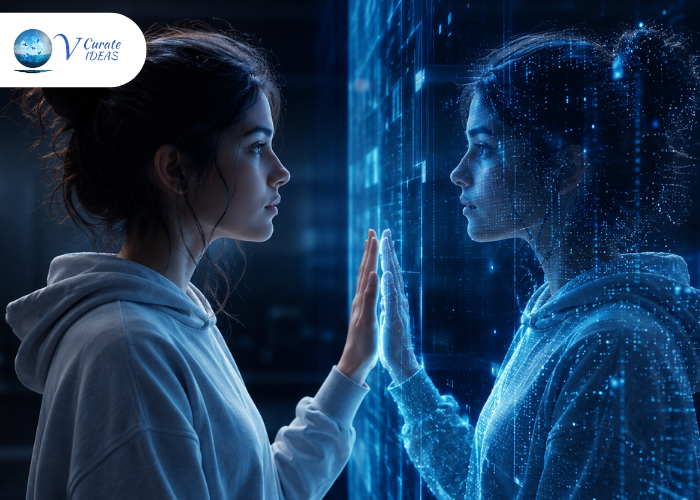
We are stepping into an era where the line between human identity and artificial intelligence is becoming increasingly blurred. One of the most powerful and controversial developments in modern technology is the rise of digital clones, which are AI-based versions of real people designed to imitate their voice, behavior, writing style, and decision-making patterns. This idea raises a major question in today’s tech-driven world: will everyone eventually have an AI version of themselves?
A digital clone is an advanced form of artificial intelligence system that learns from a person’s digital footprint. This includes messages, social media activity, voice recordings, and online behavior. By analyzing this data, the AI becomes capable of responding like the original person. In simple terms, it acts like a virtual human replica that can communicate and interact in a similar style to its creator. What once sounded like science fiction is now slowly turning into reality.
In today’s world, early versions of this technology are already visible. For example, voice cloning tools can recreate a person’s voice using just a few minutes of audio. Similarly, AI chat systems can now imitate writing tones and conversation styles. Many content creators on platforms like YouTube and TikTok use AI tools to generate scripts, captions, and replies in their own tone, making their online presence more efficient. Some influencers are even testing AI assistants that act as their digital versions, responding to fans even when they are offline.
A real-life example can be seen in customer service AI systems used by companies. These systems are trained to respond like human agents and improve their answers over time. Another example is AI learning platforms, where the system adapts explanations based on student behavior, almost acting like a personal tutor. These technologies show how AI is already starting to mirror human interaction in daily life.
The advantages of digital clones are impressive. They can save time, increase productivity, and reduce workload. A digital clone could manage emails, meetings, schedules, and communication tasks without human effort. In education, it could help students by explaining topics in a personalized way based on their learning style. In business, it could support professionals by handling routine tasks while they focus on creativity and decision making. This could lead to a future where humans have more time for meaningful work and personal growth.
However, the rise of digital clones also brings serious concerns. One of the biggest issues is privacy and identity security. If an AI can perfectly imitate a person, it becomes difficult to distinguish between real and fake communication. This opens the door to risks like impersonation, scams, and misinformation. The growing concern around deepfake technology already shows how realistic digital manipulation can be misused.
Another major issue is emotional dependency. As people begin interacting more with AI versions of humans, there is a risk that real human relationships may weaken. If a digital clone starts handling communication and social interaction, it may reduce genuine emotional connections between people. Over time, this could change how humans build relationships in both personal and professional life.
There is also a deeper philosophical question about human identity. If an AI can copy your thoughts, tone, and behavior, then what truly defines “you”? Are you still fully in control of your digital presence, or has a part of your identity been transferred into a machine? This question challenges the very meaning of individuality in the digital age.
In conclusion, digital clones represent one of the most revolutionary advancements in modern artificial intelligence. They have the potential to transform productivity, communication, and daily life in powerful ways. However, they also raise important ethical, emotional, and security challenges. While it is likely that many people will eventually have an AI version of themselves, the real challenge will be ensuring that this technology supports human life without replacing the essence of what it means to be truly human.

Why quality sleep is becoming the ultimate productivity trend

Build skills that keep your career ahead in an AI driven world

Elon Musk is famous for being an environmental entrepreneur and businessman. Let's take a survey to know why is he so famous :)

This survey is aimed at knowing the way social media is affecting our youth in both positive and negative ways.

Gen Z fashion increasingly seems less interested in looking expensive

Gen Z talks about money more openly than previous generations.
© Copyright 2019 - 2026, All Rights Reserved