Sleep Reset Culture
Why quality sleep is becoming the ultimate productivity trend

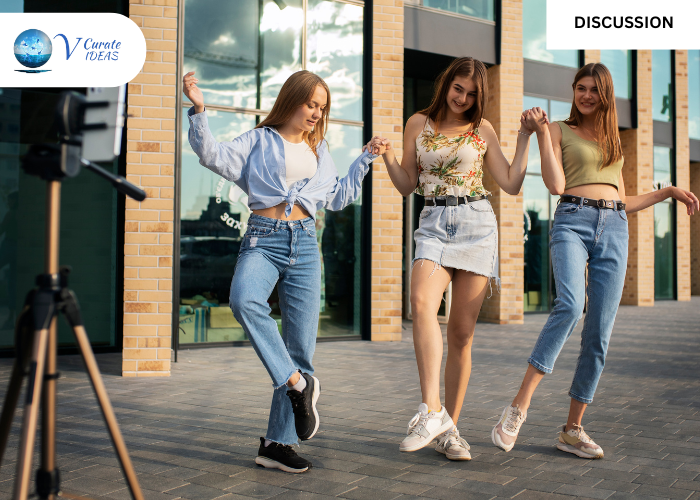
For the past several years, TikTok has been one of the most powerful forces in pop culture, influencing everything from music and fashion to slang, memes, entertainment, and even consumer behavior. A single viral video could turn an unknown song into a global hit, launch a creator's career overnight, or make a niche trend explode across the internet within hours.
But in 2026, some people are starting to wonder whether TikTok still holds the same cultural power it once did. With growing competition from other platforms, changing user habits, and increasing content fatigue, the question is becoming harder to answer. There is no denying that TikTok transformed the digital landscape. The platform revolutionized short form video content, changed how people discover music, and introduced a new generation of creators to global audiences. Many of today's biggest trends still originate on TikTok before spreading to other social media platforms.
Popular songs regularly gain millions of streams after going viral on TikTok. Fashion aesthetics often emerge from TikTok communities before appearing in mainstream retail stores. New slang terms, beauty trends, gaming moments, and entertainment discussions frequently gain momentum through the platform's algorithm.
Supporters argue that TikTok remains the most influential platform when it comes to shaping what people watch, listen to, and talk about online. The app's ability to quickly surface content from unknown creators gives trends a chance to emerge organically rather than being controlled solely by celebrities or major media companies. However, critics believe TikTok's influence may be weakening. One reason is the increasing similarity between platforms. Features that once made TikTok unique have been adopted by competitors through short video formats, making it harder for the platform to stand out.
Another concern is social media fatigue. Many users report feeling overwhelmed by endless scrolling, constant trends, and the pressure to keep up with rapidly changing online conversations. Some Gen Z users are spending more time in private communities, group chats, gaming platforms, and niche online spaces rather than participating in public viral trends. There is also the issue of trend saturation. What once felt fresh and exciting can sometimes feel repetitive. New aesthetics, challenges, and viral formats appear so frequently that trends often disappear within days. Some users argue that internet culture is becoming fragmented, with different communities following entirely different trends instead of sharing common cultural moments.
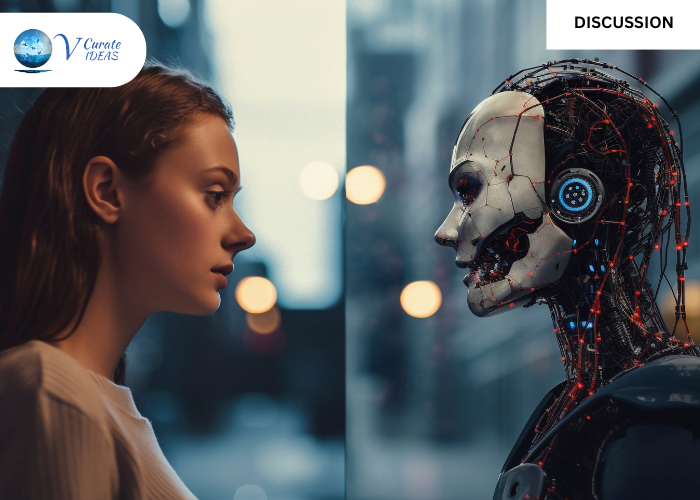
The rise of artificial intelligence content, virtual influencers, and AI-generated media is creating additional competition for attention. As digital entertainment becomes more personalized, it may become harder for any single platform to dominate popular culture in the way TikTok once did. At the same time, TikTok remains one of the most powerful discovery engines on the internet. Many people still use it to find new music, follow creators, discover products, learn skills, and stay informed about current trends. Even when conversations begin elsewhere, they often gain wider visibility once they reach TikTok.
Perhaps the bigger question is not whether TikTok is losing relevance, but whether pop culture itself is changing. Instead of one platform controlling trends, influence may now be spread across multiple apps, communities, creators, and algorithms. As internet culture continues to evolve, TikTok's role in shaping entertainment, music, fashion, and online behavior remains significant. Yet its dominance may no longer be as unquestioned as it once was.
Do you think TikTok is still the biggest force in pop culture, or are platforms like Instagram, YouTube, gaming communities, and AI-driven content starting to take its place? Why?

Why quality sleep is becoming the ultimate productivity trend

Build skills that keep your career ahead in an AI driven world
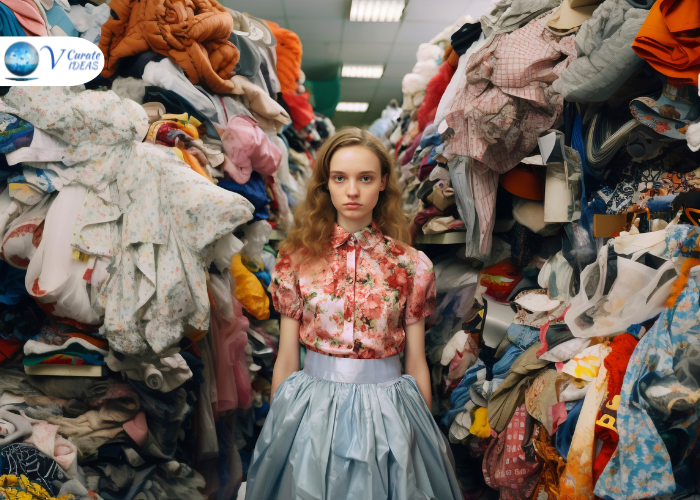
Discover why personal style is replacing fast fashion as the new trend for confident everyday choices

Explore subscription fatigue streaming apps costs and how digital habits are shifting online today

Elon Musk is famous for being an environmental entrepreneur and businessman. Let's take a survey to know why is he so famous :)

This survey is aimed at knowing the way social media is affecting our youth in both positive and negative ways.
© Copyright 2019 - 2026, All Rights Reserved

Participant Comments