Sleep Reset Culture
Why quality sleep is becoming the ultimate productivity trend

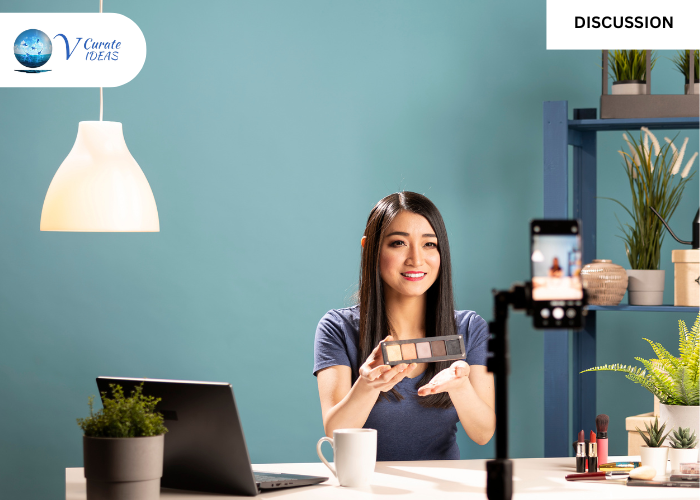
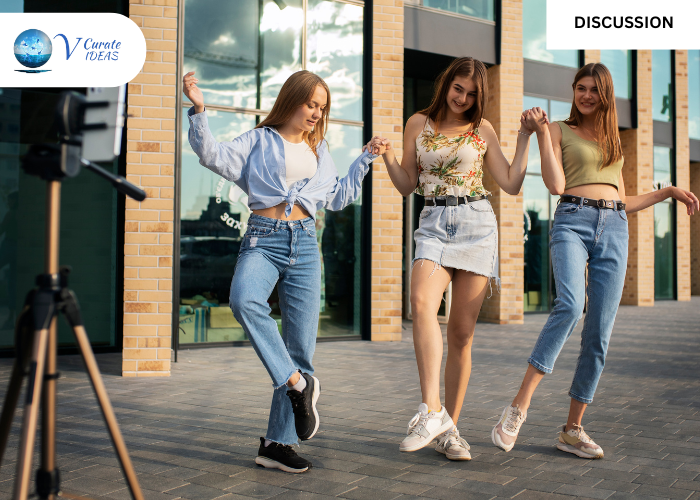
The rise of social media influencers has completely changed how people view success, lifestyle, and money online. Today, millions of users consume content on platforms like TikTok, Instagram, and YouTube, where creators share their daily lives, routines, travel experiences, and luxury moments. This has created a strong debate in the world of digital content creation and influencer marketing: are influencers really honest about their lives, or are they mostly selling a polished lifestyle fantasy?
The reality is that influencer culture exists at the intersection of entertainment and business. Many creators are not just sharing personal moments; they are building a personal brand. This means every post, video, or story is often designed to attract attention, grow followers, and eventually generate income through sponsorships, ads, and collaborations. Because of this, what audiences see is often a curated version of reality rather than the full picture.
In the world of the creator economy, attention is money. Influencers earn through brand deals, affiliate marketing, and platform monetization, which naturally encourages them to show the most appealing parts of their lives. This is where the idea of a lifestyle fantasy becomes important. Expensive trips, luxury outfits, perfect morning routines, and aesthetic homes are often highlighted, while struggles, failures, and ordinary moments are rarely shown. This creates an illusion that influencer life is always exciting, easy, and financially perfect.
However, not everything is fake. Many influencers do share real aspects of their lives, including mental health struggles, financial challenges, and personal growth journeys. The problem is that social media is built on selective storytelling, where only the most engaging content performs well. Algorithms on platforms like Instagram and TikTok push content that looks attractive, emotional, or entertaining, which pressures creators to present a more polished version of reality.
This leads to a blurred line between authentic content creation and performance. For example, a travel influencer may genuinely visit beautiful places, but the content is carefully planned, edited, and staged to look flawless. A fitness influencer may genuinely work out, but only show their best physical moments. This does not always mean dishonesty, but it does mean the audience is not seeing the full truth.
The impact of this influencer culture on audiences is significant. Many people, especially teenagers and young adults, start comparing their lives with what they see online. This can lead to comparison anxiety, unrealistic expectations about money, appearance, and success, and a constant feeling of not being “good enough.” At the same time, influencer content can also be inspiring, motivating people to improve their lifestyles, start businesses, or pursue fitness goals.
Another important factor is the role of brand sponsorships and influencer marketing. Companies pay influencers to promote products in a way that feels natural and trustworthy. This adds another layer to the content, where entertainment, personal life, and advertising mix together. Because of this, audiences sometimes struggle to identify what is genuine opinion and what is paid promotion.
Still, it would be unfair to say all influencers are fake. The influencer industry is diverse. Some creators focus on educational content, honesty, and transparency, while others prioritize aesthetics and entertainment. Many influencers also admit openly that their content is curated and not a full representation of their real life. This honesty is becoming more valued as audiences start demanding more authentic social media content.
In the end, influencer culture is not completely real or completely fake. It exists in a middle space where real experiences are shaped into engaging digital narratives. Influencers are both storytellers and marketers, and their content reflects both roles. The lifestyle shown online is often real but heavily edited, selected, and enhanced for audience appeal. As social media continues to grow, the question becomes more important. People are now learning to question what they see online and understand that viral lifestyle content is not the full story of anyone’s life.
Are social media influencers truly sharing their real lives, or are they mainly building a curated lifestyle fantasy designed for attention, engagement, and income?

Why quality sleep is becoming the ultimate productivity trend

Build skills that keep your career ahead in an AI driven world
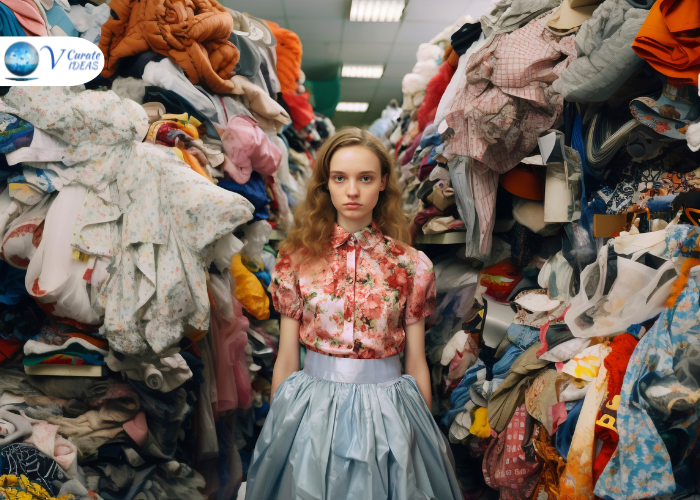
Discover why personal style is replacing fast fashion as the new trend for confident everyday choices

Explore subscription fatigue streaming apps costs and how digital habits are shifting online today

Elon Musk is famous for being an environmental entrepreneur and businessman. Let's take a survey to know why is he so famous :)

This survey is aimed at knowing the way social media is affecting our youth in both positive and negative ways.
© Copyright 2019 - 2026, All Rights Reserved
Participant Comments