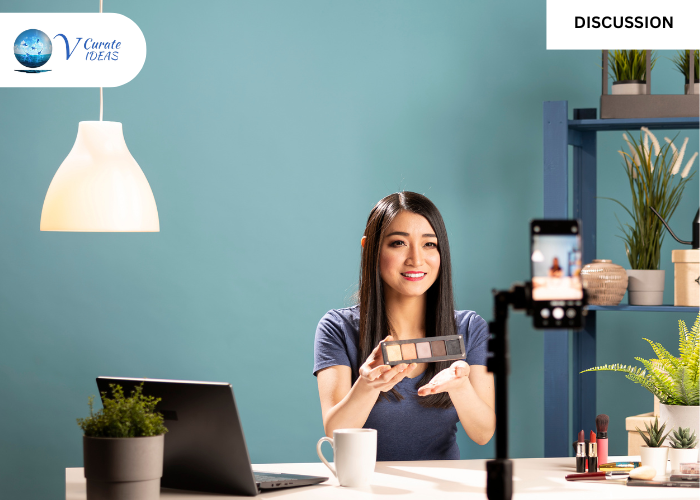
Self -Care or Absorption?
The Rise of Self-Care: A Blessing or a Curse? The Line Between Self-Care and Self-Absorption
Buy Now Pay Later apps have become a normal part of online shopping, especially for Gen Z users who want instant access without full upfront payment. Platforms like Klarna, Afterpay, and similar services let people split purchases into small installments, making expensive items feel more affordable in the moment.
In real life, this shows up everywhere. Someone buying sneakers online for $120 might only pay $30 today and the rest over a few weeks. A student ordering a laptop for classes may choose BNPL because they don’t have the full amount at once. Even everyday shopping like clothes, skincare, or phone accessories often comes with a “pay in 3 or 4 installments” option at checkout.
On the surface, this feels like financial flexibility. It reduces the pressure of paying everything at once and helps people manage short-term cash flow. For young users, especially students or early job holders, it can feel like a practical solution when salary or pocket money is limited.
But the problem starts with behavior. Because the payment feels small, users often don’t calculate the full cost properly. Buying multiple items using different BNPL plans can quietly stack up. For example, $30 here, $25 there, $40 somewhere else individually it feels easy, but together it becomes a monthly burden that many don’t notice until later.
This is where the idea of “hidden debt” comes in. Unlike traditional credit cards where people feel the impact immediately, BNPL spreads payments in a way that makes spending feel lighter than it actually is. This can lead to overspending, missed payments, and late fees, especially if income is irregular.
There is also a psychological angle. BNPL encourages impulse buying. Instead of thinking “Can I afford this right now?”, people start thinking “Can I afford the installment?” This small shift changes shopping habits and can weaken long-term saving discipline.
At the same time, it is not always negative. Many users responsibly use BNPL for planned purchases like electronics, travel bookings, or emergency expenses. When used with awareness and budgeting, it can act as a cash flow management tool rather than debt.
The real difference comes down to financial habits. BNPL itself is just a system the outcome depends on how carefully it is used.
So the bigger question is:
Is Buy Now Pay Later actually helping Gen Z manage money smarter, or is it slowly normalizing a lifestyle of spending first and worrying later?

The Rise of Self-Care: A Blessing or a Curse? The Line Between Self-Care and Self-Absorption
Modern travel is becoming more about social media validation, aesthetic content, and posting moments than truly living them.
Humanity has always been eager to survive, it is the most basic instinct of human nature.
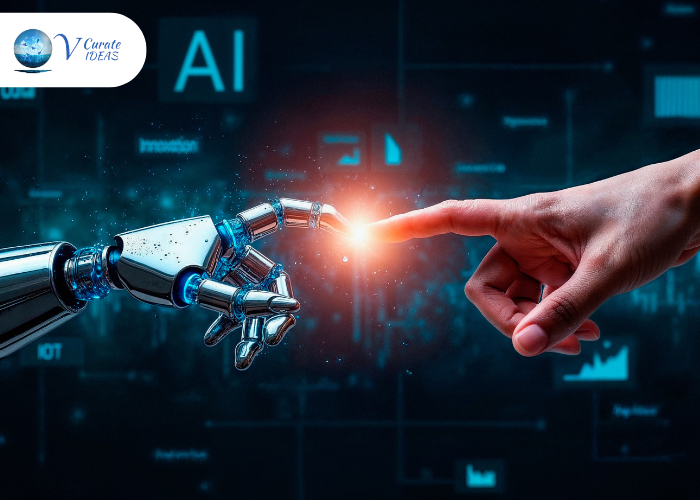
As AI content grows rapidly online, this essay explores whether we are witnessing the final era of a fully human-created internet.

Elon Musk is famous for being an environmental entrepreneur and businessman. Let's take a survey to know why is he so famous :)

This survey is aimed at knowing the way social media is affecting our youth in both positive and negative ways.
© Copyright 2019 - 2026, All Rights Reserved



Participant Comments