Why Personal Style Is Winning Over Fast Fashion Trends Today
Discover why personal style is replacing fast fashion as the new trend for confident everyday choices

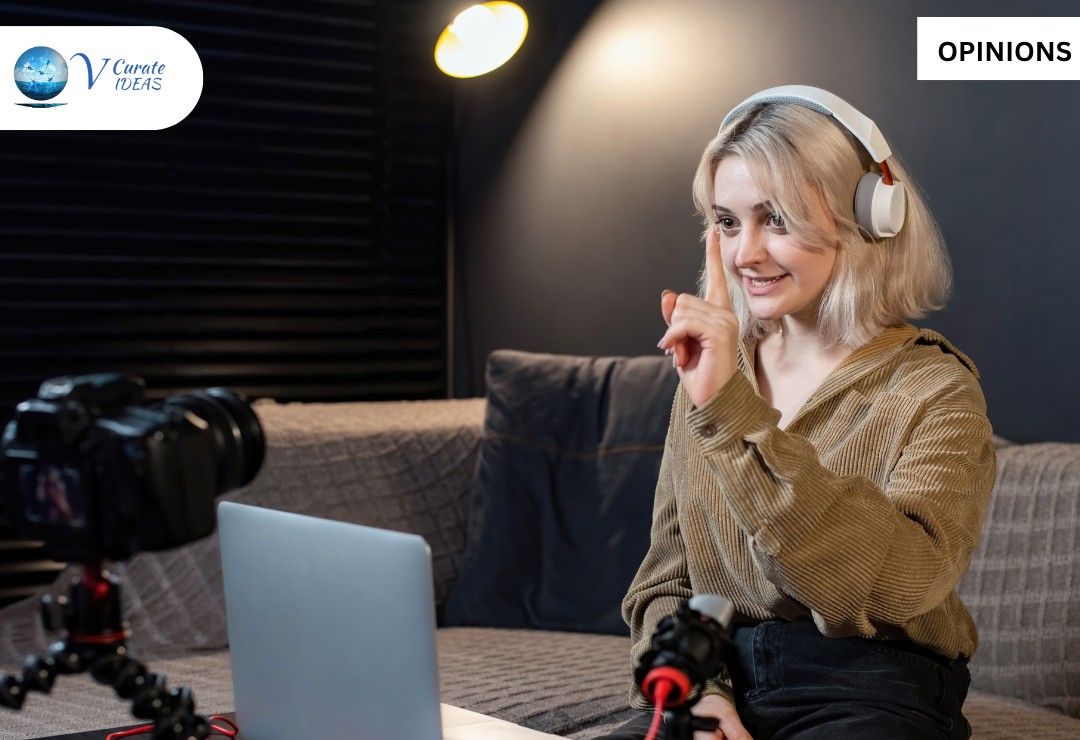
In my opinion, YouTube has become extremely competitive for small creators, but not completely impossible. The platform is still open to everyone, but the way success works today is very different compared to a few years ago. Earlier, people could upload simple videos and still get views if the content was interesting. Now, the situation has changed because of algorithm-driven discovery, massive YouTube content creator growth, and higher audience expectations in digital content consumption.
Today, millions of videos are uploaded daily, which means every niche is crowded. Whether it is gaming content creation, vlogging on YouTube, educational videos, or entertainment channels, there are already established creators dominating attention. This makes it harder for new or small creators to get visibility, even if their content is good. The YouTube algorithm 2026 usually promotes videos that already perform well in terms of watch time, engagement rate, click-through rate, and audience retention. Because of this, bigger channels often grow faster, while smaller creators struggle to get initial traction in the YouTube growth ecosystem.
From my point of view, this creates a feeling that YouTube is unfair, but it is more about high competition in online content creation than unfairness. The platform does not intentionally block small creators, but it rewards content that keeps users engaged for longer. So if a new creator does not immediately capture attention through strong video hooks, thumbnails, and storytelling strategy, their video may not reach a wide audience. This is one of the biggest challenges in modern content creation on YouTube for beginners.
Another important factor is the rise of high quality YouTube content standards. Today’s viewers expect better editing, strong thumbnails, fast pacing, and clear storytelling. Even simple videos now require planning and YouTube SEO optimization, keyword strategy, and audience targeting. This raises the entry barrier for beginners who may not have editing skills or experience in digital content marketing. At the same time, audiences also value authenticity, so sometimes raw and real content still performs well if it feels relatable and fits into niche content strategy.
The introduction of YouTube Shorts growth strategy has also changed competition. While Shorts help small creators get quick exposure, they also increase competition because attention spans are very short in the short-form video economy. Creators now compete not only with other YouTubers but also with endless scrolling content across platforms like TikTok and Instagram Reels. This makes it harder to build a loyal audience for long-form content unless the channel has a strong identity and consistent content branding strategy.
However, I still believe YouTube is not closed for small creators. There are still many cases where unknown creators go viral and build successful channels through organic YouTube growth strategies. The difference is that growth today requires more planning. Focusing on a specific niche, understanding audience behavior analytics, and being consistent matters more than randomly uploading videos. Niche YouTube channel growth has become one of the most effective ways for small channels to grow in a competitive environment.
In my honest opinion, YouTube is not “too hard,” but it is definitely more demanding. It rewards people who treat it seriously like a skill or long-term project. Many beginners fail because they expect fast results, but the reality is that building a successful YouTube channel takes time, testing, and learning from YouTube analytics data.
At the same time, YouTube still remains one of the few platforms where a small creator can reach millions of people without any gatekeeping. That opportunity does not exist in most traditional media industries. So even though competition is high, the possibility of success is still real through consistent content creation strategy, audience understanding, and improvement in video SEO optimization techniques.
Another important point is that audience behavior in online video consumption has changed significantly. Viewers today have shorter attention spans and more content choices than ever before. This means creators must constantly innovate to stay relevant in the digital attention economy. Even strong content can get ignored if it does not hook viewers in the first few seconds, which makes YouTube retention rate optimization extremely important.
There is also a psychological side to this competition. Many small creators feel discouraged when they do not see quick growth on their YouTube channel analytics dashboard. This leads to inconsistency, and inconsistency is one of the biggest reasons channels fail. Successful creators often grow because they continue uploading even when early videos perform poorly and slowly improve their content strategy and audience targeting.
Monetization is another factor that adds pressure. With YouTube monetization policy requirements, creators need watch hours and subscribers before earning income. This makes the early stage feel slow and discouraging. However, those who persist eventually benefit from multiple income streams such as ad revenue, brand sponsorships, affiliate marketing, and digital product sales, which are part of the broader creator economy income model.
Overall, YouTube today is a mix of opportunity and pressure. Small creators face more competition than ever before, but those who understand YouTube SEO strategy, consistency, audience psychology, and content optimization techniques still have a fair chance to grow. Success is no longer about luck alone; it is about adapting to the system, learning continuously, and building long-term value instead of chasing short-term viral moments.
Discover why personal style is replacing fast fashion as the new trend for confident everyday choices

Explore subscription fatigue streaming apps costs and how digital habits are shifting online today

Elon Musk is famous for being an environmental entrepreneur and businessman. Let's take a survey to know why is he so famous :)

This survey is aimed at knowing the way social media is affecting our youth in both positive and negative ways.

Gen Z fashion increasingly seems less interested in looking expensive

Gen Z talks about money more openly than previous generations.
© Copyright 2019 - 2026, All Rights Reserved