Sleep Reset Culture
Why quality sleep is becoming the ultimate productivity trend

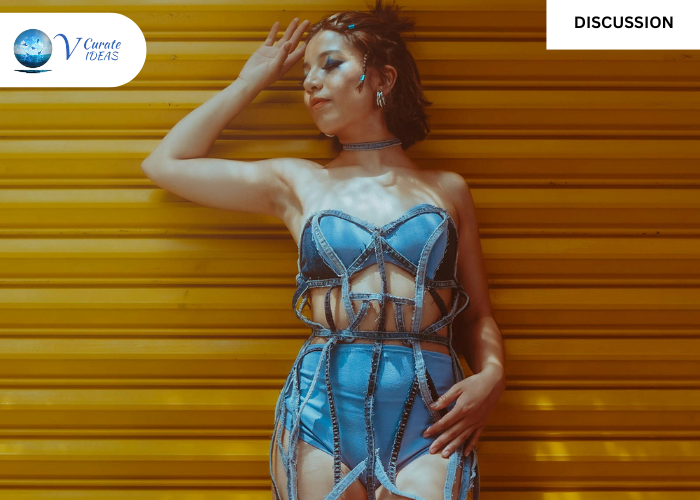
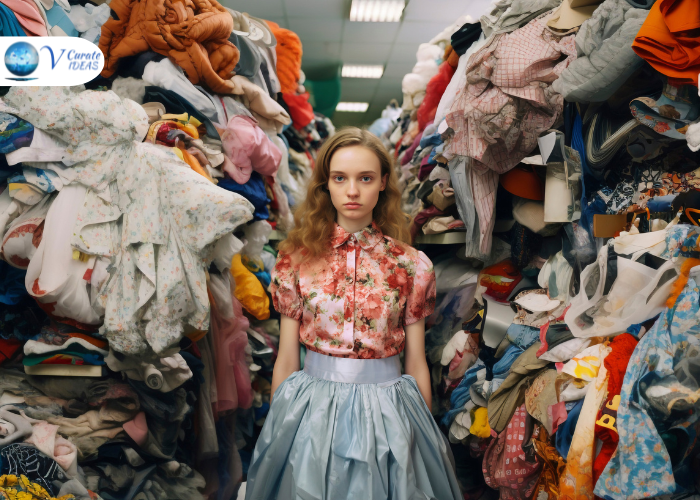
Scroll through TikTok, Instagram, or even Pinterest, and you will notice something strange happening in modern fashion culture. People are buying entire outfits just for one picture. A dress appears once in a photo dump, then disappears forever into the back of a closet. Shoes are worn for a mirror selfie but never for real life. Some people even return outfits after taking pictures. It sounds unrealistic at first, but this behavior has quietly become normal in the era of social media fashion and aesthetic culture.
Why We Compare Our Lives to Strangers on the Internet
Today, clothing is no longer just something people wear. For many, it has become part of an online performance. The goal is not always comfort, personal style, or practicality anymore. The goal is often content. That is why so many people now own clothes they barely wear outside photos.
One major reason is the pressure created by online appearance culture. Social media constantly rewards people for looking new, trendy, and visually perfect. Every week there is another micro trend dominating the internet. One month it is old money fashion, then suddenly everyone wants mob wife aesthetics, then minimalist neutral outfits, then hyper feminine looks. Trends move so fast that repeating outfits online can almost feel socially unacceptable.
In real life, nobody actually cares if someone repeats clothes. Most people are too busy thinking about themselves. But online, especially in highly visual spaces, people feel pressure to constantly present a “new version” of themselves. This creates the rise of what many now call one photo outfits. These outfits are not bought for daily life. They are bought for:
After the pictures are posted, the outfit often loses its value immediately.
What makes this even more interesting is that many people are not dressing for real environments anymore. Some outfits are completely impractical in everyday life. Extremely uncomfortable heels, oversized statement pieces, or trendy clothes that only work in carefully planned photos are becoming more common because modern fashion is increasingly designed for screens instead of reality.
This is deeply connected to validation culture. Likes, comments, and views now influence shopping habits more than actual lifestyle needs. Buying clothes can temporarily create excitement and confidence because people imagine how the outfit will look online before they even wear it outside.
For many people, shopping has also become emotional entertainment. This is where dopamine shopping enters the conversation. Buying trendy clothes creates a quick emotional high. Posting pictures creates another wave of validation. But after that moment passes, the clothes often feel emotionally “finished,” even if they were only worn once. That cycle keeps repeating:
buy → post → validation → boredom → buy again.
This is one reason why fast fashion brands continue dominating online culture. Companies know trends die quickly now, so they produce huge amounts of cheap clothing designed for short term excitement rather than long term use. Another reason people buy clothes they never wear again is identity experimentation. Social media encourages people to constantly reinvent themselves visually. Someone can become a completely different aesthetic every month online. One week they want to look classy and minimalist. The next week they want edgy streetwear. Then suddenly vintage fashion. Then hyper feminine luxury style.
Fashion used to reflect identity. Now, online culture often encourages people to switch identities rapidly to stay relevant or interesting. The problem is that this creates closets full of clothes connected to temporary internet moods instead of real personality. Many people are starting to realize they own wardrobes filled with outfits that do not actually represent their real lives. They have clothes for photos but “nothing to wear” for normal days.
There is also a financial side to this discussion. The pressure to maintain an attractive online image can quietly become expensive. People spend hundreds or thousands on clothing they rarely use because modern internet culture rewards appearance so heavily. Looking effortlessly stylish online often requires constant consumption behind the scenes. Ironically, the more fashion content people consume, the more dissatisfied they can become with their own style. Social media makes trends move so quickly that outfits can feel outdated after only weeks. What once felt unique suddenly feels overdone because everyone online starts wearing it at the same time.
This discussion is not really just about clothes. It is about how digital culture, consumerism, and online identity are changing human behavior. Fashion has become connected to algorithms, validation, aesthetics, and performance in ways previous generations never experienced. Of course, there is nothing wrong with enjoying fashion, dressing creatively, or posting outfit photos online. Fashion has always been a form of self expression. But the bigger question is whether people are still dressing for themselves or mainly for internet approval. Because when clothes are only valuable for a photo, fashion stops becoming personal and starts becoming disposable. And maybe that is why so many closets today are full of outfits connected to memories online instead of real moments in life.
What do you think?
Are people truly expressing themselves through fashion anymore, or are we mostly dressing for strangers on the internet now?
Why quality sleep is becoming the ultimate productivity trend

Build skills that keep your career ahead in an AI driven world
Discover why personal style is replacing fast fashion as the new trend for confident everyday choices

Explore subscription fatigue streaming apps costs and how digital habits are shifting online today

Elon Musk is famous for being an environmental entrepreneur and businessman. Let's take a survey to know why is he so famous :)

This survey is aimed at knowing the way social media is affecting our youth in both positive and negative ways.
© Copyright 2019 - 2026, All Rights Reserved



Participant Comments