Sleep Reset Culture
Why quality sleep is becoming the ultimate productivity trend


Modern relationships feel increasingly disposable, but not because people don’t care it’s because the structure of connection itself has changed. In earlier times, relationships often developed slowly through family circles, friendships, or physical proximity. Now, with dating apps, social media, and instant communication, emotional connections form faster but also break faster.
A major reason is the illusion of endless options. On apps like Tinder, Bumble, or Instagram DMs, there is always another profile, another match, another “maybe better” person waiting. This creates a mindset where people don’t fully invest in one connection because they believe something superior might appear tomorrow. As a result, patience in relationships has decreased, and small issues often become enough reason to leave.
Then comes the rise of ghosting culture one of the most emotionally damaging behaviors in modern dating. Instead of conversations like “this isn’t working,” people simply disappear. No closure, no explanation. For example, someone might talk daily for weeks, share personal struggles, even talk about future plans, and suddenly the messages stop being answered. This emotional disappearance has become normalized, even expected.
Another layer is situationship culture, where two people behave like a couple but avoid defining the relationship. There is emotional intimacy, physical closeness, and regular communication but no commitment. This setup often feels safe at first, but eventually creates confusion, imbalance, and emotional frustration, especially when one person becomes more attached than the other.
At the core of all this is a deeper psychological conflict: fear of attachment vs fear of loss. Many people want love, but they also fear being hurt, replaced, or emotionally dependent. So instead of fully committing, they stay halfway—close enough to enjoy connection, but distant enough to leave without pain. This emotional “self-protection” ironically creates more loneliness.
We are also seeing rising emotional burnout in dating. Constant talking stages, repeated disappointments, and unclear intentions make people exhausted. Some eventually stop trying deeply altogether, not because they don’t believe in love, but because they are tired of repeated emotional cycles.
Should Men Still Be the Main Providers in Relationships?
So the question is not whether relationships are truly disposable but whether modern culture has made emotional investment feel risky, temporary, and replaceable. In the end, people still crave the same thing: stability, loyalty, and genuine connection. But in a world of instant options and fast exits, maintaining something real requires more intention than ever.
So are modern relationships actually disposable or have we simply learned to leave before we get too attached?

Why quality sleep is becoming the ultimate productivity trend

Build skills that keep your career ahead in an AI driven world
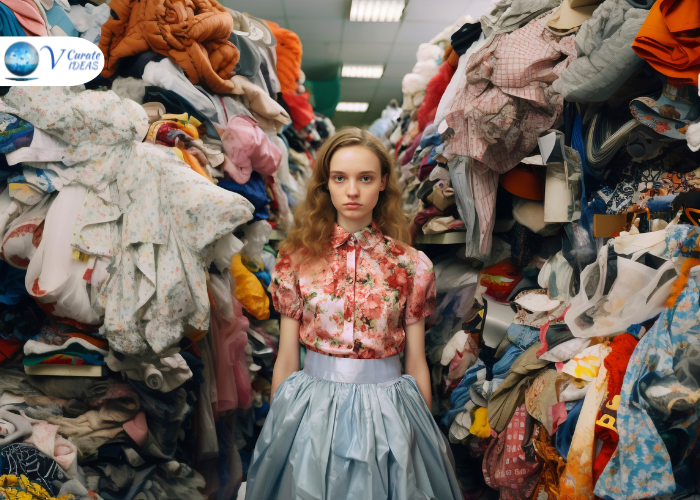
Discover why personal style is replacing fast fashion as the new trend for confident everyday choices

Explore subscription fatigue streaming apps costs and how digital habits are shifting online today

Elon Musk is famous for being an environmental entrepreneur and businessman. Let's take a survey to know why is he so famous :)

This survey is aimed at knowing the way social media is affecting our youth in both positive and negative ways.
© Copyright 2019 - 2026, All Rights Reserved




Participant Comments