Why Personal Style Is Winning Over Fast Fashion Trends Today
Discover why personal style is replacing fast fashion as the new trend for confident everyday choices
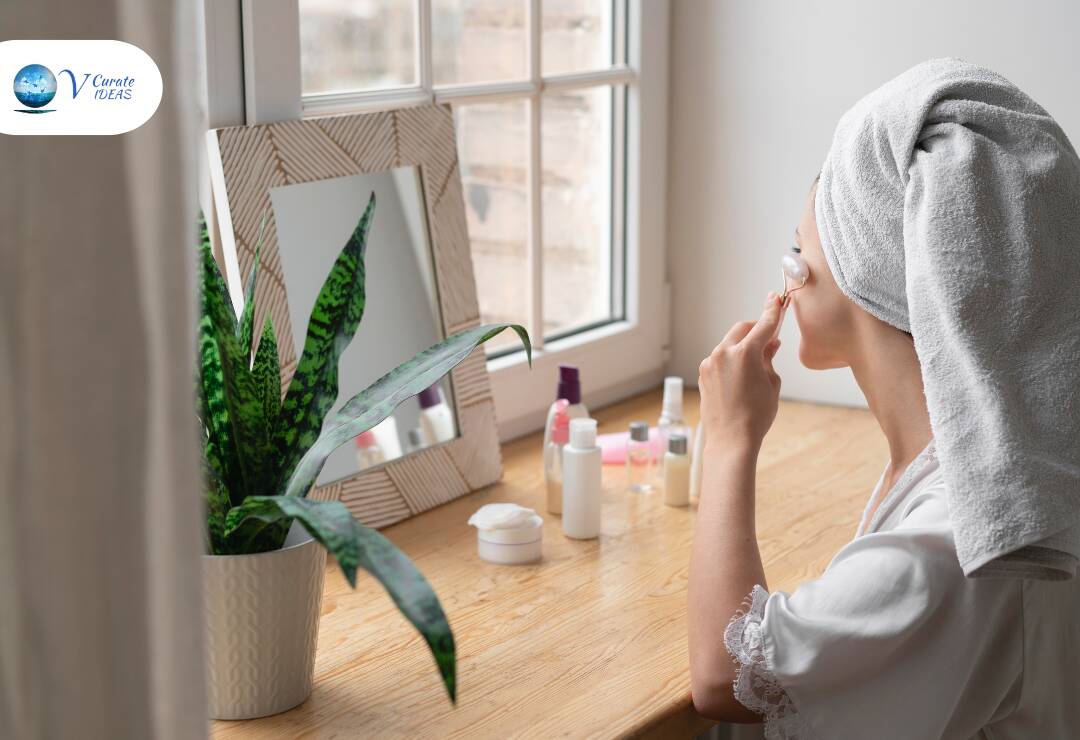
In recent years, the concept of self-care has gained significant traction, and with good reason.
As our lives become increasingly fast-paced and stress-laden, taking time to prioritize our well-being is undeniably important.
However, amidst the growing popularity of self-care, there is a fine line between genuine self-improvement and self-absorption.
Self-care encompasses various aspects, including physical, emotional, and mental well-being.
Engaging in regular exercise, eating a balanced diet, getting enough rest, and managing stress are all crucial components of maintaining a healthy lifestyle.
Emotional self-care involves being mindful of one's feelings, seeking therapy when necessary, and fostering positive relationships.
Mental self-care entails stimulating the mind through reading, learning, or engaging in creative pursuits. In essence, self-care revolves around making conscious efforts to nourish ourselves holistically.
The trouble arises when companies exploit the growing trend of self-care, turning it into a marketable commodity.
They bombard consumers with expensive self-care items, often masquerading as essential tools for well-being. These products promise instant gratification, convincing individuals that they can buy their way to happiness and fulfillment.
In reality, true self-care should not be contingent on material possessions but should instead emphasize self-awareness, self-compassion, and meaningful connections.
Furthermore, the emphasis on self-care can sometimes foster a culture of self-absorption.
When taken to an extreme, the focus on personal well-being can lead to a sense of entitlement and a disregard for others' needs.
In a world that is increasingly interconnected, it is essential to strike a balance between taking care of ourselves and being mindful of the well-being of those around us.
The commodification of self-care has also led to the popularization of the "self-care" excuse. Individuals may use the concept to justify selfish behavior or to avoid facing responsibilities.
This misuse of self-care as a shield against accountability undermines the genuine intentions behind the practice and dilutes its value as a means of personal growth and development.
Rather than succumbing to consumerist pressures or using self-care as a crutch, we should remember its core principles.
Self-care is about making time for ourselves, understanding our needs, and nurturing our physical and emotional health. It is about setting healthy boundaries, seeking help when necessary, and practicing self-compassion.
To avoid the pitfalls of self-absorption and consumer-driven self-care, we must cultivate self-awareness.
Honest introspection helps us distinguish between genuine self-care practices and fleeting trends. We can also support one another in our pursuit of well-being by encouraging open conversations about mental health, sharing coping strategies, and promoting a culture of empathy.
The rise of self-care presents both a blessing and a curse. When practiced earnestly and without exploitation, self-care can significantly enhance our lives and well-being.
However, the commercialization of self-care and the risk of self-absorption call for a cautious approach.
By staying true to the core principles of self-care and fostering self-awareness, we can navigate this fine line and ensure that self-care remains a meaningful and beneficial aspect of our lives.
Feel free to leave your opinions with us, so we can share them with the world!

Discover why personal style is replacing fast fashion as the new trend for confident everyday choices

Explore subscription fatigue streaming apps costs and how digital habits are shifting online today

Elon Musk is famous for being an environmental entrepreneur and businessman. Let's take a survey to know why is he so famous :)

This survey is aimed at knowing the way social media is affecting our youth in both positive and negative ways.

Your view on AI side hustles
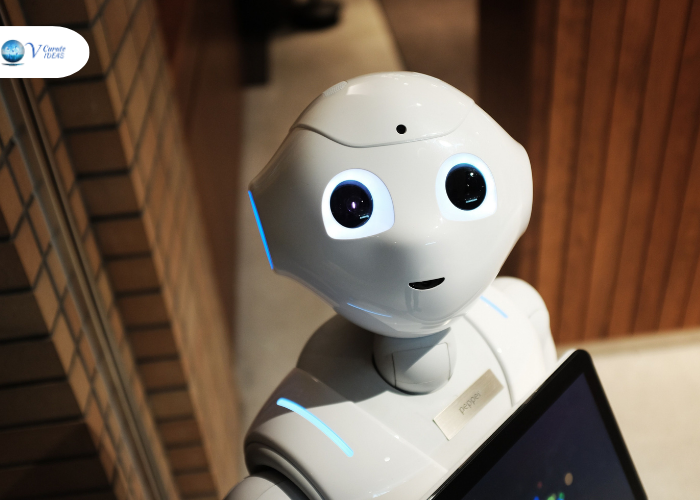
AI can already handle research, writing, analysis and repetitive tasks. But would you trust AI to do your entire job
© Copyright 2019 - 2026, All Rights Reserved