Sleep Reset Culture
Why quality sleep is becoming the ultimate productivity trend

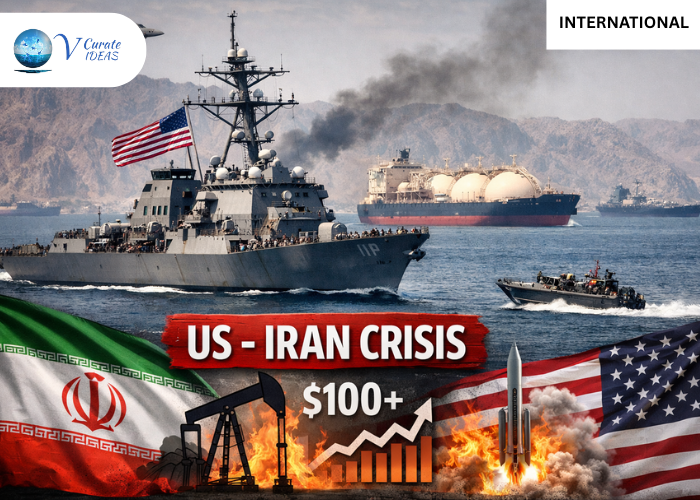
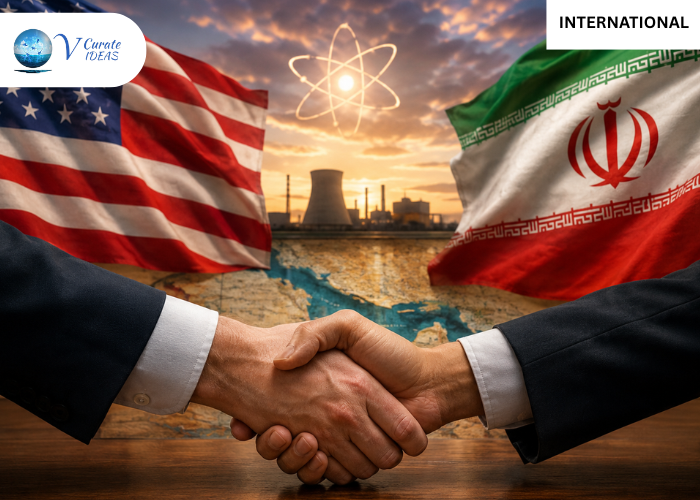
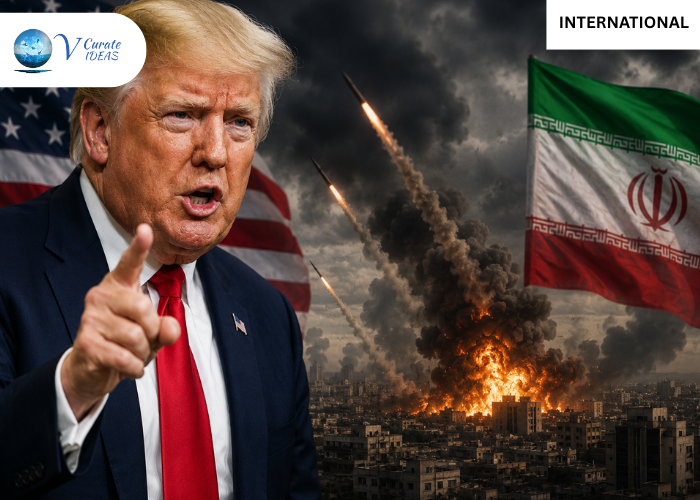
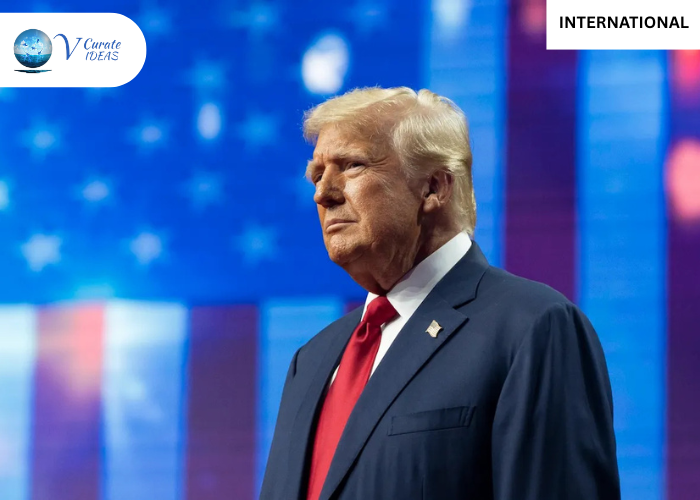
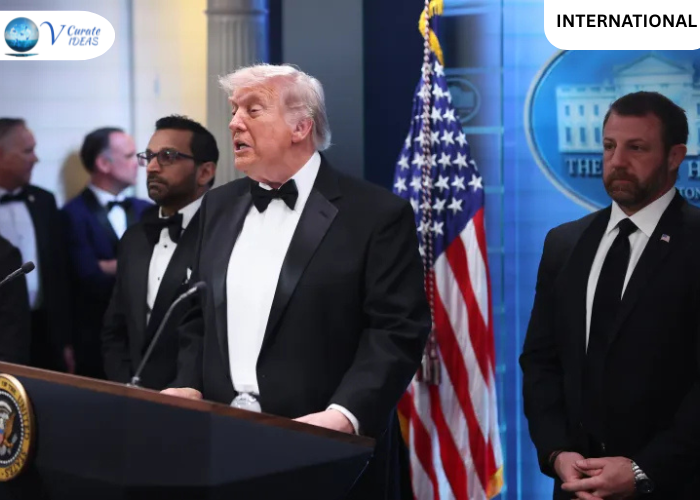
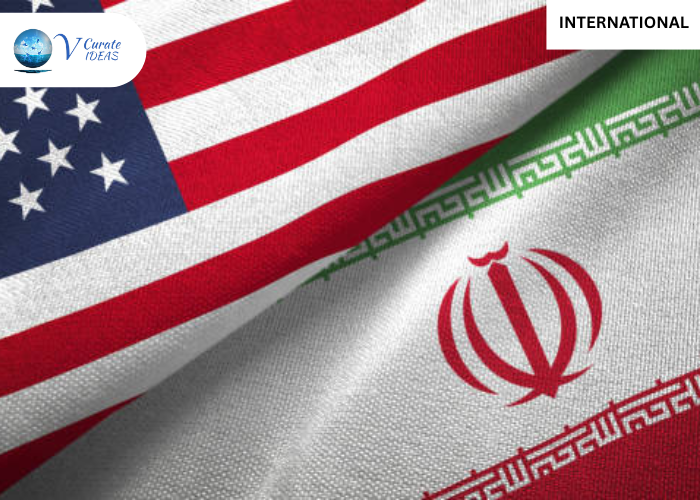
A major geopolitical crisis is intensifying as the United States moves forward with a naval blockade of Iranian ports, significantly escalating tensions with Iran. The decision, announced by Donald Trump, follows the collapse of high-level peace talks in Islamabad, where both sides failed to reach an agreement despite lengthy negotiations.
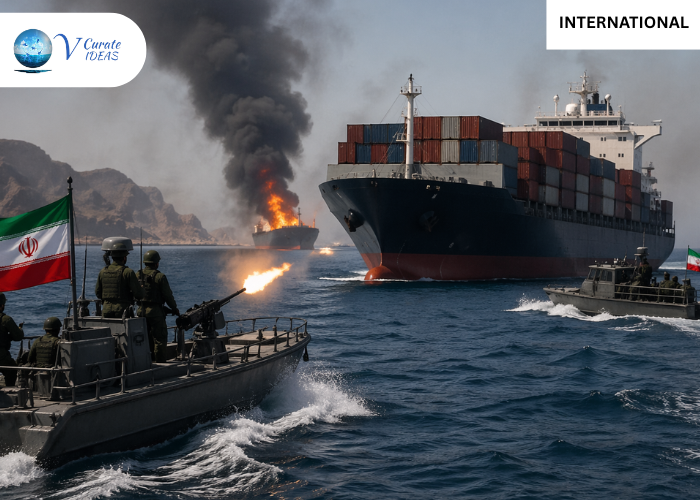
The US military has confirmed that the blockade will begin at 10:00 ET on Monday, targeting vessels entering or leaving Iranian ports. However, Washington stated it will not interfere with international ships passing through the Strait of Hormuz, a critical global shipping lane responsible for transporting nearly 20% of the world’s oil and natural gas. Even so, the situation remains highly sensitive due to the strait’s narrow geography and long history as a geopolitical pressure point.
Diplomatic efforts appear to have broken down at a crucial moment. While the US maintains that Iran refused to give up its nuclear ambitions, Iranian officials argue that a deal was close. Foreign Minister Abbas Araghchi said negotiations were “inches away” from success but accused the US of introducing last-minute demands. At the same time, parliamentary speaker Mohammad Bagher Ghalibaf rejected US pressure, insisting Iran would not “surrender under threats.”
Military tensions are also rising rapidly. Iran has warned that any foreign military presence near the Strait of Hormuz will be met with a severe response, signaling the risk of direct confrontation. On the other side, President Trump has taken a hardline stance, stating he does not care whether Iran returns to talks and warning that US forces are prepared for further action if necessary. Reports suggest that additional steps, including possible airstrikes, remain under consideration.
The global economic impact is already unfolding. Oil prices have surged above $100 per barrel amid fears of supply disruption, with analysts warning that up to two million barrels per day could be affected if the crisis deepens. Rising energy costs are expected to increase transportation and production expenses worldwide, potentially driving inflation higher and slowing economic growth, particularly in countries heavily dependent on imported fuel.
At the same time, conditions inside Iran are becoming more difficult as authorities enforce a near-total internet blackout. Officials claim the restrictions are for cybersecurity reasons, but they have significantly limited communication for ordinary citizens. Access is now largely restricted to select groups, while others are forced to rely on expensive alternatives such as satellite internet, further highlighting the broader impact of the ongoing conflict.

Why quality sleep is becoming the ultimate productivity trend

Build skills that keep your career ahead in an AI driven world

The Rise of Self-Care: A Blessing or a Curse? The Line Between Self-Care and Self-Absorption

Modern travel is becoming more about social media validation, aesthetic content, and posting moments than truly living them.

YouTube is more competitive than ever, but small creators can still grow with strategy, consistency, and niche content.

Smoking and vaping debate exploring health risks, personal freedom, addiction concerns, and whether a full ban is justified.
© Copyright 2019 - 2026, All Rights Reserved