Sleep Reset Culture
Why quality sleep is becoming the ultimate productivity trend

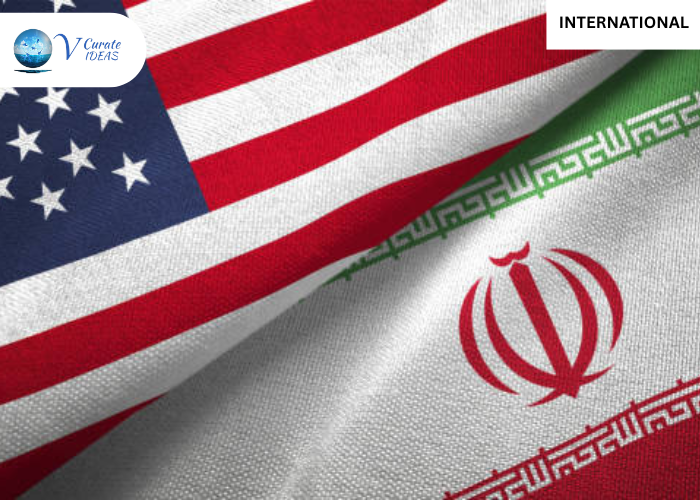
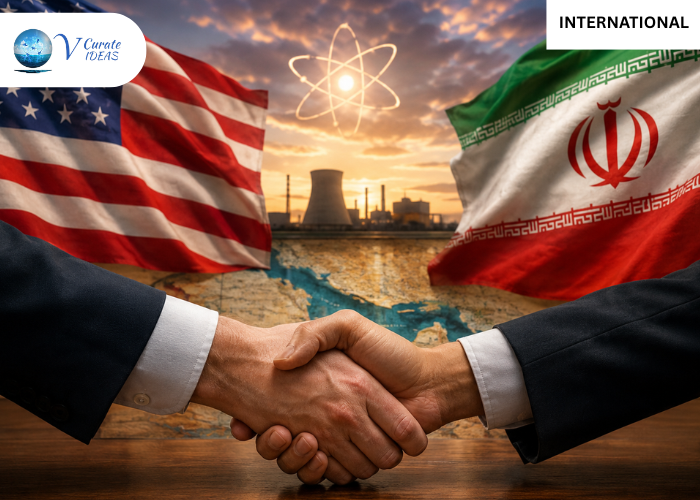
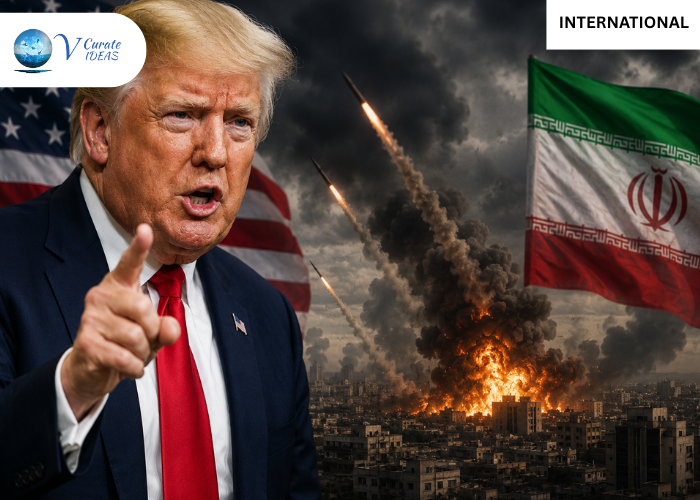
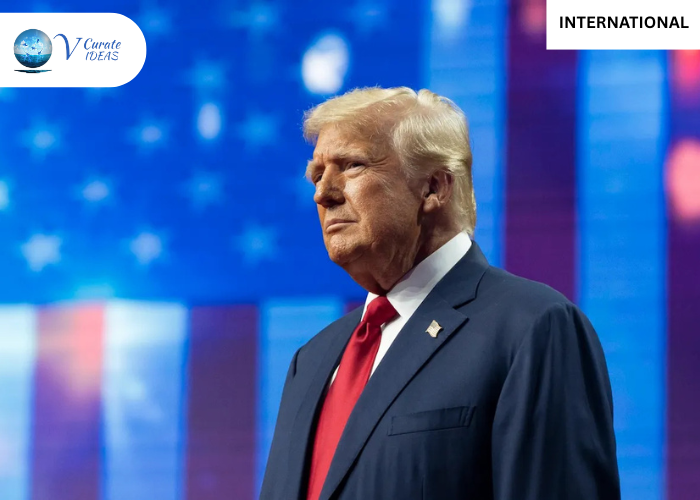
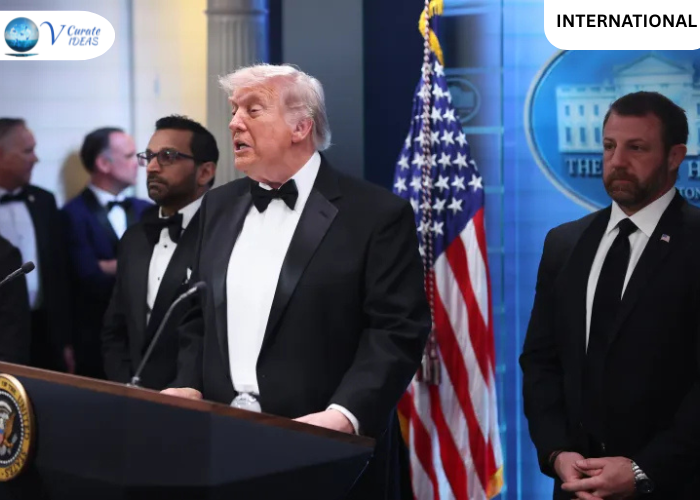
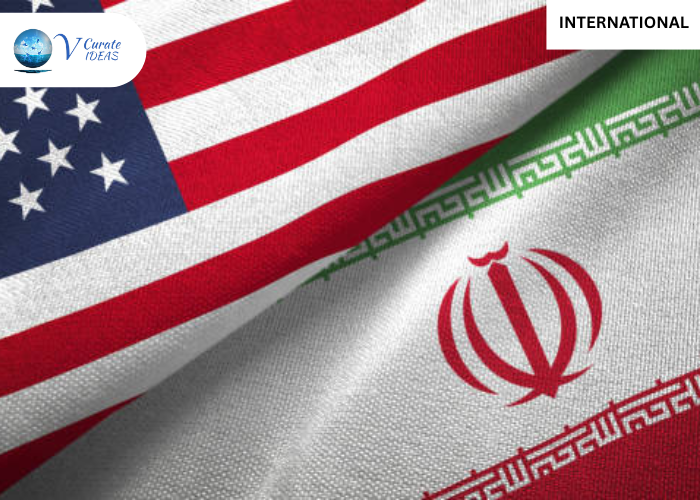
A delicate ceasefire agreement between the United States and Iran is increasingly under pressure as renewed military activity in Lebanon and disagreements over key conditions threaten to destabilize the wider Middle East. The situation is raising global concern with growing fears of prolonged conflict economic disruption and a worsening humanitarian crisis. US President Donald Trump has reaffirmed that American military forces will remain deployed in and around the region until Iran fully complies with what he describes as the real agreement. According to US officials the main conditions include preventing Iran from developing nuclear weapons and ensuring the Strait of Hormuz remains open and secure for global shipping.
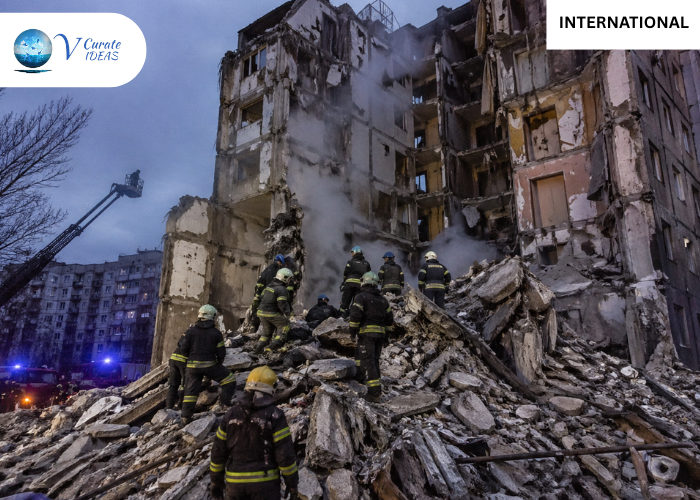
However conflicting versions of the proposed ceasefire terms have created uncertainty. Iranian officials have outlined their own conditions including sanctions relief broader regional de escalation and the inclusion of Lebanon in the ceasefire arrangement. The United States has rejected several of these demands particularly any provision allowing uranium enrichment. Violence in Lebanon has intensified significantly. Israeli forces carried out large scale airstrikes targeting multiple locations within a short time frame causing extensive damage in urban areas including parts of Beirut. Reports indicate that more than 180 people have been killed and hundreds injured with civilians among the casualties.
In response the Iran backed group Hezbollah has launched rockets into northern Israel stating that the attacks are retaliation for violations of the ceasefire. The group has warned that it will continue its operations unless military actions against Lebanon are halted. This escalation has increased uncertainty about whether Lebanon is included in the ceasefire agreement. International leaders have expressed serious concern over the situation. António Guterres has warned that ongoing military activity poses a grave risk to the ceasefire and efforts toward long term peace. He has urged all parties to immediately stop hostilities and return to diplomatic dialogue.
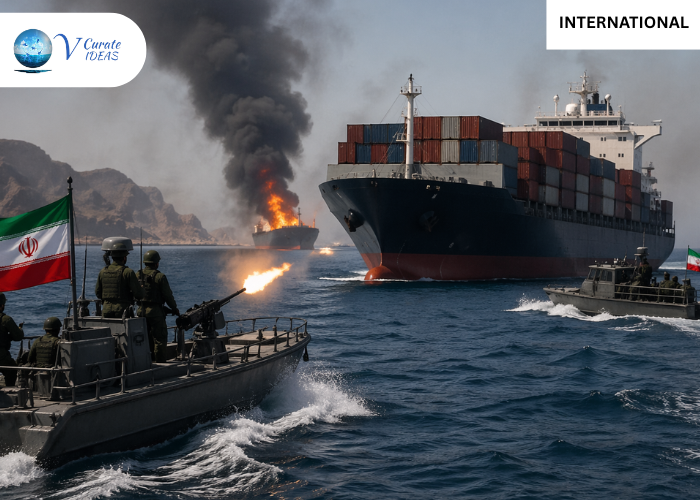
Tensions have also risen around the Strait of Hormuz which is a key route for global oil transport. Iran has warned that ships passing without permission could face serious consequences while US officials maintain that the passage remains open. These conflicting signals have created uncertainty in global shipping and energy markets. Oil prices have reacted sharply to the developments rising again after an initial drop following the ceasefire announcement. Analysts warn that continued instability could disrupt global supply chains and increase economic pressure worldwide. As diplomatic talks continue the situation remains fragile. Ongoing military actions and unresolved disagreements suggest that achieving a lasting and stable peace in the region will be challenging in the days ahead.

Why quality sleep is becoming the ultimate productivity trend

Build skills that keep your career ahead in an AI driven world

The Rise of Self-Care: A Blessing or a Curse? The Line Between Self-Care and Self-Absorption

Modern travel is becoming more about social media validation, aesthetic content, and posting moments than truly living them.

YouTube is more competitive than ever, but small creators can still grow with strategy, consistency, and niche content.

Smoking and vaping debate exploring health risks, personal freedom, addiction concerns, and whether a full ban is justified.
© Copyright 2019 - 2026, All Rights Reserved