Sleep Reset Culture
Why quality sleep is becoming the ultimate productivity trend

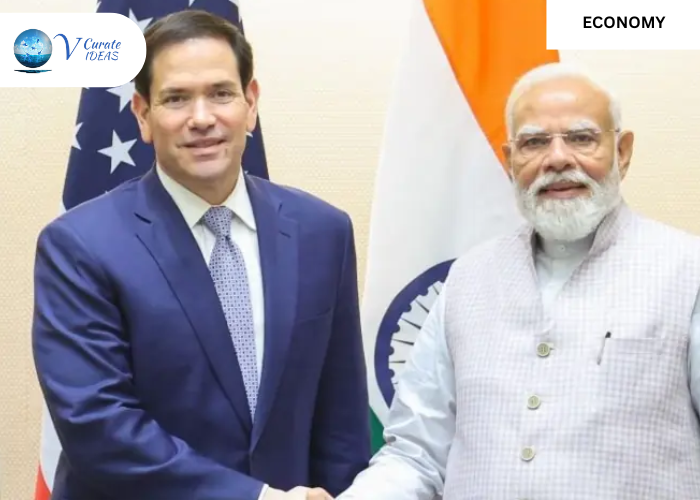
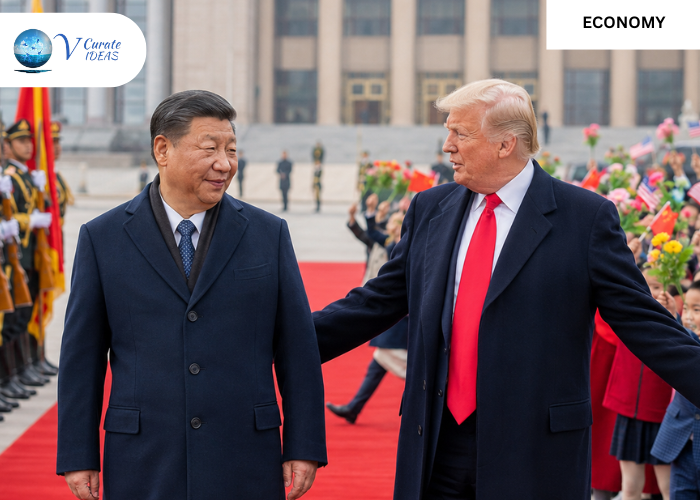
US Secretary of State Marco Rubio met Indian Prime Minister Narendra Modi in New Delhi during a high-profile four-day visit to India, with the growing global energy crisis emerging as the central issue of discussions. Rubio arrived in Kolkata on Saturday before travelling to the Indian capital. His visit will also include stops in Jaipur and Agra as Washington and Delhi attempt to strengthen economic and strategic ties during a period of mounting geopolitical tension.
During the meeting, Rubio extended an invitation from US President Donald Trump for Modi to visit the White House. Modi later said the leaders discussed several issues related to “regional and global peace and security,” including the worsening situation in the Middle East.
The talks come amid a severe global energy disruption caused by the ongoing Iran conflict. Shipments through the strategically vital Strait of Hormuz have slowed dramatically after tensions escalated following attacks involving Iran, Israel and the United States. The waterway handles nearly 20% of the world’s oil and natural gas supply, making the crisis particularly damaging for India, which imports more than 80% of its energy needs. Nearly half of India’s crude oil imports normally pass through the strait.
According to US officials, Rubio assured Modi that Washington would not allow Iran to “hold the global energy market hostage” and said American energy exports could help India diversify its supply chain.
Ahead of the meeting, Rubio also signalled that the US was prepared to sell India “as much energy as they’ll buy,” highlighting Washington’s push to expand energy trade with one of the world’s fastest-growing economies.
The energy discussions are also closely linked to trade negotiations between the two countries. The United States recorded a $58.2bn trade deficit with India in 2025, a figure that has repeatedly drawn criticism from Trump. Earlier this year, Trump reduced reciprocal tariffs on Indian goods from 50% to 18%, before lowering them again to 10% following a US Supreme Court ruling against sweeping trade duties. In response, India agreed to increase purchases of American goods, including energy, aircraft, technology and agricultural products.
Despite this, experts caution that replacing Middle Eastern oil with US energy imports will not be easy due to higher transportation costs and longer shipping routes.
Analysts in Delhi believe India is likely to seek additional concessions from Washington, particularly regarding imports of discounted Russian oil, which remains a sensitive issue in US foreign policy.
Rubio’s visit also comes at a time of lingering diplomatic friction between India and the US over regional politics.
Trump has repeatedly claimed he helped broker peace during last year’s brief India-Pakistan military tensions, a statement India has publicly denied. Delhi maintains its long-standing position against third-party mediation in disputes with Pakistan.
Indian officials are also reportedly uneasy about Trump’s warm relationship with Pakistani army chief Asim Munir, whom the US president recently praised publicly.
Pakistan’s role in facilitating communication between Iran and the US has meanwhile strengthened ties between Islamabad and Washington, adding another layer of complexity to India-US relations.
Political analysts expect discussions involving Pakistan to remain private during Rubio’s visit.
Rubio is also expected to attend a meeting of Quad foreign ministers in Delhi on 26 May. The Quadrilateral Security Dialogue commonly known as the Quad — includes India, the US, Japan and Australia and is viewed as a strategic counterbalance to China’s growing influence in the Indo-Pacific region.
Observers are closely watching whether the meeting can revive momentum for the grouping after months of uncertainty surrounding Trump’s commitment to the alliance.
India is eager for the Quad leaders’ summit, expected later this year in New Delhi, to move ahead as planned. The summit is viewed as an opportunity for India to further strengthen its image as an emerging global power. At the same time, Delhi is balancing multiple international relationships as it prepares to host a future BRICS summit involving countries such as China, Russia, Iran and Saudi Arabia. As Rubio’s visit continues, analysts say the outcome of the talks could shape not only India-US trade and energy ties, but also the broader strategic balance across Asia and the Middle East.

Why quality sleep is becoming the ultimate productivity trend

Build skills that keep your career ahead in an AI driven world

The Rise of Self-Care: A Blessing or a Curse? The Line Between Self-Care and Self-Absorption

Modern travel is becoming more about social media validation, aesthetic content, and posting moments than truly living them.
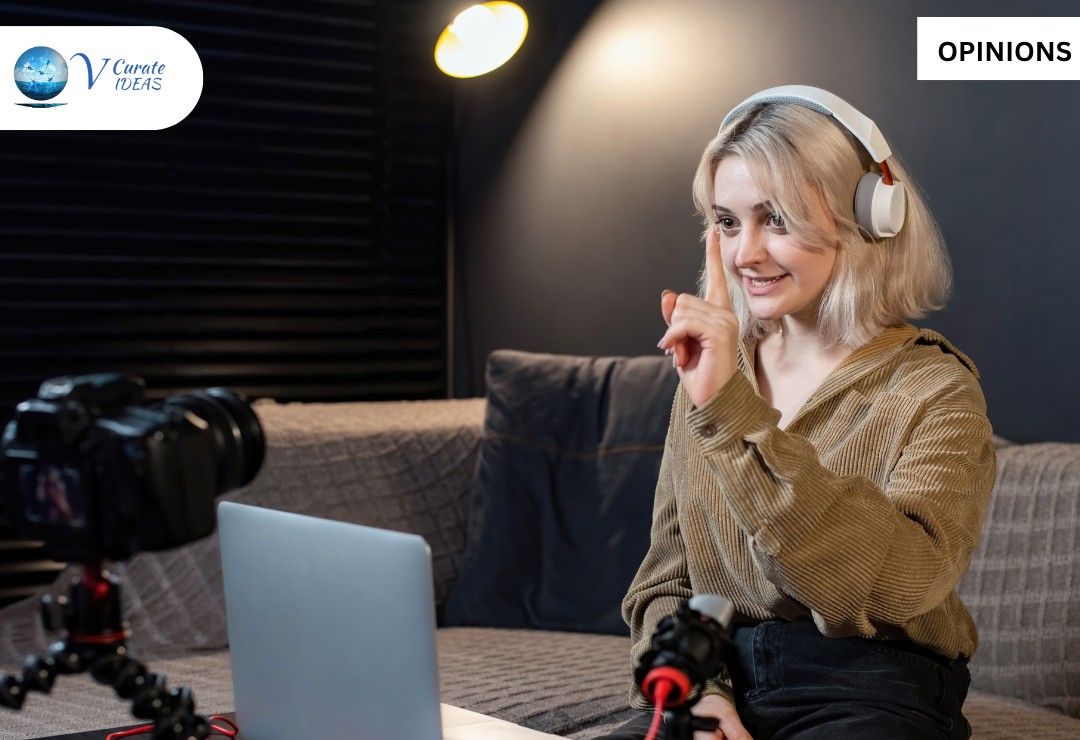
YouTube is more competitive than ever, but small creators can still grow with strategy, consistency, and niche content.
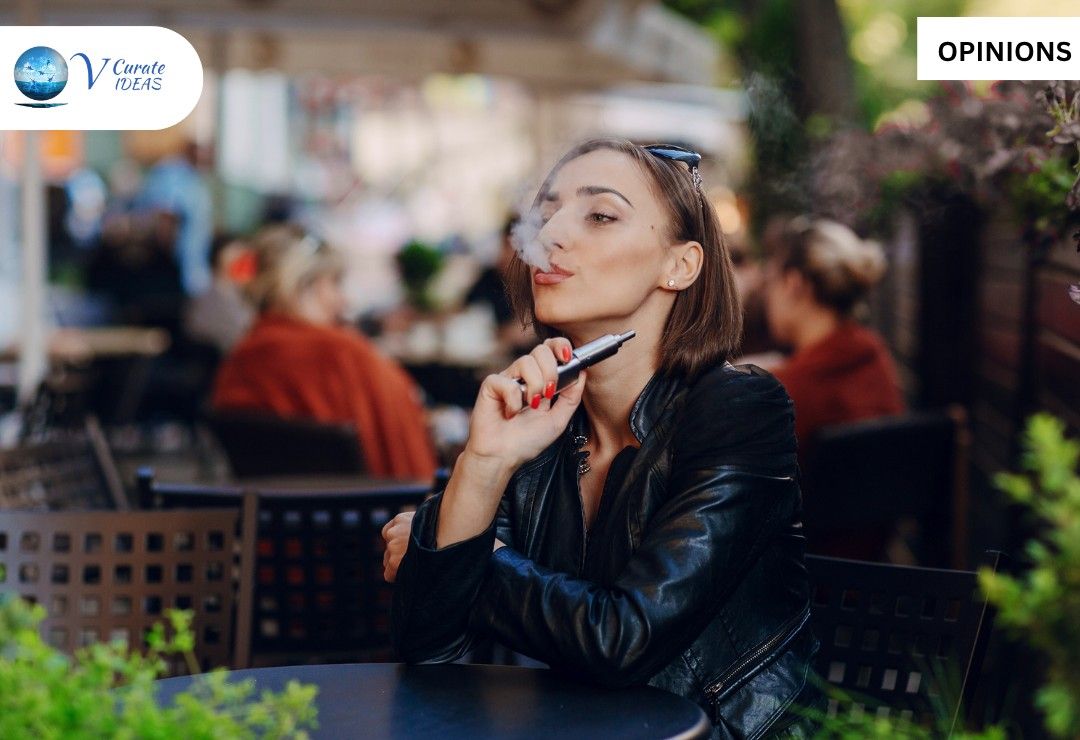
Smoking and vaping debate exploring health risks, personal freedom, addiction concerns, and whether a full ban is justified.
© Copyright 2019 - 2026, All Rights Reserved