Sleep Reset Culture
Why quality sleep is becoming the ultimate productivity trend

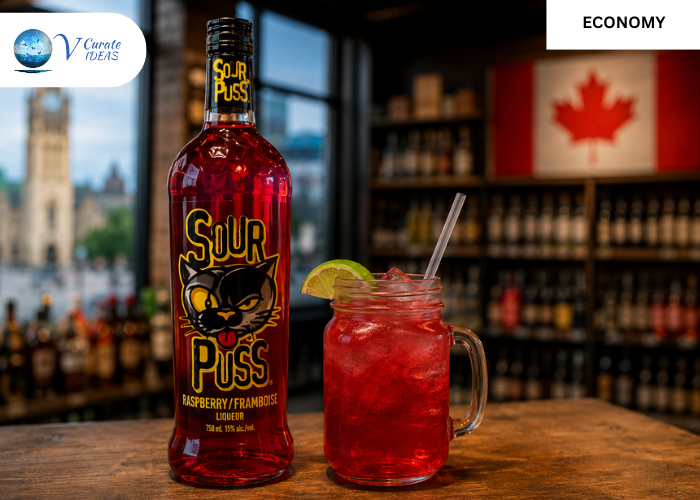
A long-running trade dispute between the United States and Canada has forced one American liquor company to make a major business shift. Minnesota-based Phillips Distilling Company, best known for its brightly coloured Sour Puss liqueur, has moved part of its production to Canada after Canadian provinces pulled American alcohol from store shelves in response to US tariffs.
The decision came after the company lost nearly 70% of its Canadian business during the ongoing tariff battle linked to US President Donald Trump’s trade policies. Sour Puss, a fruity liqueur popular among Canadian university students and young adults, was hit especially hard because Canada is by far the brand’s biggest market.
The trade tensions began escalating in early 2025 after the United States imposed tariffs on several Canadian industries, including metals, lumber, and automobiles. In retaliation, most Canadian provinces stopped selling American-made alcohol through government-controlled liquor boards. Since alcohol distribution in Canada is heavily regulated by provincial governments, the boycott had an immediate impact on American liquor producers.
Ontario was among the first provinces to remove US liquor from shelves, followed by Quebec and British Columbia. By May 2026, only Alberta and Saskatchewan continued allowing widespread sales of American alcohol because of their private liquor retail systems.
For Phillips Distilling, the effects were devastating. CEO Andy England said the company realised within weeks that it needed to rethink its strategy. Sour Puss, despite being produced in the United States, had developed a strong identity in Canada over the years. England even described it as “very much a Canadian brand” because of how deeply Canadian consumers embraced it. The company quickly began searching for ways to keep its products available in Canada without being affected by the liquor bans. By October 2025, Phillips Distilling signed an agreement with Montreal-based manufacturer Station 22 to begin producing Sour Puss inside Canada.
That move allowed the company to bypass restrictions placed on American-made liquor. Slowly, provinces began allowing Sour Puss products back onto shelves because they were now being produced domestically. Quebec was reportedly the first province to approve the return, helping open the door for discussions with other provincial liquor boards across the country.
The return of Sour Puss was celebrated by loyal Canadian fans online. Many longtime consumers had worried the brand would disappear completely from stores. Social media posts showed customers sharing photos of newly restocked bottles after months of shortages. Experts say Phillips Distilling’s situation is unusual because its product is not strongly tied to a specific American region. Unlike Kentucky bourbon or California wine, Sour Puss does not rely on a protected geographic identity, making it easier to relocate production across the border.
Meredith Lilly, a professor of international economic policy at Carleton University in Ottawa, said the boycott may have unintentionally encouraged more manufacturing activity inside Canada. She noted that provinces likely did not expect the alcohol restrictions to remain in place for such a long period when they first announced them.
At the same time, uncertainty remains over how long the liquor dispute will continue. US officials have criticised the Canadian bans, calling them unfair and disrespectful. Canadian Prime Minister Mark Carney has suggested provinces could reconsider selling American alcohol if the United States lowers or removes tariffs on key Canadian industries.
Despite ongoing negotiations, no major trade agreement has yet been reached between the two countries. For Phillips Distilling, however, the experience has already reshaped the company’s future. The business now sees Canadian production as part of its long-term strategy rather than a temporary solution. What began as a political trade battle has now permanently changed how one American liquor brand operates, proving how deeply international tariffs can affect everyday products and consumer markets on both sides of the border.

Why quality sleep is becoming the ultimate productivity trend

Build skills that keep your career ahead in an AI driven world
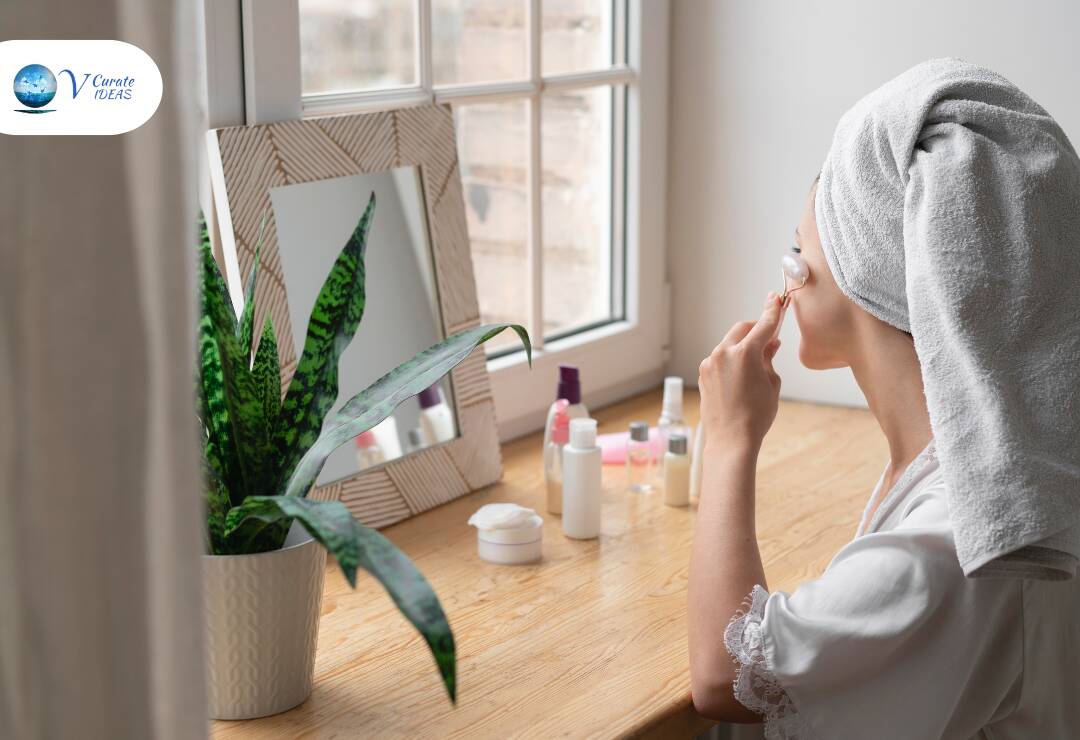
The Rise of Self-Care: A Blessing or a Curse? The Line Between Self-Care and Self-Absorption

Modern travel is becoming more about social media validation, aesthetic content, and posting moments than truly living them.

YouTube is more competitive than ever, but small creators can still grow with strategy, consistency, and niche content.

Smoking and vaping debate exploring health risks, personal freedom, addiction concerns, and whether a full ban is justified.
© Copyright 2019 - 2026, All Rights Reserved