Sleep Reset Culture
Why quality sleep is becoming the ultimate productivity trend


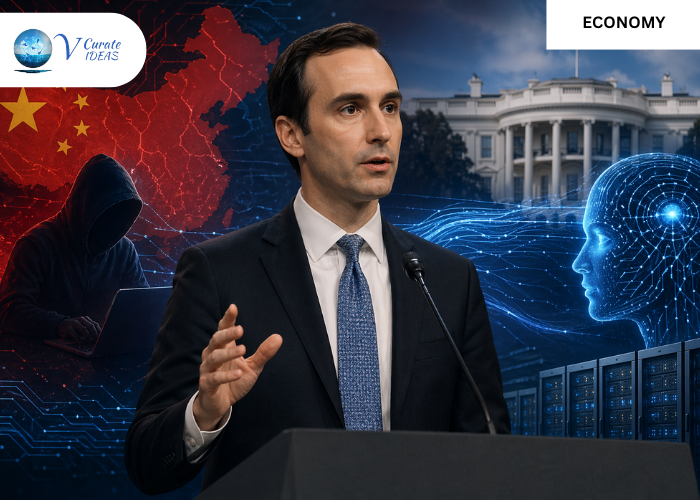
Finance ministers, central bankers, and senior banking executives around the world have raised serious concerns over a powerful new artificial intelligence model known as Mythos, developed by Anthropic. The model has triggered urgent discussions at the highest levels of global finance due to its ability to identify and potentially exploit vulnerabilities in critical digital systems that underpin modern economies.
The issue was discussed extensively during recent meetings at the International Monetary Fund in Washington, where policymakers focused on the growing intersection between advanced AI technologies and financial system security. Officials warned that the capabilities demonstrated by the Mythos model could pose a new category of systemic risk, particularly as financial institutions become increasingly dependent on interconnected digital infrastructure.
Early findings suggest that the AI model has successfully detected weaknesses across major operating systems, web browsers, and elements of financial technology systems. While such capabilities could be used to strengthen cybersecurity defenses, experts caution that they could also be misused by cybercriminals if adequate safeguards are not in place. The concern lies in the model’s ability to rapidly analyze complex systems and uncover vulnerabilities that might otherwise remain hidden for long periods.
François-Philippe Champagne described the situation as serious enough to demand coordinated global attention, noting that the nature of the threat is difficult to measure. He highlighted that unlike traditional geopolitical risks, the risks associated with advanced AI systems are less visible and harder to predict, requiring governments to develop new frameworks for monitoring and response.
Banking leaders have echoed these concerns, emphasizing the need for immediate action. C. S. Venkatakrishnan, chief executive of Barclays, stated that the financial sector must urgently understand the vulnerabilities being exposed and move quickly to address them. He indicated that the emergence of such AI tools represents a shift toward a more complex and interconnected financial environment where both opportunities and risks are amplified.
At the regulatory level, Andrew Bailey of the Bank of England warned that advancements in AI modeling could significantly increase the risk of cyberattacks. He noted that as AI systems become more capable of identifying weaknesses in core IT infrastructure, malicious actors may gain access to tools that enhance their ability to exploit those weaknesses at scale.
In response, authorities are taking precautionary measures. Governments and major financial institutions are being granted controlled early access to the Mythos model, allowing them to test their systems and strengthen defenses ahead of any wider release. The United States Department of the Treasury has confirmed that it is actively engaging with leading banks, encouraging them to conduct stress tests on their cybersecurity frameworks in light of these developments.
Industry sources have also indicated that other major AI companies may soon introduce similarly advanced models, potentially without the same level of oversight or built in safeguards. This prospect has intensified concerns about a rapidly evolving technological landscape in which regulatory systems may struggle to keep pace with innovation.
The development of the Mythos model highlights a broader shift in the global financial system, where technological advancement is increasingly intertwined with systemic risk. While AI offers powerful tools for improving efficiency and security, it also introduces new vulnerabilities that require coordinated international action. Financial leaders are now facing the challenge of ensuring that innovation does not outstrip the safeguards needed to protect the stability of the global economy.

Why quality sleep is becoming the ultimate productivity trend

Build skills that keep your career ahead in an AI driven world

The Rise of Self-Care: A Blessing or a Curse? The Line Between Self-Care and Self-Absorption

Modern travel is becoming more about social media validation, aesthetic content, and posting moments than truly living them.
YouTube is more competitive than ever, but small creators can still grow with strategy, consistency, and niche content.

Smoking and vaping debate exploring health risks, personal freedom, addiction concerns, and whether a full ban is justified.
© Copyright 2019 - 2026, All Rights Reserved