Sleep Reset Culture
Why quality sleep is becoming the ultimate productivity trend


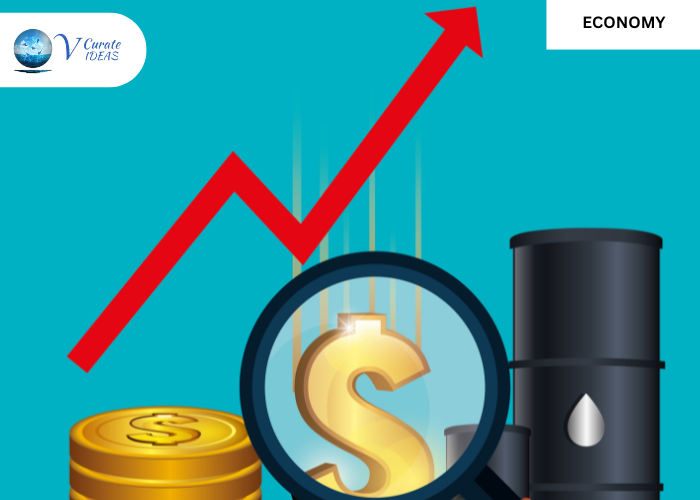
Global oil prices surged on Monday after at least three vessels were attacked near the Strait of Hormuz, as tensions escalate following Iranian strikes across the Middle East. The UK Maritime Trade Operations (UKMTO) said two ships were hit by unknown projectiles, causing fires, while a third vessel reported an explosion in close proximity. A fourth incident involving the evacuation of a crew was also reported, though the cause remains unclear. Iran’s Islamic Revolutionary Guard Corps (IRGC) claimed three UK- and US-linked tankers were struck and were burning. Neither the UK nor the US has commented on the claims.
The Strait of Hormuz, which carries around 20% of the world’s oil and gas supplies, has seen shipping activity grind to a near halt. At least 150 tankers have anchored in Gulf waters outside the strait, according to ship-tracking platform Kpler. Analysts say vessels are avoiding entry due to heightened risks and sharply rising insurance costs. In early Asian trading, oil prices spiked by more than 10% before easing slightly. By 02:00 GMT, Brent crude was up more than 4% at $76.16 per barrel, while US crude rose around 4% to $69.67.
Energy analysts warned that a prolonged closure of the strait could send prices above $100 per barrel. However, some market watchers noted that oil infrastructure has not yet been directly targeted, limiting panic in financial markets. On Sunday, the OPEC+ alliance, which includes Saudi Arabia and Russia, agreed to increase output by 206,000 barrels per day in an effort to stabilise prices. Experts cautioned that the increase may offer only limited relief if disruptions persist. Shipping disruptions are also spreading beyond the Gulf. Danish container giant Maersk announced it would suspend sailings through the Bab el-Mandeb Strait and the Suez Canal, rerouting vessels around the Cape of Good Hope.
The maritime incidents come amid intensifying conflict between Iran and Israel, following US-Israeli strikes that killed Iran’s Supreme Leader Ayatollah Ali Khamenei. Retaliatory strikes have since been reported in the United Arab Emirates, Qatar, Bahrain and Kuwait. With regional hostilities widening, analysts warn that prolonged instability in one of the world’s most critical energy corridors could have significant consequences for global fuel prices and economic stability.

Why quality sleep is becoming the ultimate productivity trend

Build skills that keep your career ahead in an AI driven world

The Rise of Self-Care: A Blessing or a Curse? The Line Between Self-Care and Self-Absorption

Modern travel is becoming more about social media validation, aesthetic content, and posting moments than truly living them.

YouTube is more competitive than ever, but small creators can still grow with strategy, consistency, and niche content.

Smoking and vaping debate exploring health risks, personal freedom, addiction concerns, and whether a full ban is justified.
© Copyright 2019 - 2026, All Rights Reserved