Sleep Reset Culture
Why quality sleep is becoming the ultimate productivity trend

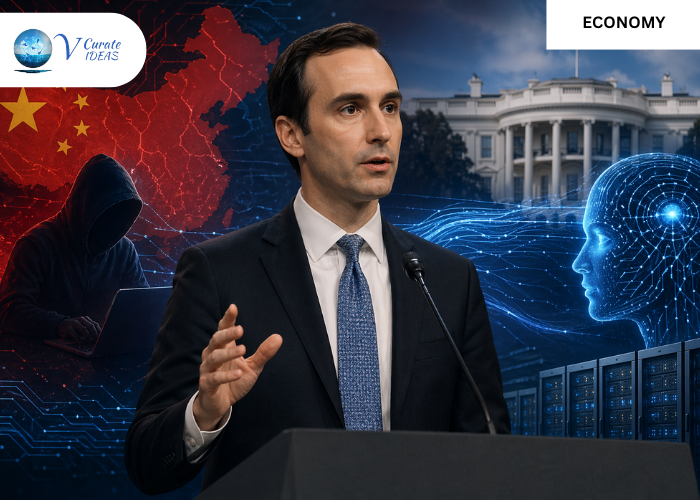
The White House has raised alarm over what it describes as “industrial-scale AI theft” by Chinese firms, warning that foreign entities are systematically targeting American artificial intelligence innovations. The claims were outlined in an internal memo by Michael Kratsios, Director of the Office of Science and Technology Policy.
According to the memo, companies “principally based in China” are using a technique known as “distillation” to replicate advanced AI systems built by US firms. This process involves extracting knowledge from existing AI models and using it to train new systems essentially copying capabilities without the same level of investment. Kratsios stated that these efforts aim to undermine American research and development while gaining access to proprietary technologies. He warned that such activities pose a direct threat to the competitive edge of the US in the rapidly evolving AI industry.
To counter this, the White House plans to step up collaboration with leading US tech companies such as OpenAI and Anthropic. The administration outlined four key actions: sharing intelligence about tactics used in these campaigns, improving coordination with companies, developing best practices to detect and mitigate threats, and exploring ways to hold foreign actors accountable. However, the memo stops short of detailing concrete penalties or enforcement mechanisms.
The issue is not purely theoretical. Earlier this year, Anthropic reported that three China-based AI labs DeepSeek, Moonshot AI, and MiniMax had attempted to replicate its models using distillation techniques. Similarly, OpenAI has accused DeepSeek of copying its technology. None of the companies named have publicly responded to these specific allegations. DeepSeek, in particular, has drawn global attention for building a highly capable AI model at a fraction of the cost typically required reportedly just a few million dollars compared to the billions invested by US firms. This has intensified scrutiny over whether such efficiency is driven by innovation or by leveraging external models.
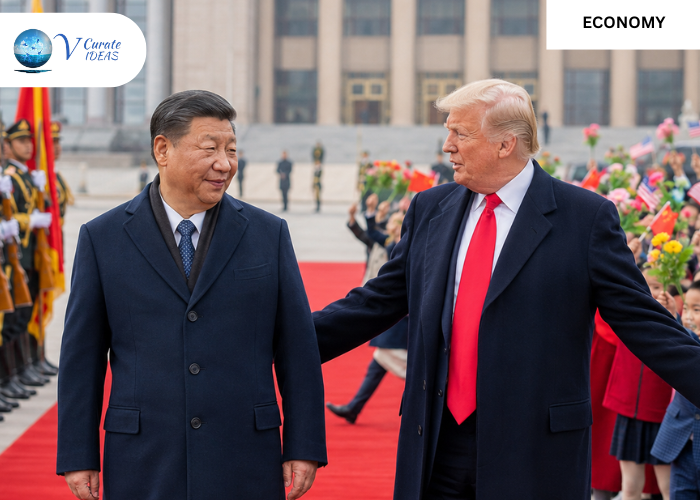
In response, a spokesperson from China’s embassy in Washington rejected the accusations, arguing that the country’s technological progress is the result of independent innovation and international cooperation, while criticizing what it called unjustified suppression of Chinese companies. The controversy highlights growing tensions between the US and China over technological dominance, especially in AI, which is increasingly seen as a cornerstone of economic and national security. It also comes ahead of a planned visit by Donald Trump to China in May, where technology and trade issues are expected to be key topics.
As AI becomes more powerful and valuable, concerns over intellectual property, cybersecurity, and global competition are likely to intensify, setting the stage for stricter policies and deeper geopolitical rivalry in the tech sector.

Why quality sleep is becoming the ultimate productivity trend

Build skills that keep your career ahead in an AI driven world

The Rise of Self-Care: A Blessing or a Curse? The Line Between Self-Care and Self-Absorption

Modern travel is becoming more about social media validation, aesthetic content, and posting moments than truly living them.
YouTube is more competitive than ever, but small creators can still grow with strategy, consistency, and niche content.
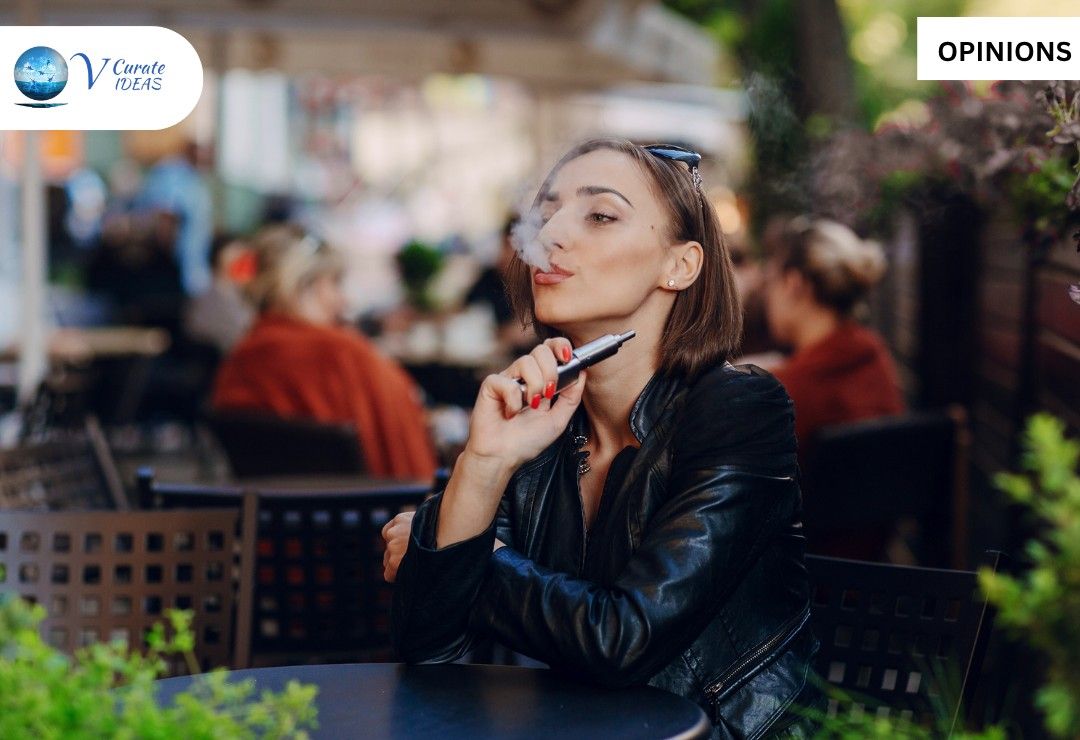
Smoking and vaping debate exploring health risks, personal freedom, addiction concerns, and whether a full ban is justified.
© Copyright 2019 - 2026, All Rights Reserved