Sleep Reset Culture
Why quality sleep is becoming the ultimate productivity trend


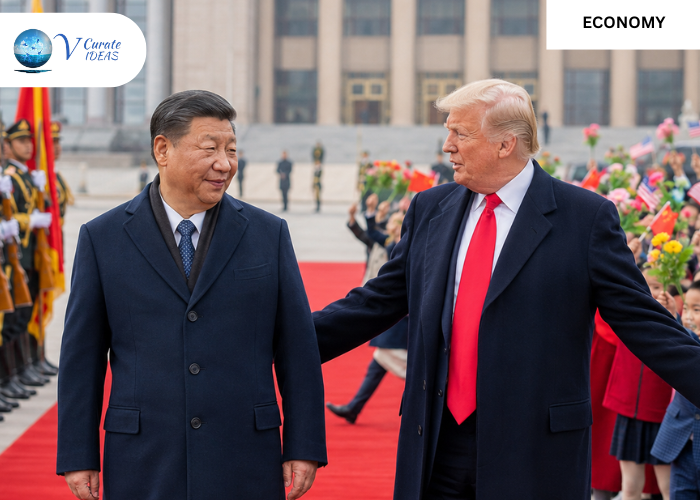
US President Donald Trump has sparked fresh uncertainty for businesses and consumers after announcing new changes to his global tariff policy, just days after a Supreme Court ruling blocked his earlier approach. On Friday, the Supreme Court ruled that Trump could not use the 1977 International Emergency Economic Powers Act to impose sweeping tariffs on imports from nearly every country. In response, Trump signed a proclamation on Saturday invoking Section 122 of the Trade Act of 1974, introducing a temporary 10% tariff on goods from all countries. Later the same day, he indicated on social media that the tariff rate would be increased to 15%.
The sudden shift has created confusion for countries such as the UK and Australia, which had previously negotiated 10% tariff arrangements with the United States following last year’s “Liberation Day” announcement. A White House official said countries that had reached trade deals would now face the Section 122 global tariff rather than the earlier negotiated rate, though the administration also stated it would continue to honour legally binding reciprocal trade agreements. It remains unclear how the higher 15% rate will interact with existing deals.
William Bain, head of trade policy at the British Chambers of Commerce, said businesses were increasingly frustrated by the repeated policy changes. He said companies were struggling with a lack of clarity over tariff levels, making it difficult to set prices and plan trade with the US market. The British Chambers of Commerce estimates that raising tariffs from 10% to 15% could increase costs on UK goods exported to the US by between £2bn and £3bn. Around 40,000 UK firms export to America, with sectors such as food and drink, textiles, industrial goods and electrical equipment particularly exposed. Industry representatives warn that the higher levies will either be absorbed by exporters or passed on to US customers through higher prices, contributing to inflationary pressure.
The Supreme Court ruling also opens the possibility that companies could seek refunds for tariffs paid since April last year, estimated at about $130bn. However, the ruling did not directly address refunds and any recovery process is expected to take years. Reports indicate that hundreds of firms have already filed legal challenges in an effort to reclaim payments. Economists note that Section 122 allows tariffs of up to 15% for 150 days, after which Congress must intervene. Analysts also warn that the administration could pursue additional sector-specific tariffs under Section 232 of the Trade Expansion Act of 1962, which has previously been used to impose duties on vehicles, steel and aluminium. Investigations into pharmaceuticals, semiconductors, critical minerals and aircraft are already under way.
Research suggests that US consumers are already bearing a substantial share of tariff costs. Studies by The Budget Lab at Yale estimate that between 31% and 63% of additional tariff expenses have been passed on through higher prices, while the New York Federal Reserve has indicated that businesses and consumers are absorbing nearly 90% of the added costs. Business groups say continued policy shifts risk disrupting supply chains and may encourage exporters to redirect goods towards Europe and the Indo-Pacific,, potentially reducing product choice in the US market while increasing price pressures for American consumers.

Why quality sleep is becoming the ultimate productivity trend

Build skills that keep your career ahead in an AI driven world

The Rise of Self-Care: A Blessing or a Curse? The Line Between Self-Care and Self-Absorption

Modern travel is becoming more about social media validation, aesthetic content, and posting moments than truly living them.

YouTube is more competitive than ever, but small creators can still grow with strategy, consistency, and niche content.
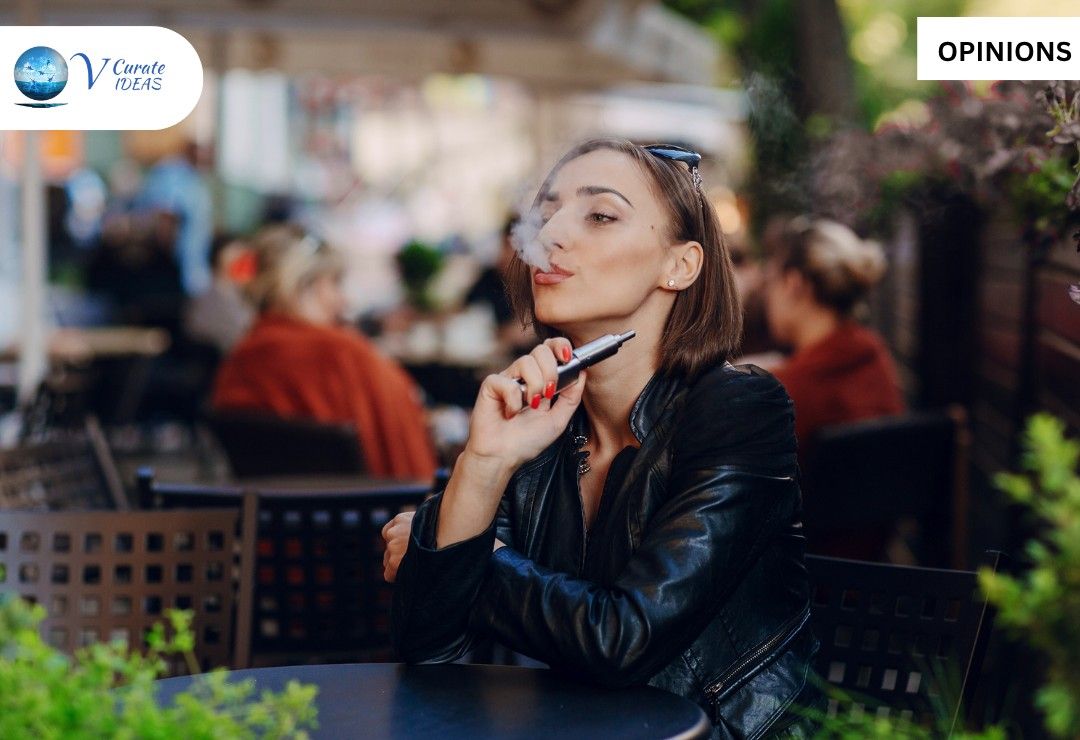
Smoking and vaping debate exploring health risks, personal freedom, addiction concerns, and whether a full ban is justified.
© Copyright 2019 - 2026, All Rights Reserved