Sleep Reset Culture
Why quality sleep is becoming the ultimate productivity trend


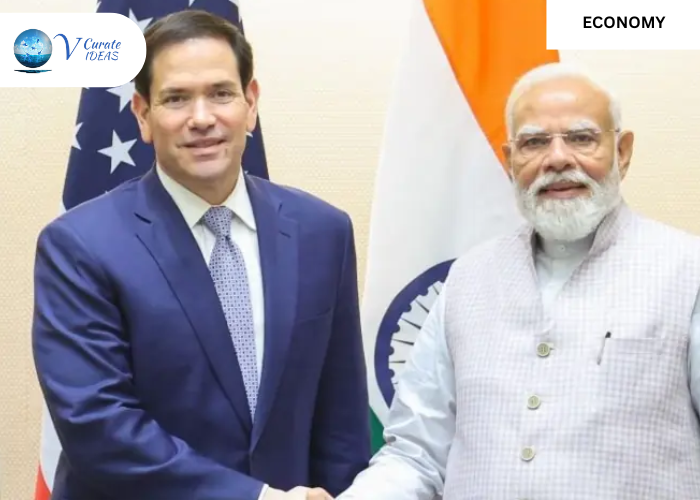
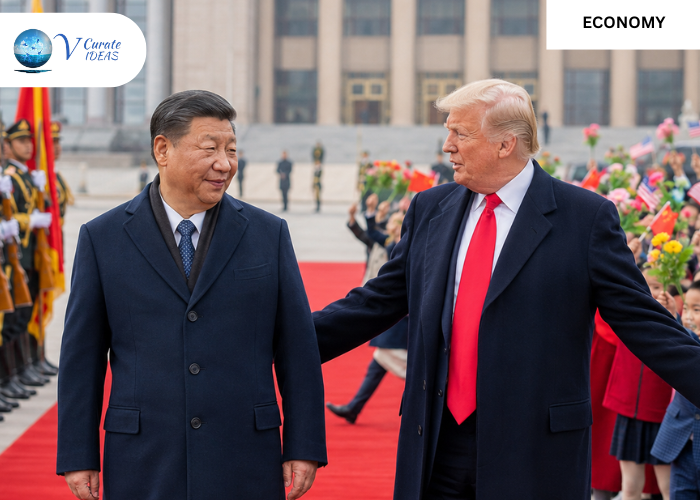
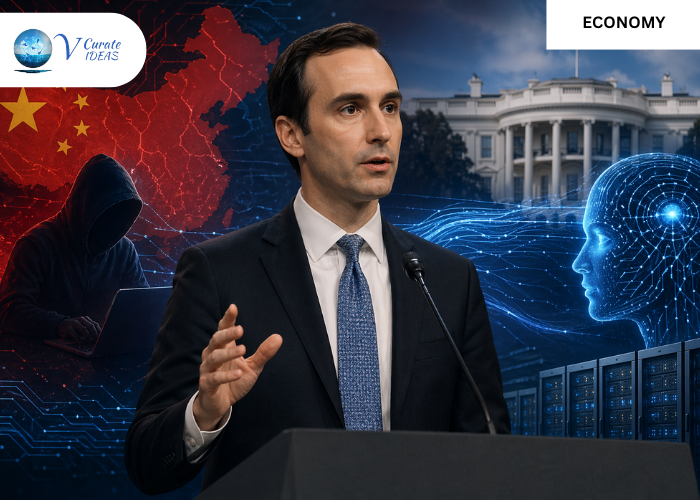
The global economy is showing greater resilience than many economists anticipated, even as geopolitical tensions and inflation continue to challenge financial markets. According to the International Monetary Fund, worldwide economic growth is expected to remain steady through 2026, supported largely by continued investment in artificial intelligence, digital infrastructure, and business innovation. While uncertainty surrounding energy prices and international conflicts remains, stronger-than-expected technology spending has helped soften the economic impact.
Investors are paying close attention to global inflation, central bank policies, and consumer spending patterns, all of which will shape market performance over the coming months. Economists believe countries investing heavily in digital transformation are likely to experience stronger productivity gains than those relying on traditional industries alone. Businesses are also focusing on supply chain resilience after recent geopolitical disruptions highlighted the importance of diversified sourcing strategies.
Although the outlook remains positive overall, experts caution that risks have not disappeared. Escalating conflicts, fluctuating oil prices, and unexpected market corrections could still influence global financial stability. For businesses and consumers alike, the coming months will require adaptability, careful financial planning, and strategic investment decisions. Despite these challenges, the latest forecast reflects growing confidence that innovation, particularly in AI, continues to strengthen the global economy even during periods of uncertainty.

Why quality sleep is becoming the ultimate productivity trend

Build skills that keep your career ahead in an AI driven world

The Rise of Self-Care: A Blessing or a Curse? The Line Between Self-Care and Self-Absorption

Modern travel is becoming more about social media validation, aesthetic content, and posting moments than truly living them.
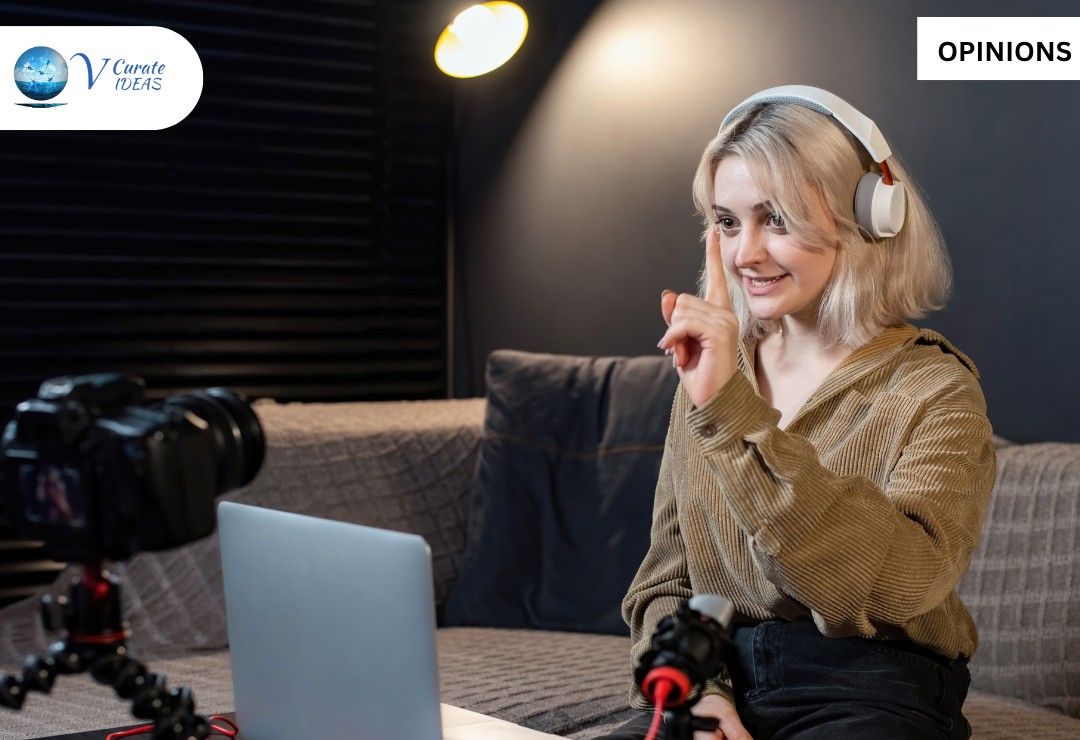
YouTube is more competitive than ever, but small creators can still grow with strategy, consistency, and niche content.

Smoking and vaping debate exploring health risks, personal freedom, addiction concerns, and whether a full ban is justified.
© Copyright 2019 - 2026, All Rights Reserved