Doom Scroll Culture
Why social media comparison feels impossible to escape today.

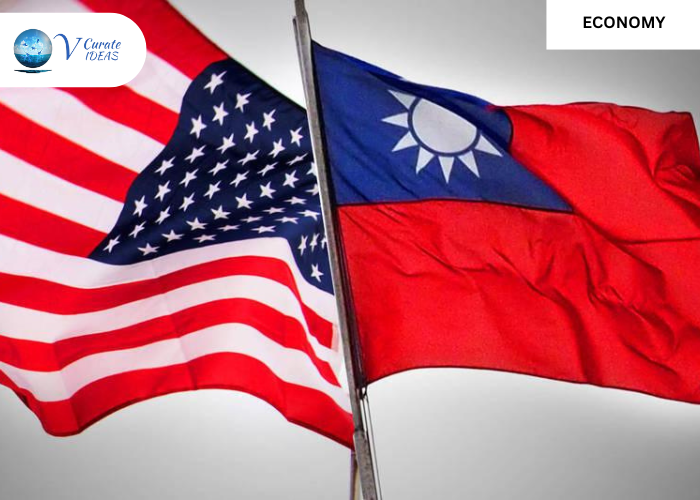
The United States has agreed to reduce tariffs on goods imported from Taiwan to 15 percent following a major investment pledge aimed at strengthening domestic semiconductor production.The US Commerce Department said Taiwanese semiconductor and technology companies have committed to at least $250bn in new direct investments in the United States. The agreement also includes tariff exemptions for Taiwanese chipmakers that expand manufacturing operations on US soil.Boosting domestic chip production has become a strategic priority for Washington after supply chain disruptions during the Covid 19 pandemic exposed heavy reliance on overseas manufacturing. Semiconductor chips are essential components in products ranging from automobiles to smartphones and artificial intelligence systems.
Commerce Secretary Howard Lutnick said the deal would help the US move toward self sufficiency in chip manufacturing, adding that the agreement could encourage more firms across the supply chain to relocate operations to the country. The announcement follows accelerated investment by Taiwan Semiconductor Manufacturing Company, which opened a major fabrication plant in Arizona in 2024. The facility produces chips for leading US technology companies and was supported by billions of dollars in federal subsidies.
In addition to corporate investments, the Taiwanese government is expected to provide up to $250bn in financing support for companies expanding in the US, according to the Commerce Department. The new tariff rate aligns Taiwan with other major US trading partners, including Japan, South Korea, and the European Union. Taiwan had been seeking relief from higher duties imposed last year while remaining cautious about transferring sensitive technological expertise.
The agreement comes as the US semiconductor sector faces ongoing challenges. Despite heavy government support, domestic chipmakers continue to struggle with global competition, and the industry recorded significant job losses last year. The deal marks a significant step in reshaping US trade policy and reinforcing efforts to secure critical technology supply chains.

Why social media comparison feels impossible to escape today.

AI is blurring truth online, making it harder to trust what we see, read, and believe every day.

Kylie brought bold sculpted couture while Kendall chose elegant goddess styling, both creating strong Met Gala 2026 fashion moments.

Dating apps make it easy to meet people, but often reduce emotional depth and real meaningful connection.

Individuals are transforming small projects into full scale ventures.

Modern culture values looking rich over real financial stability, shaping identity, spending habits and mindset today now
© Copyright 2019 - 2026, All Rights Reserved