Sleep Reset Culture
Why quality sleep is becoming the ultimate productivity trend

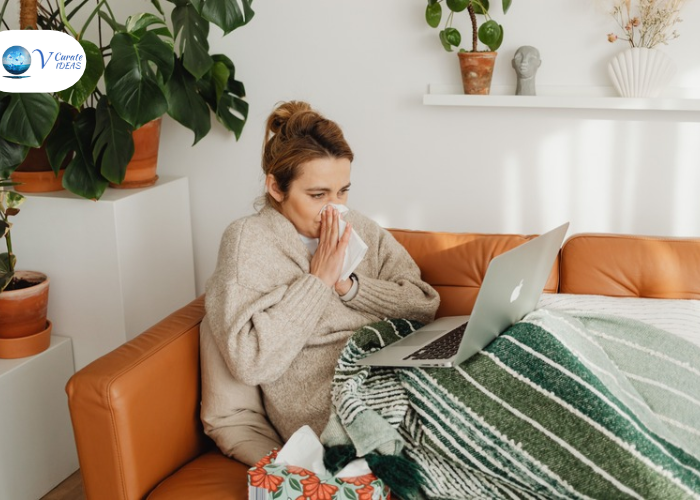
As temperatures cool and people spend more time indoors, respiratory illnesses become an important public health consideration across the United States.
The Centers for Disease Control and Prevention reported on October 23 that seasonal influenza activity remained low nationally but was increasing across multiple surveillance indicators. The report, covering the week ending October 17, found that 5.7% of clinical laboratory specimens tested positive for influenza.
Although these figures do not indicate a nationwide severe outbreak, they suggest that the seasonal flu picture is developing and deserves attention.
Influenza is a contagious respiratory illness that can cause fever, cough, sore throat, fatigue, muscle aches, and other symptoms. Most people recover, but complications can be serious, particularly for older adults, young children, pregnant people, and individuals with certain underlying health conditions.
Flu activity can vary significantly between regions and from one season to another. National figures therefore do not necessarily reflect conditions in every state or community.
The CDC recommends annual flu vaccination for eligible people. Its current guidance states that flu vaccines are available for people aged six months and older, with individual medical considerations determining the most appropriate option.
Other practical measures include washing hands regularly, improving indoor ventilation, covering coughs and sneezes, and staying home when sick where possible.
People experiencing severe symptoms or those at increased risk of complications should contact a healthcare professional for advice. Prescription antiviral treatments may help in certain cases, especially when started early.
Canadians should follow guidance from their provincial or territorial health authorities and the Public Health Agency of Canada. Local recommendations, vaccine availability, and respiratory illness patterns may differ from those in the United States.
Readers should use local public health updates rather than assume that U.S. surveillance figures apply directly to Canadian communities.
Weekly surveillance reports will help clarify whether influenza activity continues to rise, where it is most concentrated, and how patterns change throughout the season.
For now, the message is preparation rather than panic: stay informed, follow appropriate vaccination guidance, and seek professional advice when symptoms or personal health circumstances warrant it.

Why quality sleep is becoming the ultimate productivity trend

Build skills that keep your career ahead in an AI driven world

The Rise of Self-Care: A Blessing or a Curse? The Line Between Self-Care and Self-Absorption

Modern travel is becoming more about social media validation, aesthetic content, and posting moments than truly living them.

YouTube is more competitive than ever, but small creators can still grow with strategy, consistency, and niche content.

Smoking and vaping debate exploring health risks, personal freedom, addiction concerns, and whether a full ban is justified.
© Copyright 2019 - 2026, All Rights Reserved