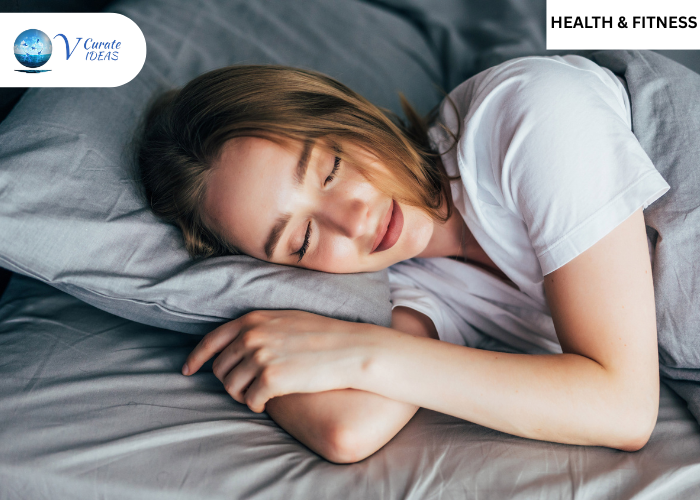
Sleep Reset Culture
Why quality sleep is becoming the ultimate productivity trend

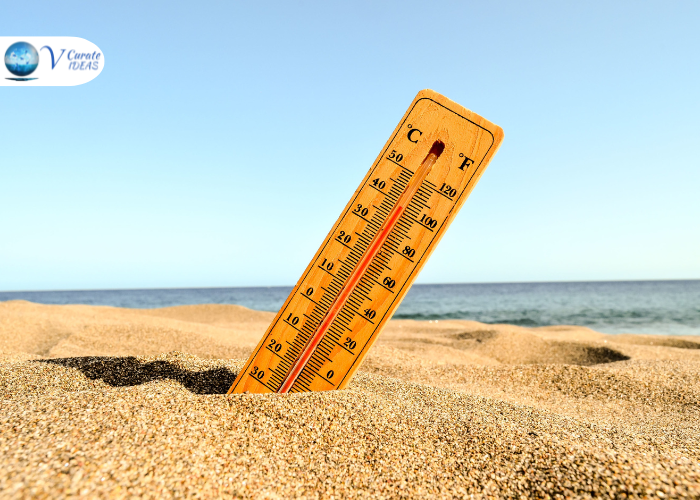
Health authorities across several countries are urging people to take extra precautions as extreme heatwaves continue affecting millions during the summer season. Hospitals have reported a noticeable rise in heat related illnesses, including dehydration, heat exhaustion, and heatstroke, particularly among older adults, young children, and outdoor workers. Public health experts emphasize that prolonged exposure to high temperatures can quickly become dangerous without proper hydration and preventive measures.
Medical professionals recommend staying indoors during the hottest parts of the day, drinking plenty of water, and checking regularly on family members and neighbors who may be more vulnerable to extreme weather. Cities are expanding access to cooling centers while emergency services prepare for additional demand as temperatures remain unusually high. Researchers also continue studying the long term impact of rising temperatures on physical and mental wellbeing.
Climate scientists note that extreme weather events are becoming increasingly common, making public awareness more important than ever. Governments are reviewing emergency response strategies while encouraging communities to adopt simple protective habits. Experts agree that early preparation, public education, and stronger health infrastructure will play an essential role in reducing the growing risks associated with rising global temperatures.

Why quality sleep is becoming the ultimate productivity trend

Build skills that keep your career ahead in an AI driven world
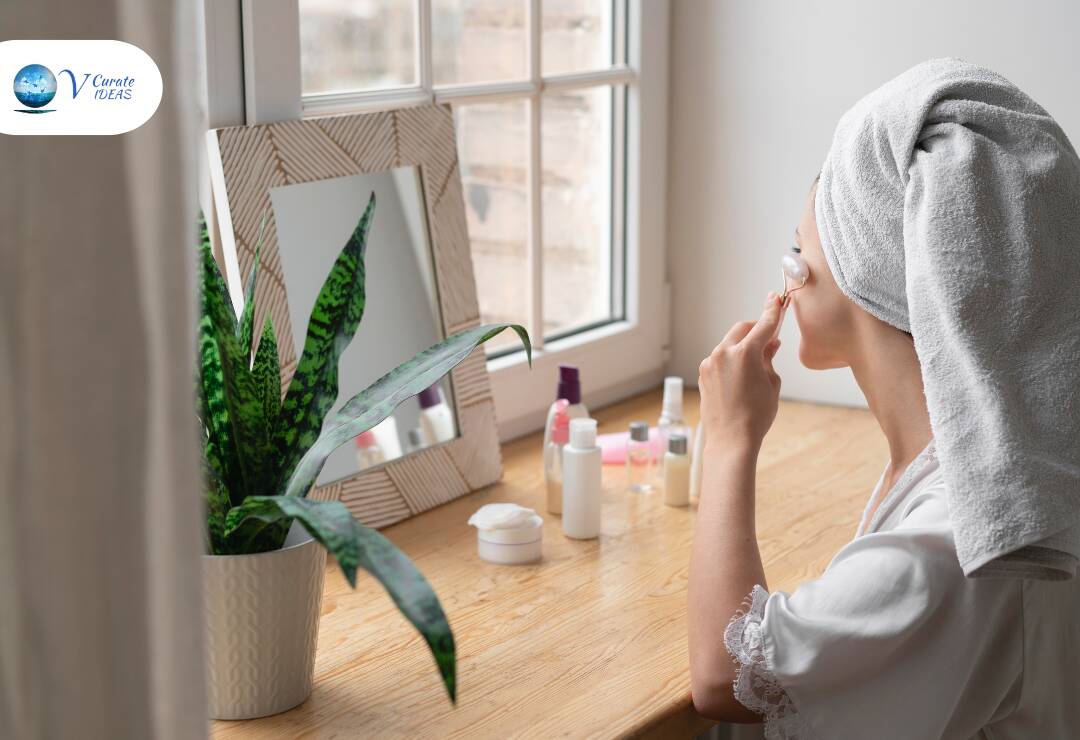
The Rise of Self-Care: A Blessing or a Curse? The Line Between Self-Care and Self-Absorption

Modern travel is becoming more about social media validation, aesthetic content, and posting moments than truly living them.
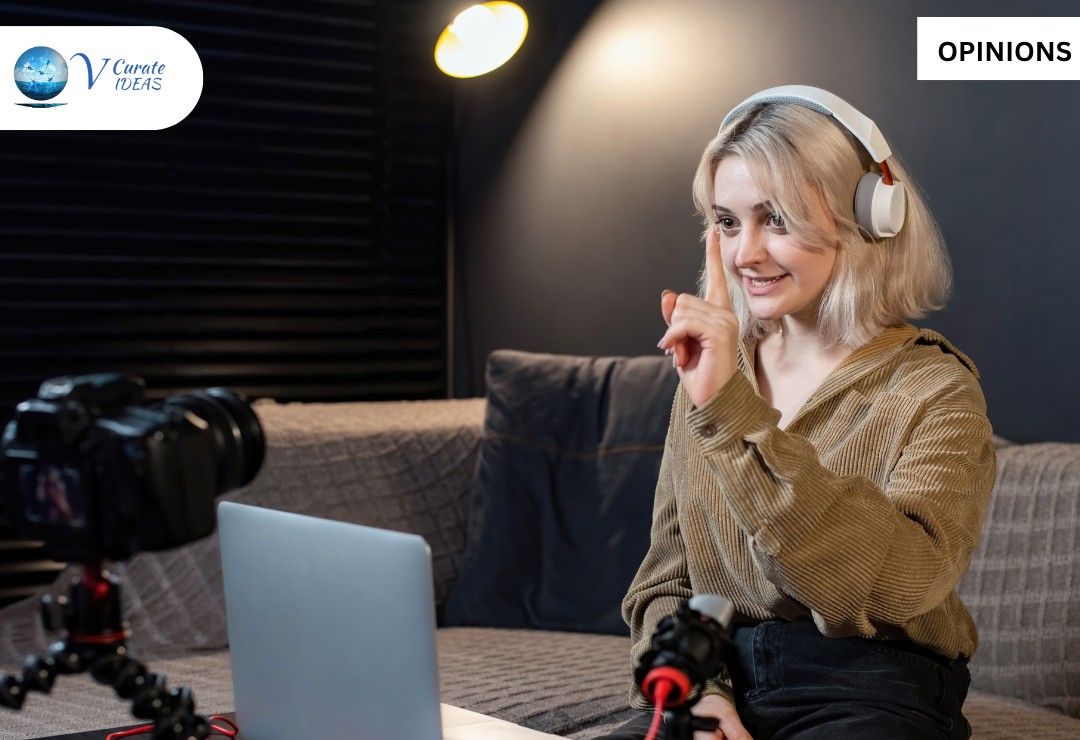
YouTube is more competitive than ever, but small creators can still grow with strategy, consistency, and niche content.

Smoking and vaping debate exploring health risks, personal freedom, addiction concerns, and whether a full ban is justified.
© Copyright 2019 - 2026, All Rights Reserved