Sleep Reset Culture
Why quality sleep is becoming the ultimate productivity trend


As of September 9, there have been 771 confirmed human cases of West Nile virus reported across 39 states in the U.S., according to the latest data from the Centers for Disease Control and Prevention (CDC). Among these, 490 cases are neuroinvasive, indicating severe infections that affect the brain and nervous system. West Nile virus remains the leading mosquito-borne illness in the continental United States. While infections typically occur during the summer and early fall, experts warn that a warming climate is extending mosquito season, increasing the risk of transmission. Public health officials emphasize that the season is far from over. Massachusetts, which recently confirmed two new cases, has urged residents to remain vigilant. “Infections can continue to occur until the first hard frost, which is likely still weeks away,” said the state’s public health commissioner. To reduce the risk of infection, officials recommend using mosquito repellent, wearing long sleeves and pants, and eliminating standing water around homes where mosquitoes breed.
Symptoms of West Nile virus often resemble the flu, including fever, nausea, vomiting, chills, and occasionally rash. Most people infected do not develop symptoms, but serious neuroinvasive illness occurs in less than 1 in 150 cases, leading to inflammation of the brain and spinal cord membranes. There is currently no specific treatment or vaccine for West Nile virus, making prevention critical. Those most at risk include older adults and people with weakened immune systems. The CDC’s ArboNET system continues to track cases nationwide, with updates released bi-weekly. Health authorities encourage the public to stay informed and take precautions as mosquito activity and infections persist.

Why quality sleep is becoming the ultimate productivity trend

Build skills that keep your career ahead in an AI driven world
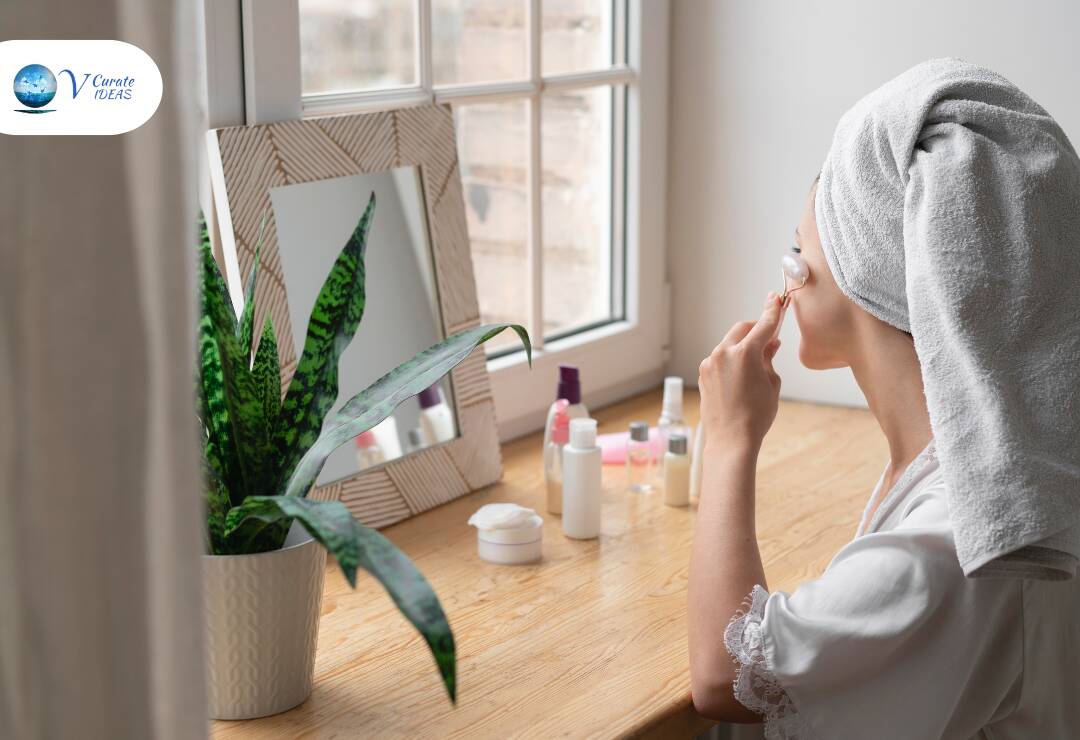
The Rise of Self-Care: A Blessing or a Curse? The Line Between Self-Care and Self-Absorption

Modern travel is becoming more about social media validation, aesthetic content, and posting moments than truly living them.
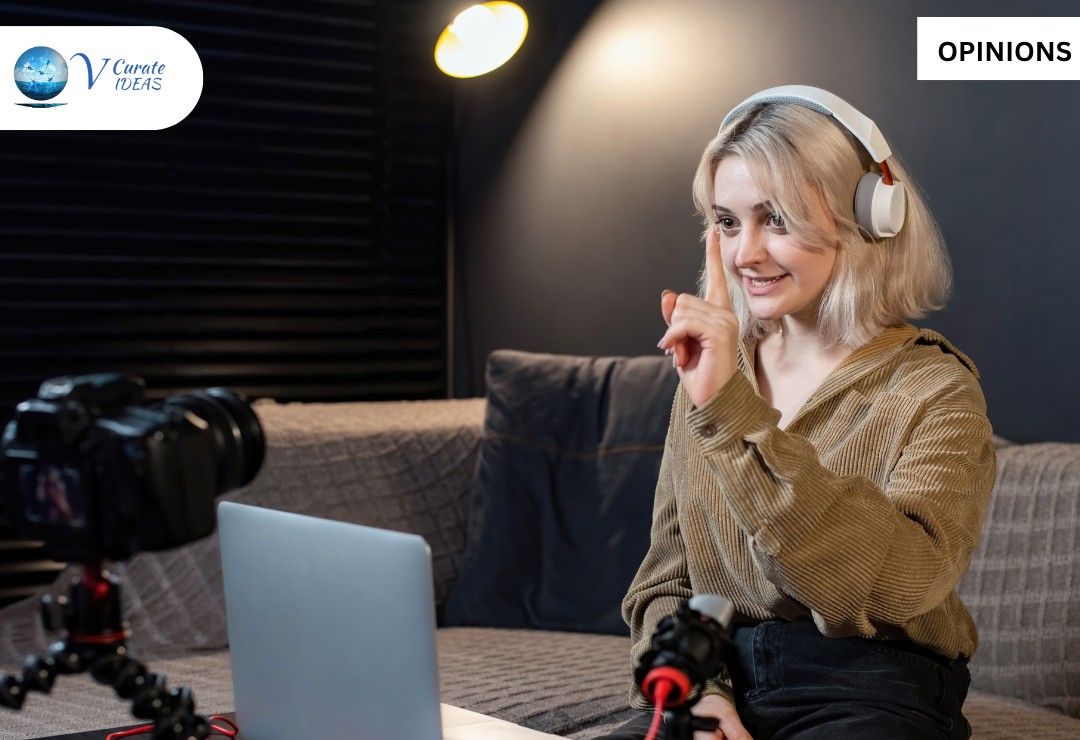
YouTube is more competitive than ever, but small creators can still grow with strategy, consistency, and niche content.

Smoking and vaping debate exploring health risks, personal freedom, addiction concerns, and whether a full ban is justified.
© Copyright 2019 - 2026, All Rights Reserved