Sleep Reset Culture
Why quality sleep is becoming the ultimate productivity trend


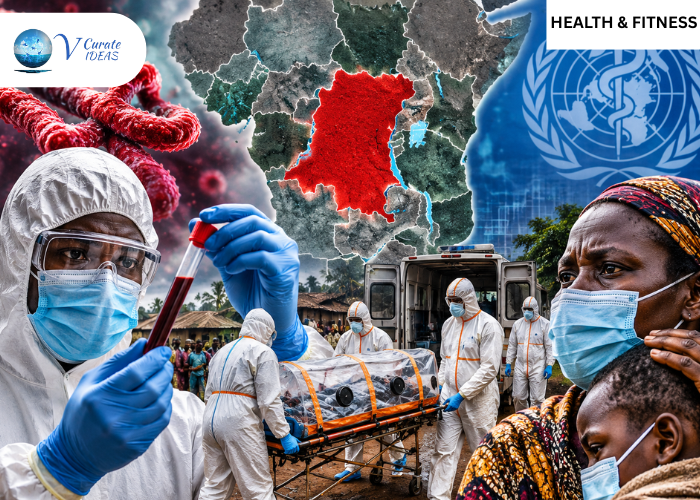
Health officials in New York City have confirmed that a Legionnaires’ disease outbreak in Central Harlem has grown to 90 reported cases, including three deaths. The illness, a severe type of pneumonia caused by Legionella bacteria, is believed to be linked to contaminated mist released from local building cooling towers. Cooling towers, which sit atop large buildings to regulate temperature, operate by releasing water vapor into the air. If this water becomes stagnant, warm, or is not adequately disinfected, Legionella bacteria can multiply. People can become infected by inhaling tiny droplets containing the bacteria.
In response, the city’s Department of Health has proposed new regulations to strengthen testing and maintenance requirements for cooling towers. The measures include fixed testing intervals, mandatory use of state-certified laboratories for water sampling, and financial penalties for noncompliance. While current penalties range between $500 and $2,000, the proposed updates could include stricter enforcement and higher fines, although exact amounts have yet to be disclosed. The Department of Health stated that these rules had been in development prior to the current outbreak. However, enforcement could be challenging: city data reveals that 2024 saw the lowest number of cooling tower inspections on record, with fewer than half as many as in 2017, the first year such inspections were tracked.
All operable cooling towers in the affected Central Harlem area have now been tested, and those that returned positive results for Legionella were ordered to undergo immediate cleaning, which the department says has been completed.
Legionnaires’ disease often presents with flu-like symptoms, including cough, fever, muscle aches, headaches, and shortness of breath. Without prompt antibiotic treatment, it can cause severe complications such as respiratory failure, sepsis, or multi-organ failure. The disease is particularly dangerous for older adults, smokers, and people with weakened immune systems. According to global health experts, about 10% of those infected die from the disease’s complications, making rapid detection and treatment critical. The current outbreak serves as a reminder of the importance of regular cooling tower maintenance and effective oversight to prevent similar health emergencies.

Why quality sleep is becoming the ultimate productivity trend

Build skills that keep your career ahead in an AI driven world

The Rise of Self-Care: A Blessing or a Curse? The Line Between Self-Care and Self-Absorption

Modern travel is becoming more about social media validation, aesthetic content, and posting moments than truly living them.

YouTube is more competitive than ever, but small creators can still grow with strategy, consistency, and niche content.

Smoking and vaping debate exploring health risks, personal freedom, addiction concerns, and whether a full ban is justified.
© Copyright 2019 - 2026, All Rights Reserved