Sleep Reset Culture
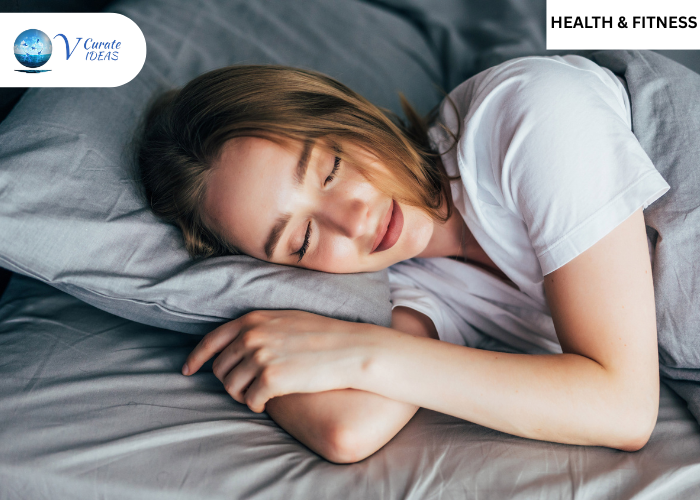
Why quality sleep is becoming the ultimate productivity trend


A widely used anti-allergy nasal spray containing azelastine has been shown to significantly reduce the risk of SARS-CoV-2 infection, according to a new clinical study conducted by researchers at Saarland University. The placebo-controlled trial, published in JAMA Internal Medicine, involved 450 healthy participants and demonstrated that the nasal spray lowered infection rates by about two-thirds.
Led by Professor Robert Bals, the randomized, double-blind study divided participants into two groups: 227 individuals received azelastine nasal spray three times daily for 56 days, while 223 used a placebo spray with the same frequency. Results showed only 2.2% of the azelastine group became infected with COVID-19, compared to 6.7% in the placebo group. Infections were confirmed by PCR tests.
Beyond reducing COVID-19 infections, the azelastine group also experienced fewer symptomatic cases and a lower incidence of other respiratory infections, including rhinovirus, which causes common colds. Professor Bals highlighted that azelastine, widely available over the counter as a hay fever treatment, had previously demonstrated antiviral properties in laboratory studies, but this trial is the first to confirm its protective effect in real-world use.
Bals emphasized the potential for azelastine nasal spray to serve as an accessible, additional preventive measure alongside vaccines and masks, particularly for vulnerable populations or during periods of high infection rates. However, he called for larger, multicenter studies to further evaluate its preventive benefits and efficacy against other respiratory viruses. The study involved multiple institutions, including the Institute of Clinical Pharmacy and the Institute of Virology, and was sponsored by pharmaceutical company URSAPHARM Arzneimittel GmbH, which manufactured the nasal spray used in the trial.

Why quality sleep is becoming the ultimate productivity trend

Build skills that keep your career ahead in an AI driven world
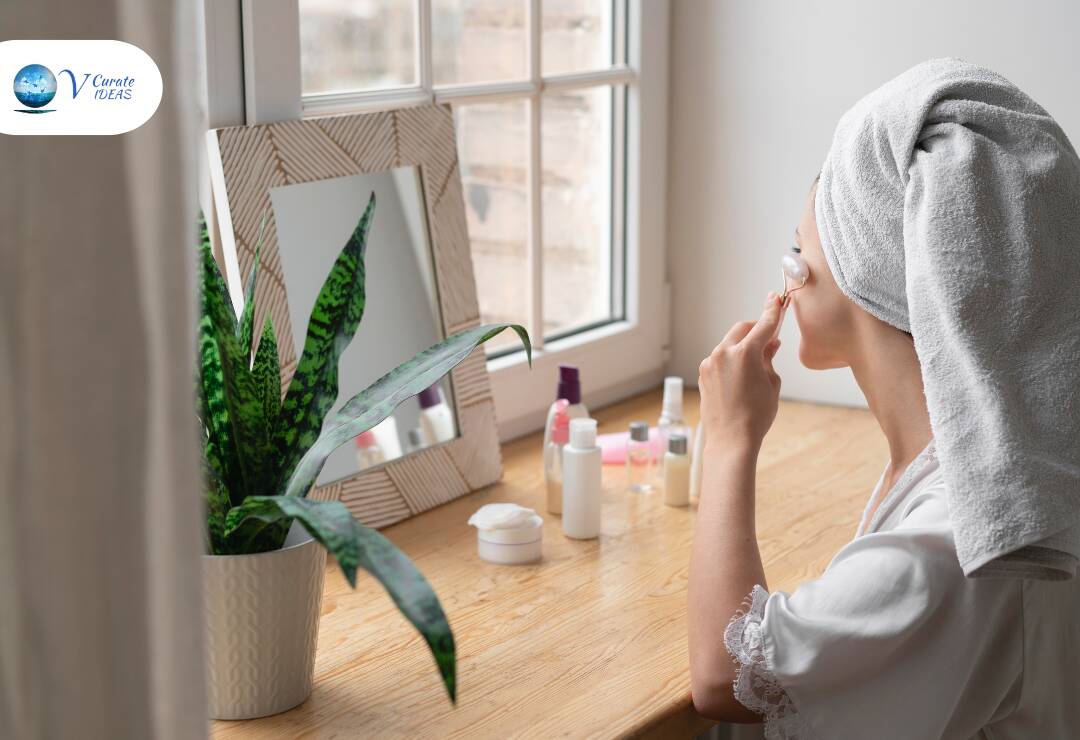
The Rise of Self-Care: A Blessing or a Curse? The Line Between Self-Care and Self-Absorption

Modern travel is becoming more about social media validation, aesthetic content, and posting moments than truly living them.
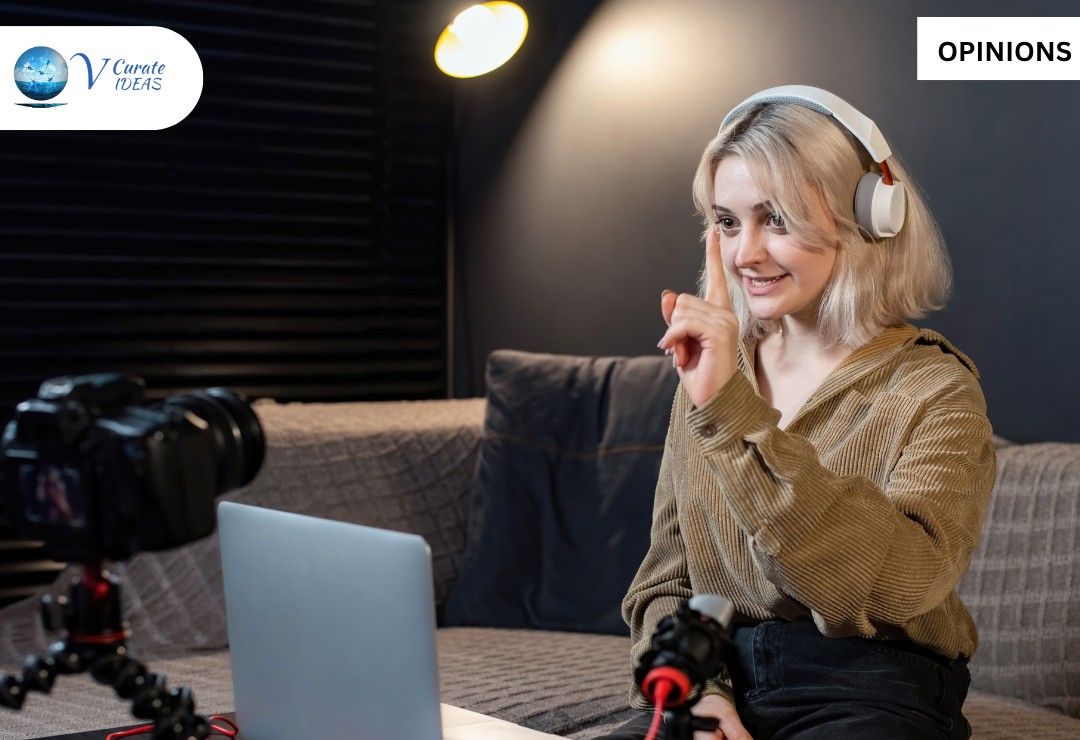
YouTube is more competitive than ever, but small creators can still grow with strategy, consistency, and niche content.
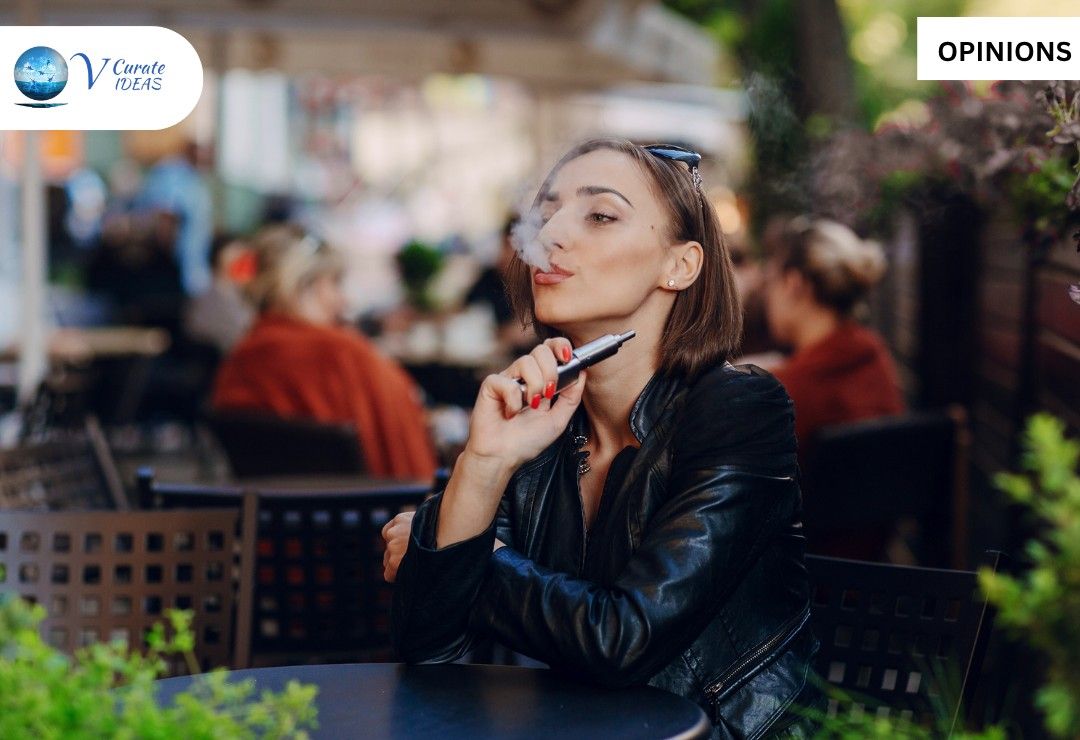
Smoking and vaping debate exploring health risks, personal freedom, addiction concerns, and whether a full ban is justified.
© Copyright 2019 - 2026, All Rights Reserved