Sleep Reset Culture
Why quality sleep is becoming the ultimate productivity trend

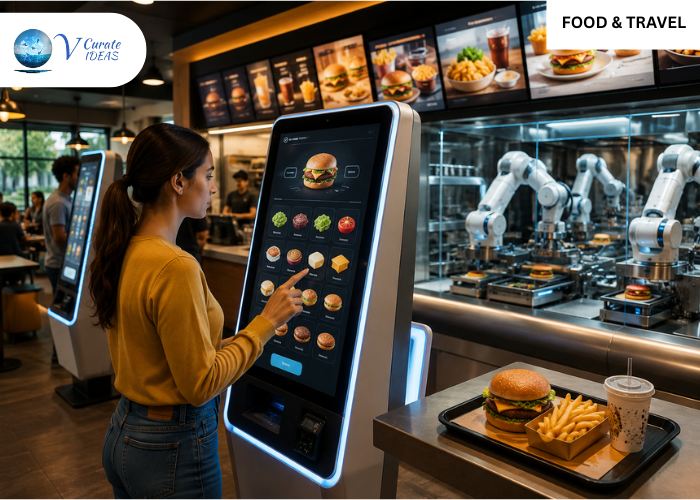
In a major shift for the global food industry, fast food chains across multiple countries are rolling out AI-powered custom meal ordering systems, marking one of the biggest technological changes in modern dining. The new system uses artificial intelligence to create fully personalized meal suggestions based on customer behavior, preferences, and dietary needs.
The concept of AI meal customization allows customers to order food through smart kiosks, mobile apps, or voice assistants that no longer rely on static menus. Instead, the system analyzes user inputs such as taste preference, budget, health goals, and previous orders to generate tailored meal combinations in seconds. This makes the ordering process faster, simpler, and more personalized than traditional menu selection.
According to early deployments, several major fast food brands have begun testing the technology in the United States, Japan, South Korea, and parts of Europe and the Middle East. In these locations, customers can interact with AI-driven digital kiosks that suggest meals like “high-protein burger combos,” “low-calorie wraps,” or “spicy customized meals” depending on user profiles.
One of the key features of this system is predictive recommendation technology, where the AI not only responds to customer choices but also anticipates them. For example, it may suggest a meal based on the time of day, weather conditions, or past eating habits. This creates a more dynamic and responsive dining experience that feels highly personalized.
The technology is also being integrated into smart kitchen systems, where robotic cooking units and automated preparation lines help speed up food delivery. Orders placed through AI systems are sent directly to kitchen automation tools, reducing human error and improving efficiency during peak hours.
However, the rise of AI-powered food ordering has also raised concerns. Critics point to issues such as data privacy, since the system collects detailed information about eating habits and preferences. There are also ongoing debates about job displacement, as automation reduces the need for traditional cashier roles in fast food outlets.
Despite these concerns, the trend continues to grow rapidly due to its convenience and innovation. Experts believe AI in food service is not just a temporary experiment but a long-term transformation of how people interact with restaurants. The combination of speed, personalization, and automation is expected to redefine the fast food industry in the coming years.

Why quality sleep is becoming the ultimate productivity trend

Build skills that keep your career ahead in an AI driven world

The Rise of Self-Care: A Blessing or a Curse? The Line Between Self-Care and Self-Absorption

Modern travel is becoming more about social media validation, aesthetic content, and posting moments than truly living them.

YouTube is more competitive than ever, but small creators can still grow with strategy, consistency, and niche content.

Smoking and vaping debate exploring health risks, personal freedom, addiction concerns, and whether a full ban is justified.
© Copyright 2019 - 2026, All Rights Reserved