Sleep Reset Culture
Why quality sleep is becoming the ultimate productivity trend

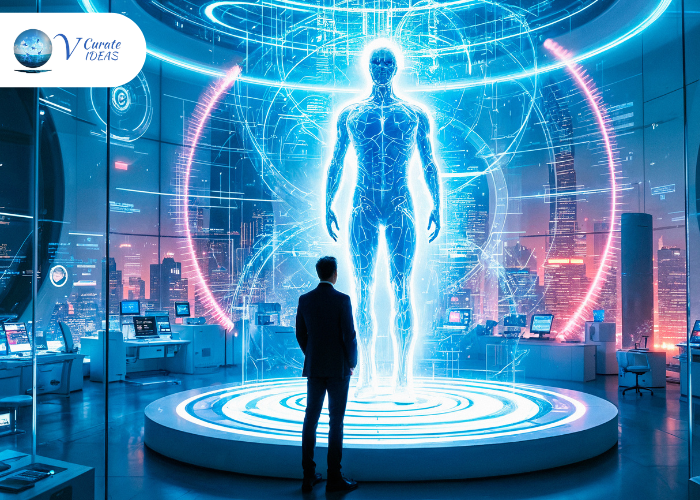
In the modern era, technology advancements are transforming nearly every aspect of human life, but one of the most groundbreaking areas of progress is human longevity. From medical innovation to artificial intelligence in healthcare, scientists and researchers are now closer than ever to extending not just lifespan, but also healthspan the number of years a person lives in good health.
This shift is redefining what it means to age, and it is opening a future where humans may live longer, healthier, and more productive lives than ever before.
One of the biggest drivers of human lifespan extension is modern medical technology. Breakthroughs in diagnostics, treatment, and prevention are helping detect diseases earlier and treat them more effectively. Advanced tools like MRI imaging, genetic testing, and robotic surgery allow doctors to identify health risks before they become life-threatening. Early detection of diseases such as cancer, heart disease, and diabetes significantly increases survival rates. In addition, minimally invasive surgeries reduce recovery time, allowing patients to heal faster and maintain better long-term health.
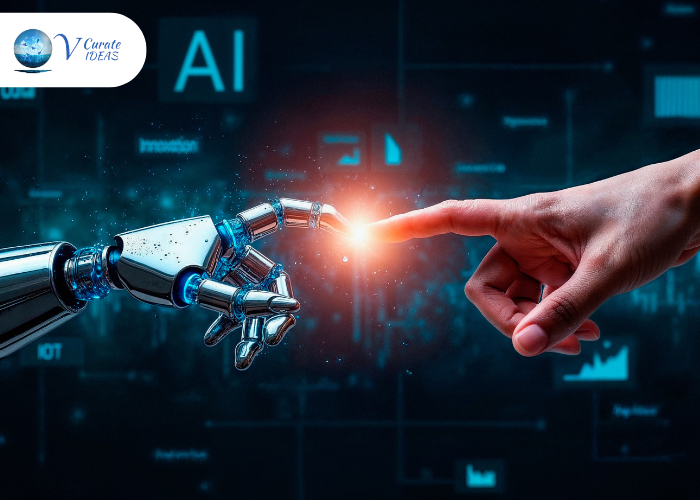
The rise of Artificial Intelligence (AI) in healthcare is one of the most powerful forces behind increasing longevity science. AI systems can analyze massive amounts of medical data to detect patterns that humans may miss. This includes predicting diseases before symptoms appear, recommending personalized treatments, and improving diagnostic accuracy.
For example, AI-powered health monitoring apps and wearable devices can track heart rate, sleep quality, oxygen levels, and stress helping individuals make smarter lifestyle decisions in real time.
This shift from reactive to predictive healthcare is a major leap toward longer and healthier lives.
Another major breakthrough in life extension research is biotechnology. Scientists are now studying how genes influence aging and how they can be modified to slow down the aging process. Techniques like CRISPR gene editing are being explored to repair damaged DNA, which could reduce age-related diseases and improve overall cellular health. In the future, regenerative medicine may allow humans to replace damaged organs with lab-grown ones, drastically increasing survival rates and quality of life.
Devices like smartwatches and fitness trackers are becoming essential tools in modern healthcare. These wearable technologies continuously monitor:
By providing real-time data, they help individuals adopt healthier lifestyles and prevent chronic diseases before they develop.
This form of preventive healthcare is one of the most accessible ways technology is extending everyday human life.
Pharmaceutical innovation is also playing a key role in extending human lifespan. Researchers are developing drugs that target the aging process itself rather than just treating symptoms. These include anti-aging compounds, cell regeneration therapies, and treatments that reduce inflammation at a cellular level. Clinical trials in longevity science are exploring how to slow down biological aging, potentially adding decades to human life in the future.
Modern nutritional science powered by AI is changing how people approach diet and health. Personalized nutrition plans based on DNA, metabolism, and lifestyle are becoming more common. Instead of generic diets, individuals now receive data-driven nutrition guidance, improving energy levels, immunity, and long-term health outcomes. This personalized approach helps reduce lifestyle-related diseases and supports longer, healthier living.
The future of human longevity is no longer just a scientific dream it is becoming a reality driven by technology advancements, AI healthcare, biotechnology, and preventive medicine. As innovation continues, the focus is shifting from simply adding years to life to adding life to years. The combination of science, data, and innovation is creating a future where humans may not only live longer but live better.

Why quality sleep is becoming the ultimate productivity trend

Build skills that keep your career ahead in an AI driven world

Elon Musk is famous for being an environmental entrepreneur and businessman. Let's take a survey to know why is he so famous :)

This survey is aimed at knowing the way social media is affecting our youth in both positive and negative ways.

Gen Z fashion increasingly seems less interested in looking expensive

Gen Z talks about money more openly than previous generations.
© Copyright 2019 - 2026, All Rights Reserved