Sleep Reset Culture
Why quality sleep is becoming the ultimate productivity trend

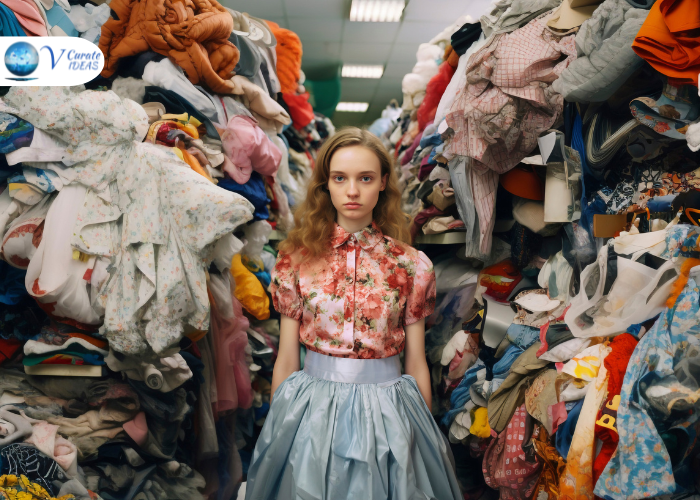
Fashion trends have always moved quickly, but the pace today feels almost impossible to keep up with. New collections appear every week, social media introduces fresh outfit inspiration every day, and countless influencers showcase styles that instantly become must have purchases. While this constant cycle keeps fashion exciting, it has also encouraged many people to question whether buying more actually leads to greater satisfaction. Conversations around sustainable fashion and ethical clothing brands are becoming increasingly common because consumers are starting to think beyond the latest trend.
One noticeable shift is that younger shoppers are paying closer attention to quality rather than quantity. Instead of filling closets with inexpensive items that may only be worn a few times, many people are building smaller wardrobes with versatile pieces that last longer. The idea of a capsule wardrobe has become appealing because it simplifies everyday decisions while reducing unnecessary purchases. Rather than chasing every viral trend, shoppers are learning that personal style often outlasts temporary popularity.
Social media has played an interesting role in this movement. It helped accelerate fast fashion, but it is also encouraging awareness about responsible shopping. Videos explaining clothing production, textile waste, and creative styling ideas have inspired people to rethink buying habits. Many creators now share ways to restyle existing outfits instead of constantly promoting new purchases. Affordable sustainable fashion is no longer viewed as unrealistic because more brands are offering accessible alternatives that balance price with responsible production.
Another growing trend is the popularity of secondhand shopping. Vintage stores, resale platforms, and clothing swaps have become part of mainstream fashion culture. What was once considered a budget friendly option is now viewed as a smart way to discover unique pieces while reducing waste. Shopping pre owned clothing often allows people to express individuality instead of wearing the same items everyone else purchased after seeing a viral post. Secondhand fashion trends continue to grow because they combine creativity, affordability, and environmental awareness.
Of course, fast fashion is unlikely to disappear completely. It remains convenient and affordable for many people. Budget limitations are real, and not everyone has equal access to premium alternatives. The discussion should not focus on perfection but on making thoughtful choices whenever possible. Even buying fewer items, wearing clothes longer, repairing damaged pieces, or donating unwanted clothing can make a meaningful difference over time.
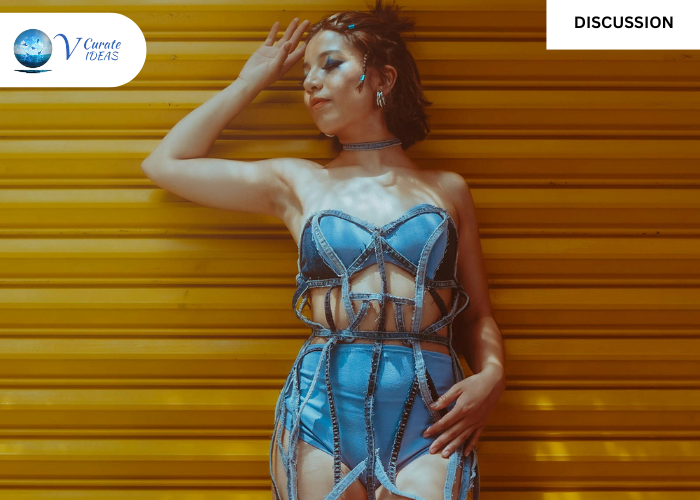
Fashion has always been a form of self expression, and that will never change. What seems to be changing is the definition of style itself. More people are beginning to value authenticity, quality, and intentional shopping over constant consumption. Looking fashionable no longer has to mean buying something new every week. Sometimes the most stylish choice is simply appreciating what you already own and finding creative ways to make it feel new again.
Do you think sustainable fashion will eventually become the standard, or will fast fashion always dominate because of convenience and price?

Why quality sleep is becoming the ultimate productivity trend

Build skills that keep your career ahead in an AI driven world
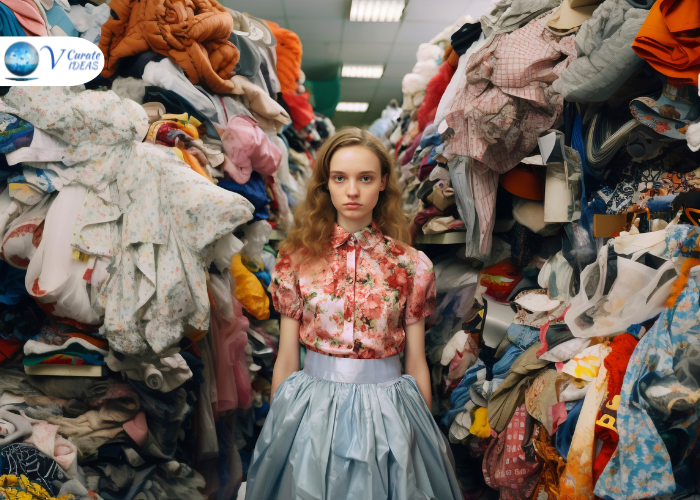
Discover why personal style is replacing fast fashion as the new trend for confident everyday choices

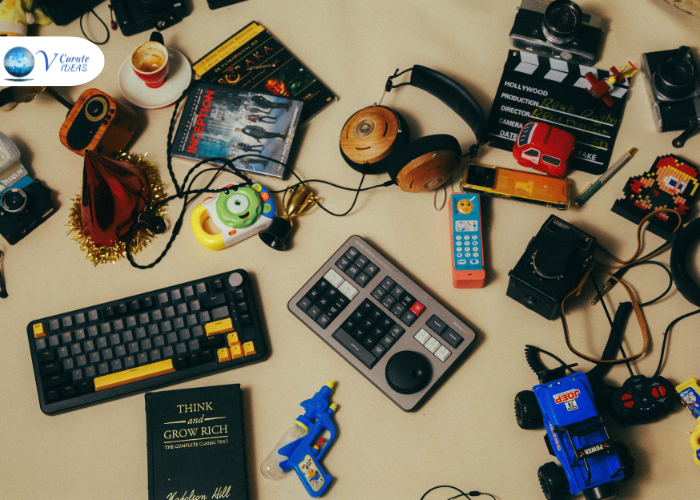
Explore subscription fatigue streaming apps costs and how digital habits are shifting online today

Elon Musk is famous for being an environmental entrepreneur and businessman. Let's take a survey to know why is he so famous :)

This survey is aimed at knowing the way social media is affecting our youth in both positive and negative ways.
© Copyright 2019 - 2026, All Rights Reserved







Participant Comments