Sleep Reset Culture
Why quality sleep is becoming the ultimate productivity trend


Written By Sidra Gul
Animal testing in cosmetics uses non-human subjects to examine the variables which could exist when specific products are applied. The goal of this process is to ensure the safety of humanity when new cosmetics are developed. It comes, however, at the expense of guaranteeing the safety of animals. Even with an emphasis in place to stop animal testing in all its forms, it is believed that over 100 million animals are used for research purposes on the average year. Mice, rats, fish, amphibians, and reptiles comprise about 85% of the animal testing population.
Animal rights campaigners may have convinced many fashion houses and fashionistas to shun fur, but snake, crocodile and lizard skins are still hot commodities. In the last few seasons they’ve made a comeback onto the runways of Paris, London and New York. These products are big earners for luxury brands. A designer snakeskin bag can fetch three times more than one made from cow leather. Yet the likes of Chanel and Victoria Beckham have banned them from their collections, and high-end retailers such as Selfridges have said they will no longer stock products made from exotic skins.
If we talk about the advantages of cosmetic testing on animals, If animal testing were not available, then there would be no way to test the safety of a product on organic tissues before applying it to humans. Educated guesses are not good enough for companies that must deal with legal liabilities if their products harm customers. Trial and error exercises are permitted within this type of research, which makes it possible to create advancements which benefit people. Almost every major advancement humanity made in the field of medicine and product development relied on animal testing in some way.
People can run computer simulations and make their own projections, but this information does not substitute for actual testing. Animals are the next closest level of life on our planet, so if someone operates off the idea that human life is valued higher than animal life, testing is a logical outcome because it prevents harm to people. Untested cosmetics could be immediately harmful when applies, so animal testing verifies whether or not an item is suitable for further development or introduction to the market.
By testing the viability of the cosmetics before going to human testing, a safer product is development by manufacturers. Although cosmetics aren’t like drug tests that could be immediately harmful to an animal or a person during the initial evaluation phases, unplanned outcomes do not bear the same legal responsibility with an animal test as they would a human test. This process is the only viable way to determine how a chemical reacts when used in a realistic way.
Though the composition of animals is not entirely similar to that of human beings, it will still suffice for research to use on tests and see how beauty products would work on people. While there are certain inherent limitations to this practice, it is currently the best method until medical technology develops further.
In their defence, Organizations that are taking part in animal testing on cosmetic have had a competitive edge over those that refuse to do it. Also, they feel that the method is allowing them to safeguard the environment. Animal research is strictly regulated by state and federal laws and guidelines, as well the 1966 Animal Welfare Act (AWA), which stipulates minimum housing standards for lab subjects and requires regular inspections by veterinarians. Moreover, all proposals involving the use of animals for research require the approval of the Institutional Animal Care and Use Committee (IACUC) that was set up by the research facilities themselves.
Nonetheless, during the tests, it is highly possible that animals would experience inhumane treatment, where they are being restrained. One good example of this case is the Draize Test, where the eyelids of the test rabbits are being held back for at least 3 days during the test, causing them pain and discomfort. It is because of this aspect that animal testing has received an enormous amount of criticism, not just in the UK, but also all around the world.
While there are tests that are painless, where animals are being returned to wherever they are taken from afterwards, this is not always the case in all trials. Keep in mind that there some animals that are killed immediately after each trial, and in some cases, they suffer from chemical poisoning or injuries, forcing them to live the rest of their lives in captivity.
In contrast to cosmetic testing, the use of animals for their skin to manufacture bags and other luxury products is highly controversial and many animal protection organizations have stood up for their rights. Most leather produced and sold in the U.S. is made from the skins of cattle and calves, but leather is also made from sheep, lambs, goats, and pigs. Other species are hunted and killed specifically for their skins, including zebras, bison, kangaroos, elephants, crocodiles, alligators, ostriches, lizards, and snakes.
Other “exotic” animals, such as alligators and crocodiles, are factory-farmed for their skins and meat. The young reptiles are often kept in tanks above ground, while bigger animals live in pools half-sunken into concrete slabs. According to Florida’s regulations, it is legal to put as many as 350 6-foot alligators into a space the size of a typical family home. The industry is so large and unregulated in that state that alligators and eggs are often poached for high prices. One Georgia farmer had 10,000 alligators living in four buildings, where, according to the Los Angeles Times, “[h]undreds and hundreds of alligators fill every inch of [each] room.”
For those who consider animal slaughtering for this purpose unethical, there are many alternatives to leather, including cotton, linen, rubber, ramie, canvas, and synthetics. Chlorenol (called “Hydrolite” by Avia and “Durabuck” by Nike) is a material that is perforated for breathability and is used in athletic and hiking shoes. It stretches around the foot with the same “give” as leather, provides good support, and is machine-washable.
Leather alternatives can be found just about anywhere you might shop. But some places, such as discount shoe and variety stores, offer larger selections. Designers such as Liz Claiborne, Capezio, Sam & Libby, Steve Madden, and Nike offer an array of nonleather handbags, wallets, and shoes.
Sidra Gul is an ardent reader and a vivid writer, Sidra likes to breathe life into everything she pens down

Why quality sleep is becoming the ultimate productivity trend

Build skills that keep your career ahead in an AI driven world
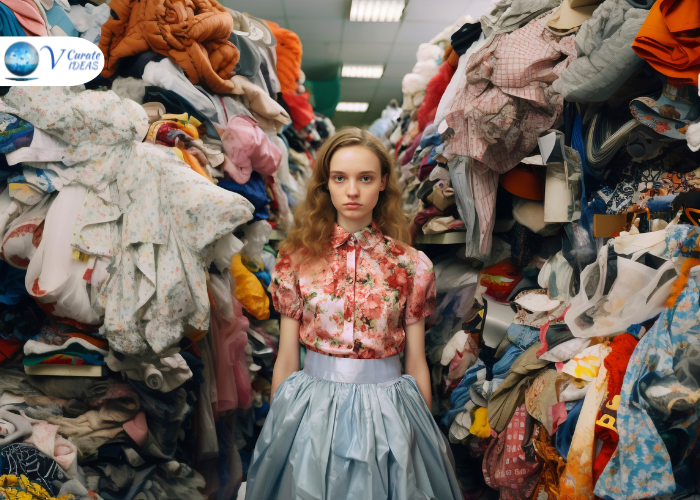
Discover why personal style is replacing fast fashion as the new trend for confident everyday choices

Explore subscription fatigue streaming apps costs and how digital habits are shifting online today

Elon Musk is famous for being an environmental entrepreneur and businessman. Let's take a survey to know why is he so famous :)

This survey is aimed at knowing the way social media is affecting our youth in both positive and negative ways.
© Copyright 2019 - 2026, All Rights Reserved









Participant Comments