Rabbit R1 Review
The AI Gadget That Wants to Replace Your Smartphone

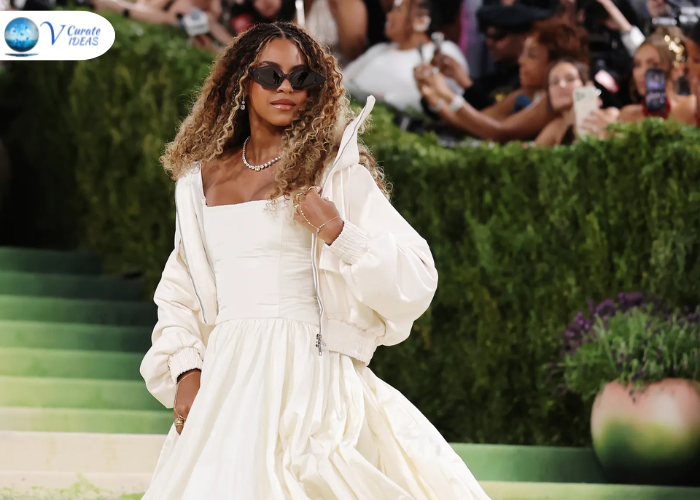
In today’s internet driven culture, fame moves faster than ever. A single appearance, a viral performance, or one unforgettable red carpet moment can instantly shape public perception. Yet very few young public figures have created the level of fascination surrounding Blue Ivy Carter. Before even reaching her teenage years, she had already become a recognizable symbol of style, influence, confidence, and cultural relevance.
What makes her story different is that her popularity does not feel accidental. From carefully curated public appearances to standout moments alongside her parents, Blue Ivy Carter has evolved into more than just a celebrity child. She has become a modern cultural brand that people across music, fashion, entertainment, and social media continue to watch closely.
Being the daughter of global music icons naturally placed Blue Ivy Carter into public conversations from the beginning. However, celebrity status alone does not guarantee influence. Many celebrity children appear briefly in headlines and disappear from public attention. Blue Ivy’s rise feels different because her image has been built with intention and balance.
Her parents created a rare strategy around visibility. Instead of constant exposure, the public sees carefully selected moments that instantly trend online. Whether it is a stage appearance, an award show moment, or a fashion statement, every appearance feels meaningful. This approach created curiosity rather than overexposure, which is one reason why celebrity kids culture continues to center around her name.
In the age of nonstop content, mystery has become powerful again.
One reason Blue Ivy Carter resonates with younger audiences is authenticity. Even within luxury settings and high profile events, she often appears calm, expressive, and confident in ways that feel natural rather than overly rehearsed.
Gen Z audiences tend to connect with personalities who feel real despite massive fame. Blue Ivy’s public moments often go viral because they feel relatable. Small reactions, dance clips, and interactions with family become internet conversations because audiences see personality rather than performance.
This is where the shift happens from celebrity child to Gen Z cultural icon.
Young audiences today value individuality, confidence, and quiet influence more than traditional celebrity perfection. Blue Ivy represents a softer, more modern version of fame that aligns closely with current internet culture.
Fashion played a major role in building the public identity of Blue Ivy Carter. Her appearances consistently spark discussions across social platforms, fashion blogs, and entertainment media. From luxury gowns to coordinated family looks, her style presence has become impossible to ignore.
Unlike older celebrity culture where children were often styled as extensions of their parents, Blue Ivy’s fashion identity feels distinct. People analyze her outfits not simply because of the designers involved, but because she carries a visible sense of confidence.
This has helped position her within conversations around youth fashion trends, celebrity fashion influence, and modern luxury culture.
Fashion today is deeply connected to online identity. For Gen Z audiences, clothing is more than appearance. It represents mood, personality, and self expression. Blue Ivy naturally fits into that conversation.
Even though Blue Ivy does not maintain a personal public social media presence, she remains one of the most discussed young personalities online. That says a lot about how modern fame works.
Every public moment becomes content. Dance performances circulate across TikTok. Award show clips trend within minutes. Fan edits generate millions of views. Reaction videos expand the conversation further.
This creates what many call digital age celebrity culture, where visibility no longer depends on constant posting. Instead, strategic appearances combined with audience fascination build momentum organically.
Blue Ivy’s popularity reflects how internet culture now values moments over oversharing. People are drawn toward personalities who feel slightly out of reach while still emotionally relatable.
The rise of Blue Ivy Carter also reflects a larger shift happening inside entertainment and branding. Celebrity families today are not just public figures. They operate like carefully managed media ecosystems.
Everything from appearances to collaborations contributes to long term cultural positioning. Even at a young age, Blue Ivy represents influence across music, luxury fashion, entertainment media, and youth culture.
This is why conversations around celebrity branding, modern fame, and entertainment legacy often include her name. She represents a generation growing up inside an environment where identity and branding merge earlier than ever before.
At the same time, there is still a noticeable effort to protect parts of her childhood. That balance between visibility and privacy is one reason public fascination continues to grow.
Blue Ivy’s rise says a lot about where culture is heading. Traditional celebrity fame used to rely heavily on interviews, magazine covers, and constant publicity. Today, influence is built through moments, aesthetics, relatability, and internet conversations.
For Gen Z audiences especially, cultural relevance comes from emotional connection more than manufactured perfection. Blue Ivy Carter fits naturally into that shift because her public image feels modern, curated, and human at the same time.
Before becoming a teenager, she already represents influence across multiple industries. That alone explains why people continue to view her as more than just a celebrity child.
She has quietly become a symbol of what modern fame now looks like.
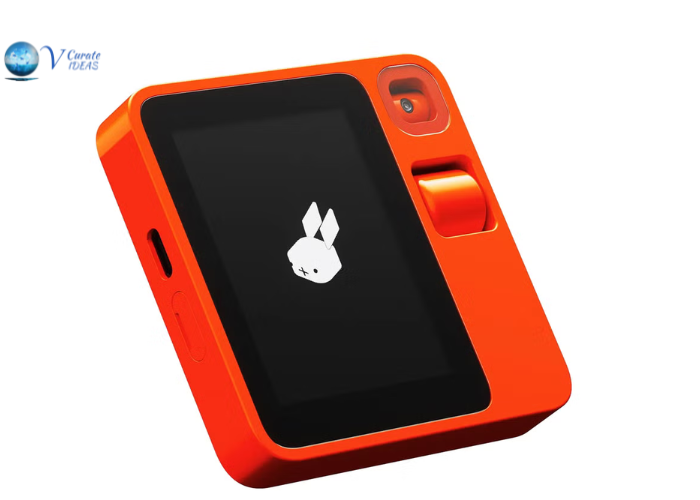
The AI Gadget That Wants to Replace Your Smartphone

A bold, spicy review of Off Campus series exploring messy hockey romances, intense chemistry, chaotic college love stories.

Three students trapped in an underground pit during a storm face fear, tension, and emotional breakdown in this intense survival drama.

A smart desk lamp with AI assistant, adaptive lighting, and productivity tools that boosts focus and improves daily work efficiency.
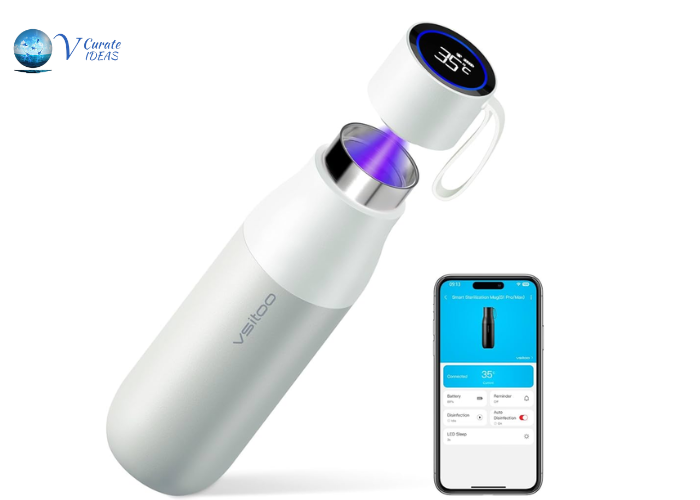
Smart self-cleaning water bottle with UV-C tech that kills bacteria, tracks hydration, and keeps drinks fresh daily.
© Copyright 2019 - 2026, All Rights Reserved