Why Cash App Changed How Young Adults Manage Money
A detailed review of Cash App money management features and why simple digital finance tools are gaining popularity

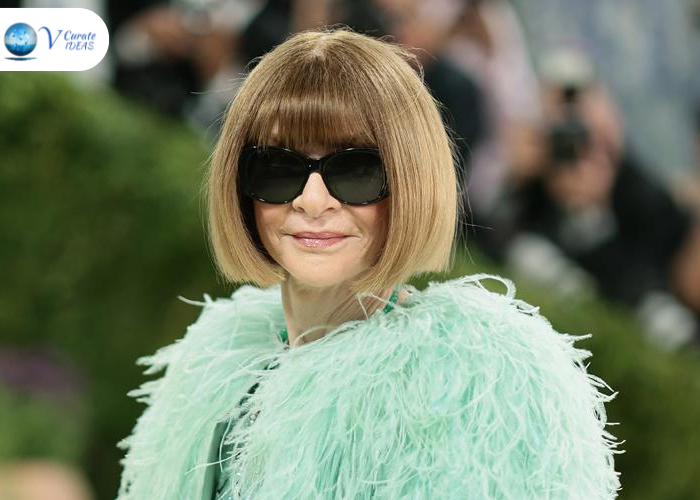
Anna Wintour is one of those rare figures whose name alone represents power, authority, and influence in the global fashion industry. For decades, she has been connected with Vogue magazine, luxury fashion, celebrity culture, and high-end editorial leadership. What makes her story so fascinating is not just her position, but how she built a system where a single magazine could decide who becomes visible in global culture and who does not. She is often seen as strict, controlled, and unreachable, but her real impact comes from understanding something very simple. Fashion is not only clothing or design. It is attention, visibility, and cultural control over what the world considers important.
Anna Wintour was born in London in 1949 into a family deeply connected to media, journalism, and publishing culture. From an early age, she was surrounded by storytelling, newspapers, and editorial environments, which shaped her understanding of how media influence and cultural narratives are created. Unlike many fashion leaders who come from design backgrounds, she entered the industry through journalism and editorial work. This gave her a different mindset. She understood early that magazines do not just report fashion trends, they create and control them. This foundation later became the core of her influence in global fashion media.
Before becoming the most powerful editor in fashion, she worked at major publications like Harper’s Bazaar and New York Magazine. These early roles were important because they taught her how editorial decisions shape careers, brand visibility, and fashion trends. During this time, she built a reputation for being extremely focused, fast decision-making, and highly selective. She understood how media attention cycles work and how quickly cultural relevance can change in the fashion industry. This knowledge later helped her dominate editorial leadership at the highest level.
In 1988, Anna Wintour became Editor in Chief of American Vogue, and this moment completely changed both her career and the fashion industry. Under her leadership, Vogue magazine transformed from a fashion publication into a global cultural authority platform. One of her most impactful decisions was placing celebrities on magazine covers alongside models, which blurred the line between luxury fashion, entertainment industry, and celebrity branding. This shift made Vogue more powerful as a global fashion media authority, where appearing on its cover became a symbol of mainstream cultural success and industry validation.
One of the most important aspects of her legacy is that she created a fashion visibility system. Designers, celebrities, and luxury brands began to see Vogue as a form of global validation and recognition. Being featured in Vogue often meant becoming internationally relevant. This created a system where editorial approval could influence careers, fashion brands, and even global marketing campaigns. She also played a major role in shaping the Met Gala, one of the most exclusive fashion events in the world. Today, the Met Gala is considered a global luxury fashion and celebrity culture event, where invitation alone represents elite cultural status.
Over time, Anna Wintour developed a strong public identity marked by her signature sunglasses, sharp bob haircut, and calm expression. This carefully controlled image became part of her authority in fashion. In the luxury fashion industry, perception is extremely important. Her consistent image created a sense of discipline, exclusivity, and editorial control, which reinforced her position as a powerful decision-maker in global fashion media.
As her influence grew, so did criticism. Some argue that her system represented fashion gatekeeping, where access to visibility was controlled by a small group of elite editors and institutions. At the same time, supporters believe she helped transform fashion into a globalized, structured, and commercially powerful industry. Under her leadership, fashion became more organized, internationally connected, and media-driven. This creates a dual perspective where she is seen as both a fashion innovator and a symbol of elite editorial control.
The most important shift affecting her legacy is not personal, but structural. Today, platforms like TikTok, Instagram, and YouTube allow fashion trends to emerge without editorial approval. For example, a TikTok fashion creator can start a global trend in hours, influencing millions without magazine coverage or luxury editorial validation. This has changed how fashion influence and trend creation work in the digital era. Instead of one central authority, fashion now operates through algorithms, creators, influencers, and digital communities.
Even in the modern digital era, Anna Wintour remains influential through Vogue, luxury brand partnerships, and major fashion events like the Met Gala. Her presence still represents the traditional structure of high fashion authority and editorial prestige. However, her influence now exists alongside a new system where trends are created faster, more openly, and more democratically online. This creates a contrast between old fashion authority and modern digital fashion culture.
The story of Anna Wintour is not only about one individual. It is about how cultural power, media influence, and fashion authority are created and challenged over time. She represents an era where fashion was controlled through institutions, editorial approval, and elite validation systems. Today, that structure is being replaced by open digital influence, viral content, and creator-driven culture. Her legacy is not just about what she built, but about how the meaning of fashion authority itself is being rewritten in the modern world of social media and global digital trends.

A detailed review of Cash App money management features and why simple digital finance tools are gaining popularity

A detailed review of Airbnb travel experience and why unique stays are changing the way people explore.

A detailed review of CeraVe skincare products and why simple routines are shaping modern beauty habits.

A detailed review of Spotify music streaming experience and why it remains a favorite digital platform

A detailed review of ThredUp online thrift shopping and why sustainable fashion is gaining popularity.
© Copyright 2019 - 2026, All Rights Reserved