Trust Me: The False Prophet Netflix review
The Cult Story everyone Is watching about power, belief, and manipulation in modern times.


The question “are we chasing goals or validation” feels more relevant than ever in a world shaped by constant visibility. On the surface, ambition looks the same as it always has. People set targets, work hard, and strive for success. But underneath, something has shifted. The rise of validation driven success has quietly changed the motivation behind many of these goals.
It is no longer just about achieving something meaningful. It is also about how that achievement is seen, perceived, and acknowledged by others. The presence of an audience, even a silent one, can influence what we define as success in the first place.
There is nothing wrong with wanting recognition. It is human. But the problem begins when external validation vs internal motivation becomes unbalanced. A promotion, a fitness milestone, or even a personal achievement can start to feel incomplete without being shared or appreciated publicly.
This creates a version of ambition that feels slightly performative. The rise of social media success mindset has made it easier to compare timelines, lifestyles, and results. Over time, this comparison can reshape personal goals into something that aligns more with what is visible rather than what is meaningful.
The pressure is subtle but constant. It does not always feel like pressure. Sometimes it feels like inspiration, until it starts to influence decisions in ways that are not entirely authentic.
The growth of online validation culture has made feedback instant and measurable. Likes, comments, and views act as signals that something is worth pursuing. This can be motivating, but it can also create dependency. When progress is tied too closely to reaction, it becomes harder to separate personal fulfillment from public approval.
This is where goal setting in the digital age becomes more complex. People are not just asking what they want to achieve, but also how it will be received. A goal that does not translate well online may feel less valuable, even if it holds real personal significance.
The challenge is not to reject ambition, but to understand it better. The idea of authentic personal growth requires a shift in perspective. Instead of focusing only on outcomes that can be displayed, it involves recognizing progress that may never be visible to others.
Real goals often feel quieter. They are not always easy to share or explain. They may not generate immediate recognition, but they contribute to long term growth. This kind of progress is harder to measure, but it is often more sustainable.
The line between ambition and validation is not always clear, and it is constantly evolving. In a world where everything can be seen, it takes intention to choose what truly matters. The real question is not whether validation exists, but how much it influences the direction we take.
When you think about your current goals, are they shaped by what you genuinely want, or by what will be seen, appreciated, and approved by others?

The Cult Story everyone Is watching about power, belief, and manipulation in modern times.

A heartfelt, wholesome, and emotional deep dive into Love on the Spectrum Season 4 with real stories, real vibes, and unforgettable moments

XO Kitty Season 3 delivers deeper emotions, stronger relationships, and bold character growth in a binge worthy Netflix teen drama.
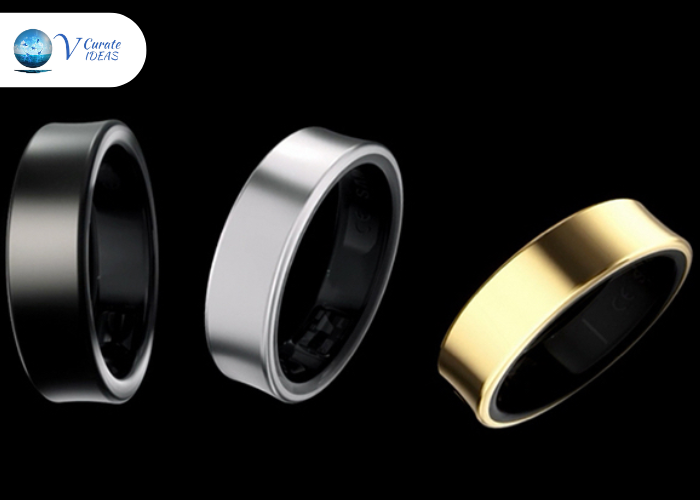
Samsung Galaxy Ring 2026 review covering sleep tracking, health monitoring, battery life, and real-world smart wearable performance.

A real-world review of Looki L1 AI Wearable Pin 2026, exploring its AI summaries, memory features, performance, and daily usability.
© Copyright 2019 - 2026, All Rights Reserved