What Gen Z Values Most in Meaningful Connections
Learn what Gen Z values in relationships, from communication and trust to emotional growth and healthy connections.

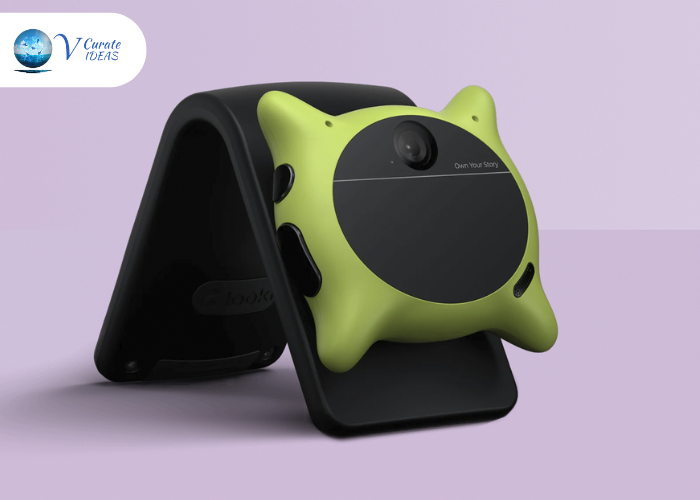
Looki L1 AI Wearable Pin is one of the more interesting AI wearable devices I’ve tried in 2026. It’s a small pin-style gadget that you can clip on your shirt or wear like a pendant, and at first glance it doesn’t feel like anything special. But after using it in real situations like meetings, daily conversations, and travel, it starts to make more sense what it is trying to do. The device is lightweight and easy to wear for long hours. It doesn’t feel bulky or distracting, which is important for something meant to be used throughout the day. The design is simple, almost minimal, and it blends into clothing without drawing attention. That makes it practical for real-world use, especially if you don’t want a noticeable tech device on you.
Is Claude AI the Secret to LinkedIn Growth
In terms of performance, the main strength of Looki L1 is its ability to record conversations and turn them into useful AI summaries. During testing, it was able to capture spoken discussions and later convert them into organized notes. Instead of long transcripts, it gives structured summaries that highlight the main points. This feature is especially useful for meetings or lectures where remembering everything is difficult. It also has a camera that helps it understand context, although it is not designed for photography. The idea is more about capturing moments and using AI interpretation rather than producing high-quality images. This makes it feel more like a memory tool rather than a camera device.
One of the most interesting parts is the memory feature. You can ask it questions about your day, and it tries to reconstruct events based on what it recorded. It feels like having a digital memory assistant that helps you recall things you might forget otherwise. While it is not perfect and sometimes misses context, the idea is still impressive. Battery life is decent for a full day of normal use, but it does need charging regularly if used heavily. It is clearly designed for daily activity tracking rather than long-term offline use. The companion app is simple enough to use, and setup doesn’t take much time.
There are also some downsides. In noisy environments, the accuracy of transcription drops. Privacy is another concern because the device is always listening or capturing context when enabled. This may not be comfortable for everyone, especially in social situations. The camera quality is also basic and not meant for high-quality content creation. Overall, Looki L1 feels like an early step toward wearable AI assistants that act as a second brain. It is not a perfect device and still has limitations, but it does offer real value for productivity and memory assistance. It works best for students, professionals, and people who rely heavily on notes and reminders. It is not something that replaces a phone, but it does add a new layer of AI support to everyday life. In conclusion, Looki L1 is not revolutionary yet, but it is practical and promising. It shows where AI wearables are heading, even if the technology still has room to improve.

Learn what Gen Z values in relationships, from communication and trust to emotional growth and healthy connections.

Discover how the creator economy is helping Gen Z build meaningful careers through creativity and innovation.

Discover the Top 100 Gen Z startups transforming technology, careers, wellness, and the future today.

The New Creator Economy Is Rewriting Entrepreneurship and Gen Z Is Leading the Shift

Learn why instant validation feels addictive and how to build lasting confidence
© Copyright 2019 - 2026, All Rights Reserved