The Gen Z Skills That Will Matter Most in 2026
AI is changing how people work, but that does not mean every valuable career skill is technical.

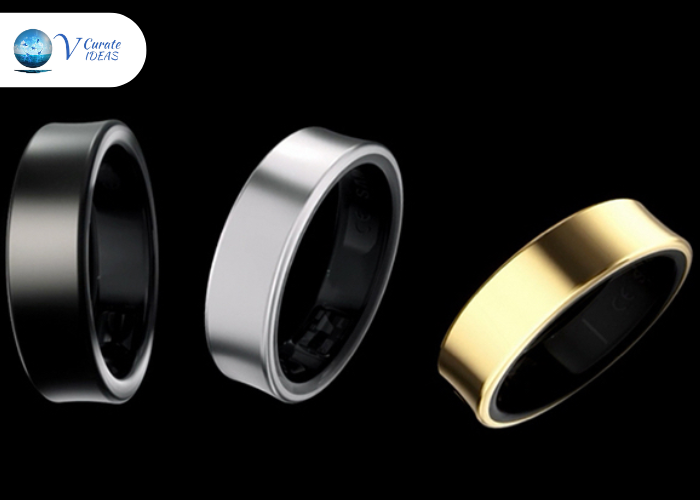
I’ve been using the Samsung Galaxy Ring (2026) for a while now, and honestly it feels like one of the most polished pieces of smart wearable technology I’ve tried so far. At first, I didn’t expect much from a ring compared to a smartwatch, but the experience turned out to be very different in a good way. The first thing you notice is how natural it feels on the finger. The lightweight design makes it easy to wear all day without any discomfort, even while sleeping. Unlike bulky fitness bands, it doesn’t get in the way of daily tasks. After a few hours, you almost forget it’s even there, which is actually the biggest strength of this device.
O-Boy Satellite Smartwatch Review: Real Off-Grid Lifesaver
In terms of performance, the health tracking system is surprisingly detailed. It continuously monitors heart rate, sleep cycles, stress levels, and even body temperature trends. The most impressive part for me has been the sleep tracking accuracy, which breaks down sleep into deep sleep, light sleep, and REM stages in a way that actually feels useful rather than just random data. Over time, it started showing patterns in my sleep quality that I wasn’t even aware of.
Another strong point is the battery life. It easily lasts around 5 to 7 days depending on usage, which is much more convenient than charging a smartwatch every night. The small charging case also makes it easy to top up without any hassle, especially when traveling. The data all syncs with the Samsung Health app, and this is where the experience becomes more insightful. The app doesn’t just show numbers; it gives AI-based health insights, recovery suggestions, and daily wellness scores. While it’s not as advanced as a full AI assistant, it still provides helpful guidance for improving sleep and activity habits.
However, it’s not a perfect device. One limitation is the lack of a screen, which means you always need your phone to view data. Also, it doesn’t include features like GPS or advanced workout tracking, so it’s not ideal for serious athletes. The fitness tracking capabilities are more lifestyle-focused than performance-focused. From a real-world usage perspective, the Galaxy Ring is best for people who want passive health monitoring without constantly interacting with a device. It quietly collects data in the background and gives you insights without demanding attention. That makes it especially useful for people who prefer minimal tech interaction in daily life.
The premium build quality is another highlight. It feels durable, well-designed, and more like a piece of jewelry than a gadget. Samsung clearly focused on making it blend into everyday wear rather than standing out as a tech device. Overall, the Samsung Galaxy Ring (2026) feels like a step toward invisible technology where devices work silently in the background instead of constantly demanding attention. It’s not trying to replace your phone or smartwatch, but it succeeds in doing one thing very well: making health tracking simple, consistent, and effortless. If I had to summarize my experience, I would say it’s one of the best minimalist smart wearables available right now, especially for users who care about sleep, wellness, and long-term health tracking rather than flashy features or complex controls.
AI is changing how people work, but that does not mean every valuable career skill is technical.

Here’s what still works, what is overcrowded, and how to build something people will actually pay for.

Learn what Gen Z values in relationships, from communication and trust to emotional growth and healthy connections.

Discover how the creator economy is helping Gen Z build meaningful careers through creativity and innovation.

Discover the Top 100 Gen Z startups transforming technology, careers, wellness, and the future today.
© Copyright 2019 - 2026, All Rights Reserved