Rabbit R1 Review
The AI Gadget That Wants to Replace Your Smartphone


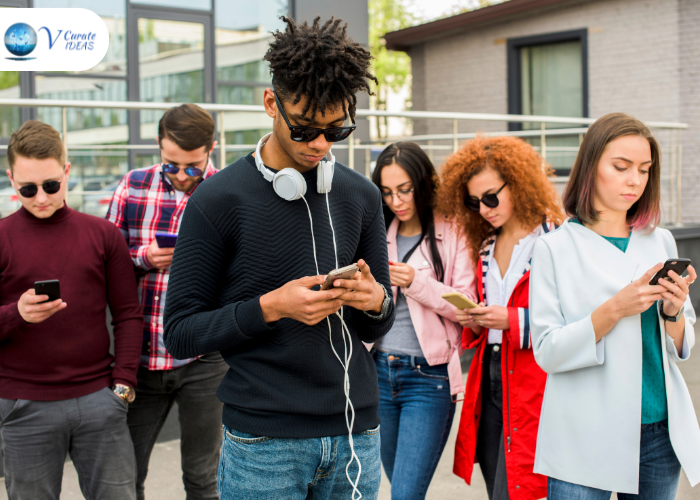
In today’s digital culture, people no longer experience emotions privately the way previous generations did. Open any social media platform and you will quickly find videos of people crying in their cars, recording emotional breakdowns, talking through panic attacks, or sharing heartbreak with millions of strangers online. What once stayed between close friends or family members is now becoming public content. This growing trend has confused many people. Some call it attention seeking. Others see it as emotional honesty. But the truth behind why people film themselves crying online is much deeper and more connected to modern human psychology than most realize.
The internet has changed how people process emotions, seek validation, and communicate pain. In 2026, social media psychology, online emotional validation, and digital loneliness are shaping human behavior more than ever before. This is not just about crying videos. It is about how modern life transformed emotions into content.
The biggest reason people film themselves crying is simple: they want to feel seen. Many people today struggle with emotional isolation despite constantly being connected online. They may have thousands of followers yet nobody they truly feel comfortable talking to in real life. Social media became a place where people look for comfort, understanding, reassurance, and emotional recognition. For some users, posting emotional moments online feels easier than having vulnerable conversations face to face.
A crying video often acts like a digital emotional release. Instead of silently dealing with pain alone, people upload their emotions hoping someone relates to them. This explains why videos about heartbreak, anxiety, depression, stress, burnout, or loneliness receive millions of views online. Audiences connect deeply with emotional vulnerability because many people secretly feel the same way. The rise of mental health content, emotional storytelling, and vulnerability culture online shows that people are desperate for emotional connection in an increasingly disconnected world.
One of the strangest parts of modern social media is that emotional content performs extremely well. Platforms like TikTok, Instagram, and YouTube are designed to keep users emotionally engaged for as long as possible. Content that creates strong reactions usually gets pushed by algorithms because it keeps people watching, commenting, and sharing. This means emotional pain often receives more visibility than ordinary daily content.
A calm daily vlog may get ignored, while a crying breakdown video can instantly go viral. Over time, this changes user behavior. People subconsciously learn that emotional vulnerability gains attention online. Attention brings comments, sympathy, support, and engagement. That engagement creates temporary emotional comfort. Eventually, some users begin turning emotional experiences into content without fully realizing how much the internet has trained them to do it. This is one reason why viral emotional videos, online crying trends, and social media breakdown culture continue growing every year.
Not every crying video is fake. In fact, many are completely real. The sadness, heartbreak, anxiety, or frustration genuinely exists. However, once a camera enters the moment, emotions can slowly become part experience and part performance. This creates a psychological shift. Instead of simply feeling emotions naturally, people begin observing themselves emotionally through a digital lens. They think about camera angles, captions, reactions, views, or audience responses even while upset. This is one of the biggest effects of internet culture today. Humans are no longer just living experiences.
They are also documenting themselves experiencing those moments. Modern social media encourages people to become both the person feeling the emotion and the person producing content about it at the same time. That mental split can deeply affect emotional health over time.
A major trend psychologists and internet researchers discuss today is called performative vulnerability. This happens when emotional openness becomes influenced by audience reaction rather than genuine healing. Sometimes users begin sharing increasingly personal emotional moments because online sympathy feels comforting. Likes, supportive comments, and reposts can create short-term emotional relief.
The brain starts associating emotional exposure with validation. This does not always happen consciously. Many people genuinely believe they are simply expressing themselves honestly. But social media platforms are designed around rewards and attention systems. The more emotional the content becomes, the stronger the audience reaction usually is. That creates an unhealthy cycle where emotional pain can unintentionally become tied to online identity. This is why many experts worry about the long-term effects of social media addiction, digital validation, and constant online exposure on mental health.
For older generations, filming yourself crying may seem unnatural or uncomfortable. But younger audiences grew up documenting everything online. Photos, meals, vacations, relationships, workouts, fashion choices, and daily routines are constantly shared publicly. Over time, emotions also became part of online identity. To many young people, recording emotional moments does not feel unusual anymore because social media has always existed alongside their personal lives.
Generation Z especially grew up in an era where internet presence and self-expression became deeply connected. Emotional openness online is often viewed as authenticity rather than oversharing. This explains why trends involving mental health discussions, crying confession videos, and emotional transparency online continue becoming more normalized globally.
Ironically, one of the biggest reasons people share emotional breakdowns online is loneliness itself. Modern technology connects people digitally while emotionally disconnecting them in real life. Many individuals spend hours scrolling through content without having meaningful human conversations. This creates emotional emptiness. People start seeking comfort from strangers online because they lack emotional support offline.
Research around digital loneliness, social media anxiety, and online emotional dependence continues growing because experts are noticing how internet culture affects human relationships. Many users say they feel emotionally understood online yet emotionally disconnected in real life. That contradiction defines modern internet culture perfectly.
Constantly turning emotions into content can quietly affect mental health in serious ways. Real emotional healing often requires privacy, silence, reflection, and personal processing. But social media encourages instant sharing before emotions are fully understood. Instead of asking: “How do I feel?” People sometimes begin asking: “How will this look online?” Over time, this can weaken emotional boundaries and create dependence on outside validation.
Some mental health experts worry that younger users may struggle separating authentic emotional experiences from performative online behavior if social media continues shaping emotional expression this heavily. The long-term psychological effects of online vulnerability culture are still being studied, but many experts already believe social media is changing human emotional development permanently.
Humans naturally react strongly to emotion. Sadness, fear, heartbreak, vulnerability, and emotional honesty capture attention faster than ordinary content because people emotionally recognize those experiences within themselves. This is why emotional videos spread rapidly online. People are not just watching someone cry. They are seeing reflections of their own stress, loneliness, anxiety, insecurity, or emotional exhaustion.
That emotional relatability fuels engagement. In a world where many people feel overwhelmed mentally, emotional content feels more “real” than heavily filtered perfection online. This explains why audiences increasingly prefer raw emotional content over polished influencer lifestyles.
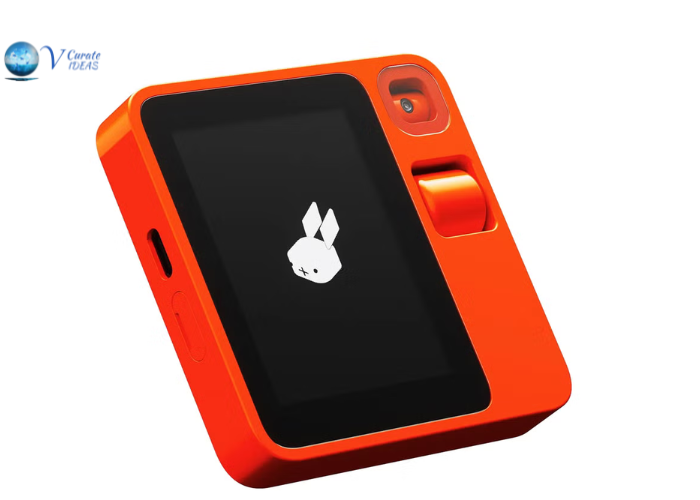
The AI Gadget That Wants to Replace Your Smartphone
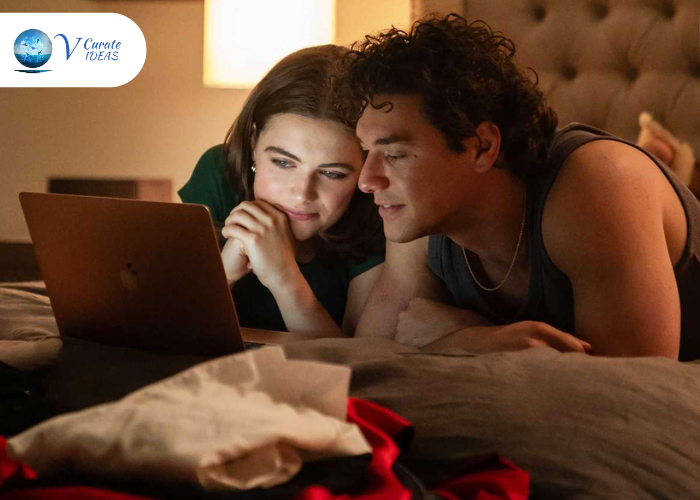
A bold, spicy review of Off Campus series exploring messy hockey romances, intense chemistry, chaotic college love stories.

Three students trapped in an underground pit during a storm face fear, tension, and emotional breakdown in this intense survival drama.

A smart desk lamp with AI assistant, adaptive lighting, and productivity tools that boosts focus and improves daily work efficiency.
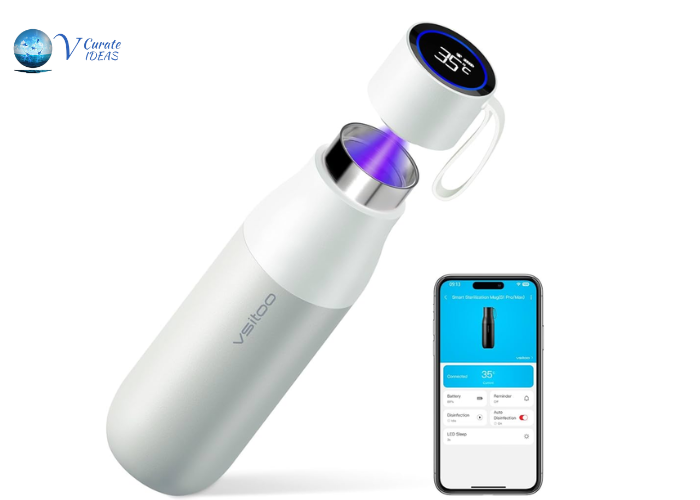
Smart self-cleaning water bottle with UV-C tech that kills bacteria, tracks hydration, and keeps drinks fresh daily.
© Copyright 2019 - 2026, All Rights Reserved