How to Spot Fake News and Deepfakes in 2026
Learn how to identify fake news, deepfakes, and AI misinformation in 2026 with practical fact checking and digital literacy skills.

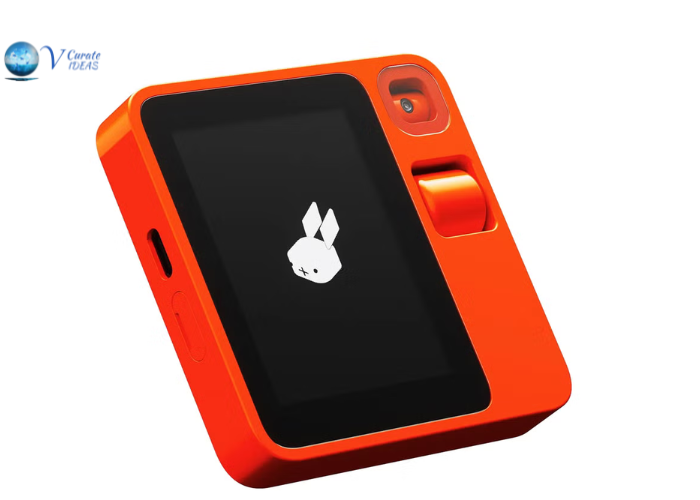
The race to build the next generation of consumer technology is heating up, and few products have generated as much curiosity as the Rabbit R1. Designed as a pocket-sized AI companion, this bright orange device has become a major talking point among tech enthusiasts, content creators, and early adopters across the United States. Unlike traditional smartphones that rely on endless apps and notifications, the Rabbit R1 aims to simplify digital life by allowing users to interact with technology through natural conversations.
At first glance, the Rabbit R1 stands out because it doesn't look like another smartphone clone. Its compact design, rotating camera, and minimalist interface immediately grab attention. However, the real attraction lies in its AI-powered operating system. Users can ask the device to perform tasks such as booking rides, searching for information, playing music, or managing daily activities using simple voice commands. The idea is ambitious: eliminate the need to constantly jump between apps and let artificial intelligence handle the work.
In real-world use, the Rabbit R1 offers a fascinating glimpse into what the future of personal technology could look like. The voice interaction feels natural, and the device demonstrates impressive potential when handling routine digital tasks. For people who enjoy experimenting with emerging technology, the experience feels refreshingly different from using a conventional smartphone. The gadget has also become highly popular on social media platforms, where users frequently share demonstrations of its capabilities and unique design.
That said, the Rabbit R1 is still an early-stage product. Performance can occasionally be inconsistent, and some tasks take longer than users might expect. Since the concept relies heavily on cloud-based AI services, reliability may vary depending on internet connectivity. Many consumers may also find it difficult to justify carrying another device alongside their smartphone.
Despite these challenges, the Rabbit R1 succeeds in doing something many gadgets fail to achieve—it sparks conversation. In a market crowded with predictable upgrades and repetitive product launches, this device feels genuinely different. While it may not replace your smartphone today, it provides an exciting preview of where consumer technology could be heading over the next few years.
The biggest strengths of the Rabbit R1 include its innovative AI assistant, unique design, and fresh approach to human-computer interaction. On the downside, occasional performance inconsistencies, reliance on internet connectivity, and limited functionality compared to smartphones may frustrate some users.
The Rabbit R1 is not perfect, but it is undeniably one of the most interesting tech products of the year. For early adopters and gadget enthusiasts looking to experience the future before everyone else, this AI-powered device is worth watching closely.

Learn how to identify fake news, deepfakes, and AI misinformation in 2026 with practical fact checking and digital literacy skills.

AI-designed meals are reshaping how we eat, offering personalized nutrition plans powered by data, health tracking, and smart algorithms.

From a shy teen in California to a global YouTube icon, Emma Chamberlain changed internet culture with her raw, relatable content and unique style.

Surya Midha’s Mercor is reshaping hiring with AI-driven recruitment, faster matching, and future workforce automation.

A real Gen Z guide to using AI tools for income, productivity, and digital side hustles in 2026.
© Copyright 2019 - 2026, All Rights Reserved