Algorithm Identity Shift
How social media algorithms shape thoughts, behavior, identity, and modern digital beliefs online up
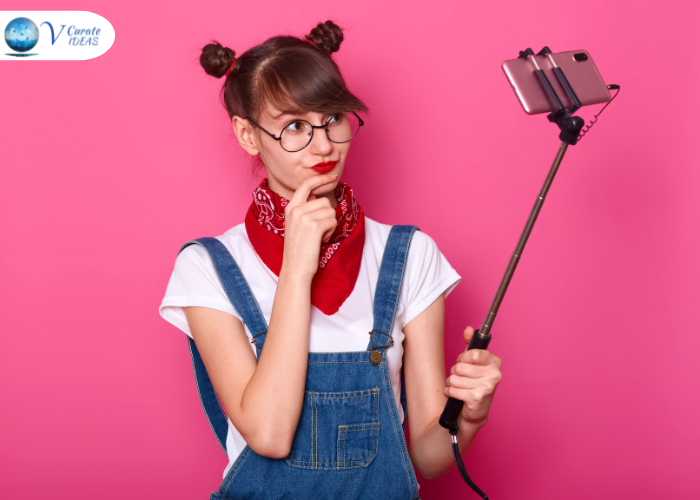
TikTok has completely transformed the way young people express themselves online. What used to be casual sharing of hobbies, funny moments, or personal stories has now become a high-stakes arena where creativity is measured in likes, shares, and followers. Every dance, lip-sync, or short-form video feels like a competition to capture attention and go viral. For many creators, the pressure to constantly post “original” content can be exhausting, turning what once felt like art into a metric-driven game.
On the other hand, some argue that TikTok trends actually fuel innovation, inspiring people to remix ideas and challenge traditional boundaries of what counts as digital content creation. Memes, challenges, and viral sounds give everyone a chance to participate, creating a sense of community that is both motivating and addictive. Yet, it’s hard not to notice how the chase for clout can sometimes overshadow genuine expression, making authenticity a rare commodity.
Beyond the algorithm, this cultural shift reflects how social media platforms now shape identity, confidence, and social validation. Whether you are creating or just scrolling, you are part of a global experiment where Gen Z creativity is both celebrated and commodified.
It begs the question: are we evolving into a generation of digital artists, or is the constant pursuit of virality changing the way we define true creativity?
What do you think: does TikTok make people more creative, or is it just turning everyone into influencers?
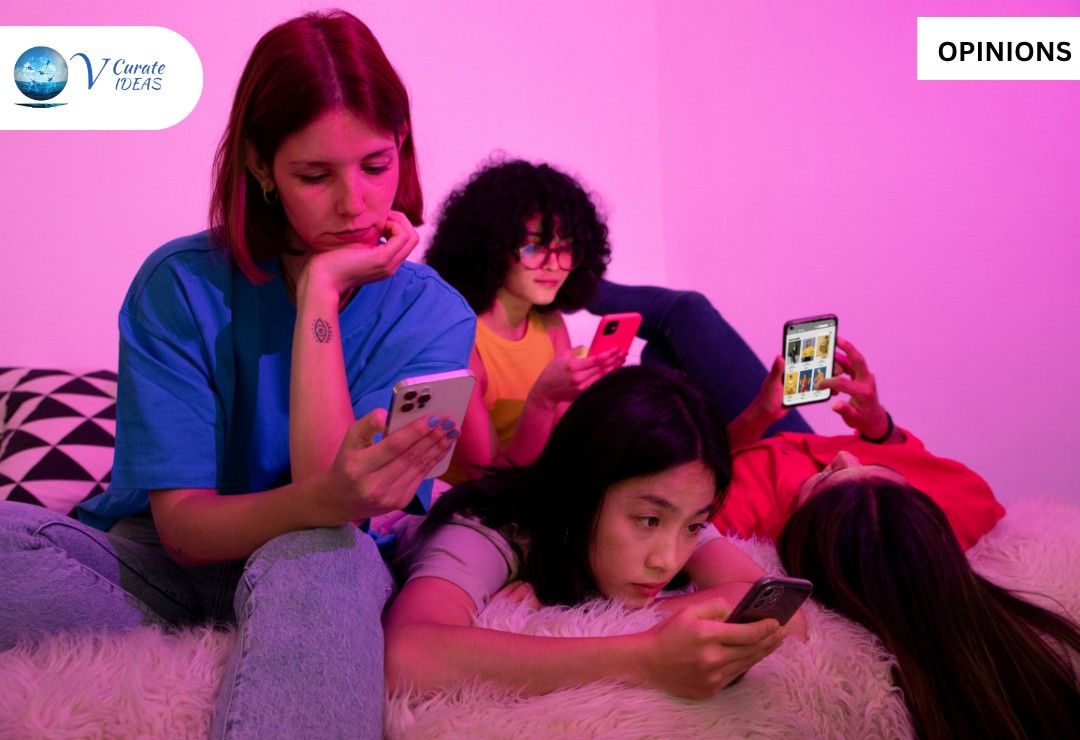
How social media algorithms shape thoughts, behavior, identity, and modern digital beliefs online up
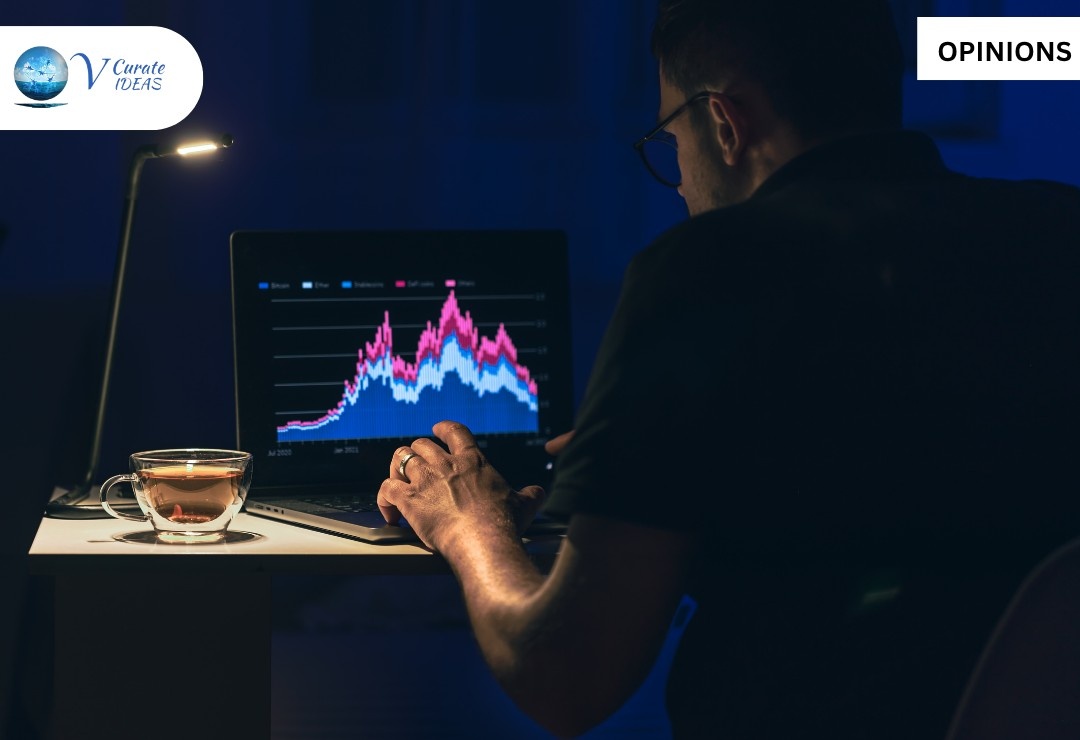
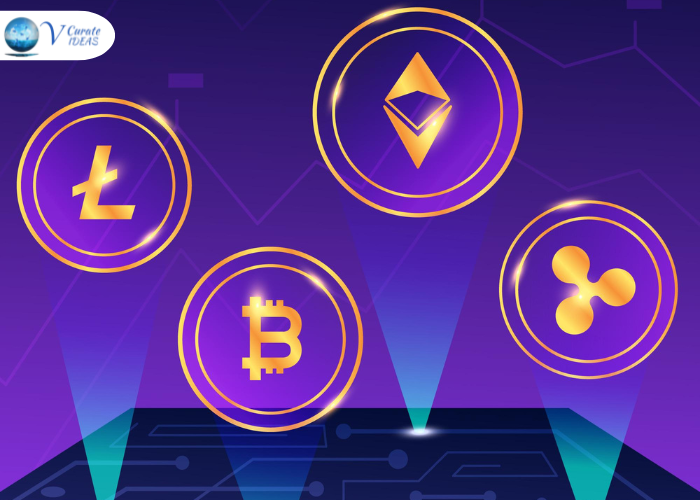
Gen Z is naturally shaping the crypto economy through digital fluency, financial independence, and trust in blockchain based systems.
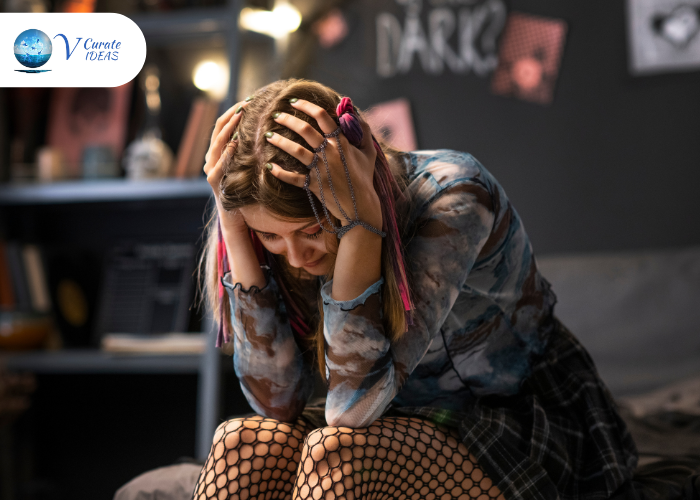
How digital life fuels overthinking and anxiety in Gen Z, impacting mental health, focus, and emotional well-being in today’s always-connected world.
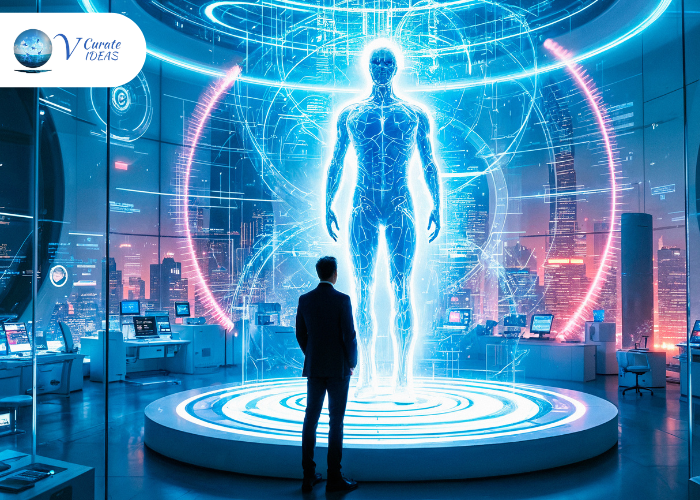
How AI, biotech, and medical innovations are extending human lifespan and improving health, shaping a future of longer, healthier living.

Elon Musk is famous for being an environmental entrepreneur and businessman. Let's take a survey to know why is he so famous :)

This survey is aimed at knowing the way social media is affecting our youth in both positive and negative ways.
© Copyright 2019 - 2026, All Rights Reserved




Participant Comments