Algorithm Identity Shift
How social media algorithms shape thoughts, behavior, identity, and modern digital beliefs online up
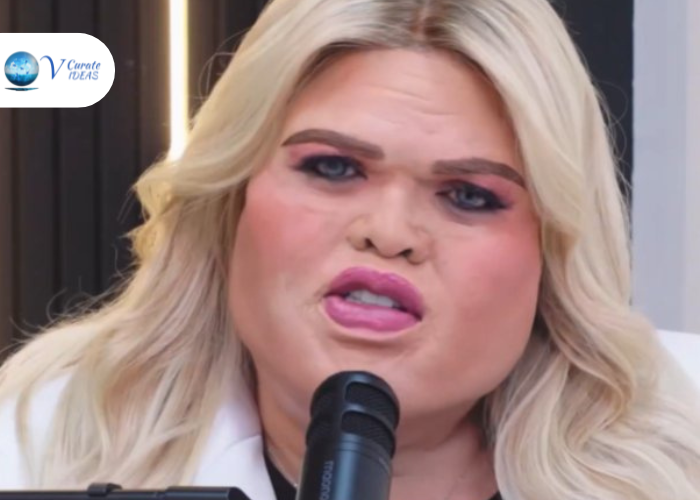
Druski just dropped a new skit mocking 'Conservative women'. In the video, Druski's obviously mocking Erika Kirk, but he doesn't say that directly on the post. The video instantly went viral after Druski posted it.
The latest skit from Druski hits fast and stays with you. This Druski skit works because it feels real before it feels funny. The setup is simple, like a familiar everyday situation, but he stretches it just enough to expose how people actually behave. For example, his exaggerated facial reactions and awkward pauses mimic real conversations so closely that it feels less like acting and more like watching someone you know. That is exactly why it connects, because Gen Z audiences respond to content that reflects reality, not just scripted jokes.
What makes it stand out in today’s viral comedy content space is how intentional everything feels. The short duration keeps it replayable, and the details like tone shifts, body language, and hyper-specific scenarios do most of the work instead of loud punchlines. In one moment, he leans into silence to build tension, and in another, he flips the energy with a sudden overreaction, creating a rhythm that keeps viewers locked in. This balance between subtlety and exaggeration is what drives shares and conversation, especially across American audiences who value humor that feels observant and culturally aware.
If content like this keeps dominating timelines, are we moving toward a future where the funniest thing is not what is said, but what feels uncomfortably true?
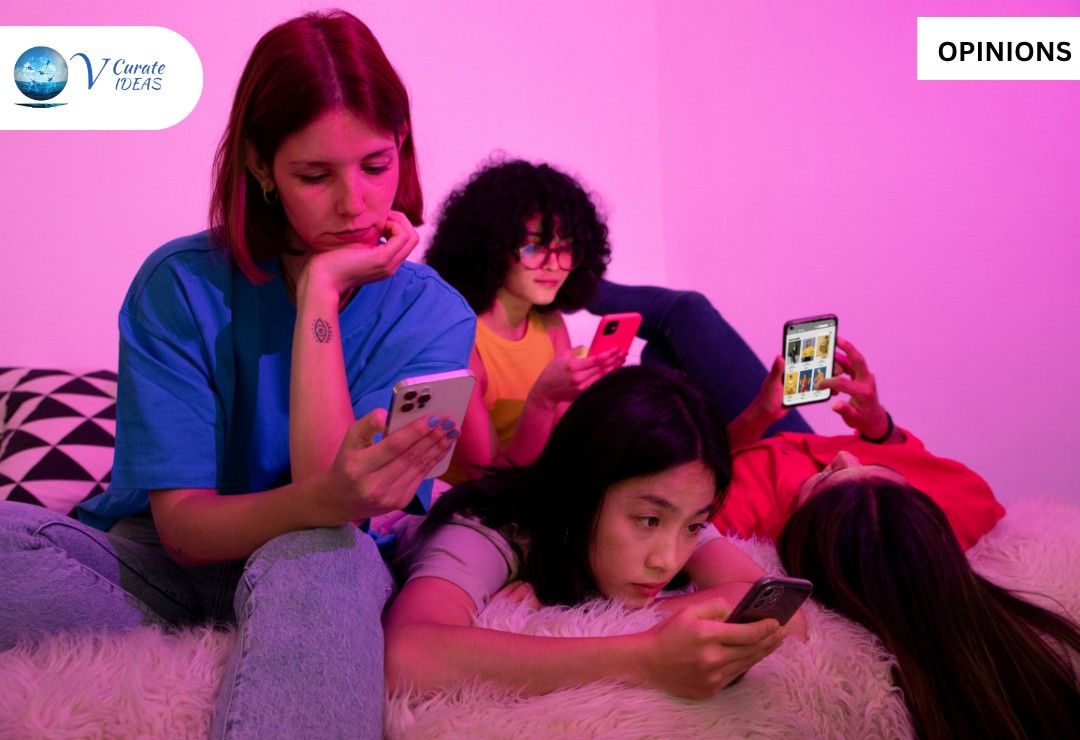
How social media algorithms shape thoughts, behavior, identity, and modern digital beliefs online up

Gen Z is naturally shaping the crypto economy through digital fluency, financial independence, and trust in blockchain based systems.
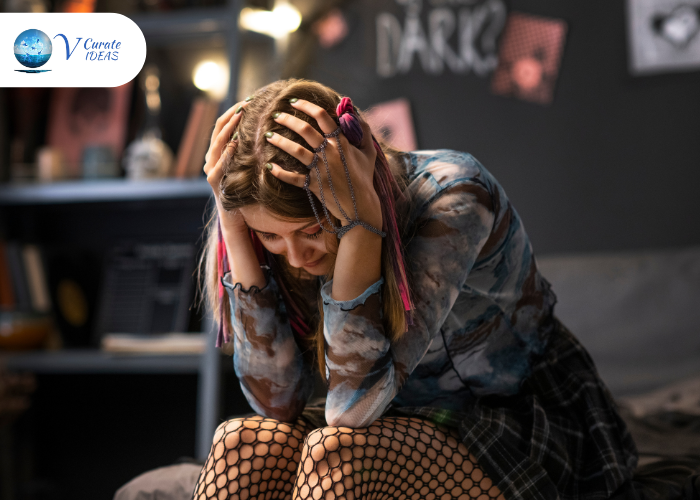
How digital life fuels overthinking and anxiety in Gen Z, impacting mental health, focus, and emotional well-being in today’s always-connected world.
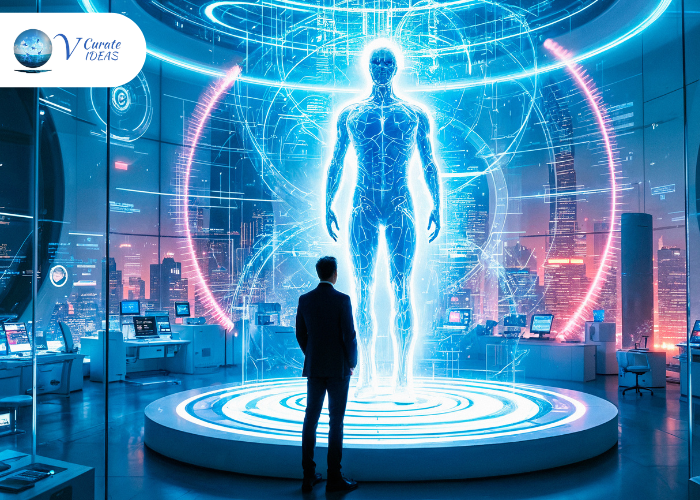
How AI, biotech, and medical innovations are extending human lifespan and improving health, shaping a future of longer, healthier living.

Elon Musk is famous for being an environmental entrepreneur and businessman. Let's take a survey to know why is he so famous :)

This survey is aimed at knowing the way social media is affecting our youth in both positive and negative ways.
© Copyright 2019 - 2026, All Rights Reserved







Participant Comments