Algorithm Identity Shift
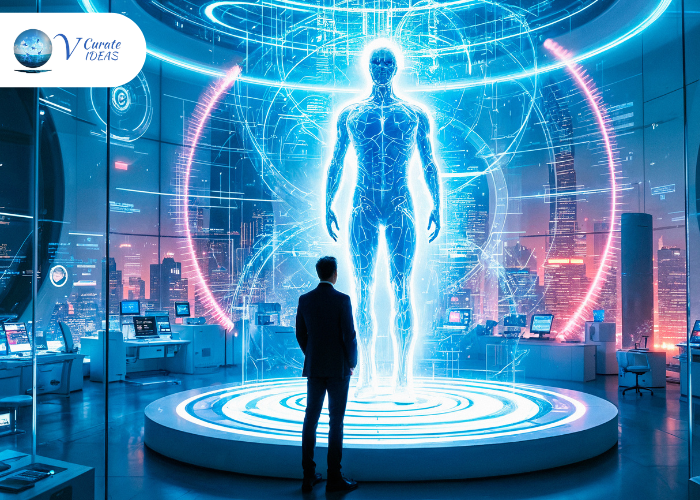
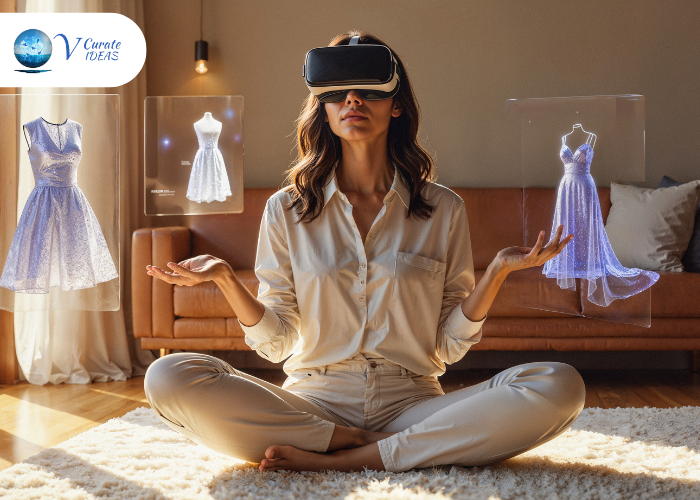
How social media algorithms shape thoughts, behavior, identity, and modern digital beliefs online up


In today’s digital age, social media has completely transformed the way people meet, connect, and build relationships. Platforms like Instagram, TikTok, and Snapchat are no longer just places to share photos and videos; they have become essential tools in modern dating culture. From casual dating to long-term relationships, social media plays a key role in shaping interactions, communication patterns, and even the way people perceive potential partners.
One of the biggest impacts of social media on dating is the ease of discovery and connection. Dating apps and social platforms allow users to explore a wider pool of potential partners than ever before. Gen Z users in particular leverage platforms to showcase their personalities, hobbies, and lifestyles, making initial attraction more dynamic and visually driven. Profiles, stories, and posts give insights into someone’s life before even meeting in person, which can help people make more informed decisions about who they want to pursue.
Communication has also evolved significantly. Direct messages, comments, reactions, and video calls now replace traditional forms of dating like phone calls or face-to-face meetings. Social media encourages continuous interaction, creating a sense of closeness even before a relationship officially starts. However, this constant connectivity can also blur boundaries and create pressure to maintain an online persona that may not fully reflect reality.
Another important aspect is the influence of social media trends on dating expectations. Viral challenges, memes, and shared content often shape how people express affection or flirt online. Couples showcase their relationships through posts and stories, which can create a culture of comparison but also inspire creativity and fun in expressing emotions. Moreover, social media enables people to stay connected with their wider social circles, making it easier to navigate the complexities of dating while seeking advice or support.
Despite its advantages, social media also introduces challenges such as miscommunication, ghosting, and superficial judgments based on online appearances. It is essential for users to balance their digital presence with authentic interactions, ensuring that technology enhances rather than replaces real-world connections.
In conclusion, social media is central to modern dating culture, offering opportunities for connection, self-expression, and creativity. By understanding both its benefits and challenges, young people can navigate online dating more confidently and authentically. Platforms like Instagram and TikTok are not just tools for entertainment; they have become a crucial part of how relationships begin, grow, and evolve in the 21st century.
How social media algorithms shape thoughts, behavior, identity, and modern digital beliefs online up

Gen Z is naturally shaping the crypto economy through digital fluency, financial independence, and trust in blockchain based systems.

Elon Musk is famous for being an environmental entrepreneur and businessman. Let's take a survey to know why is he so famous :)

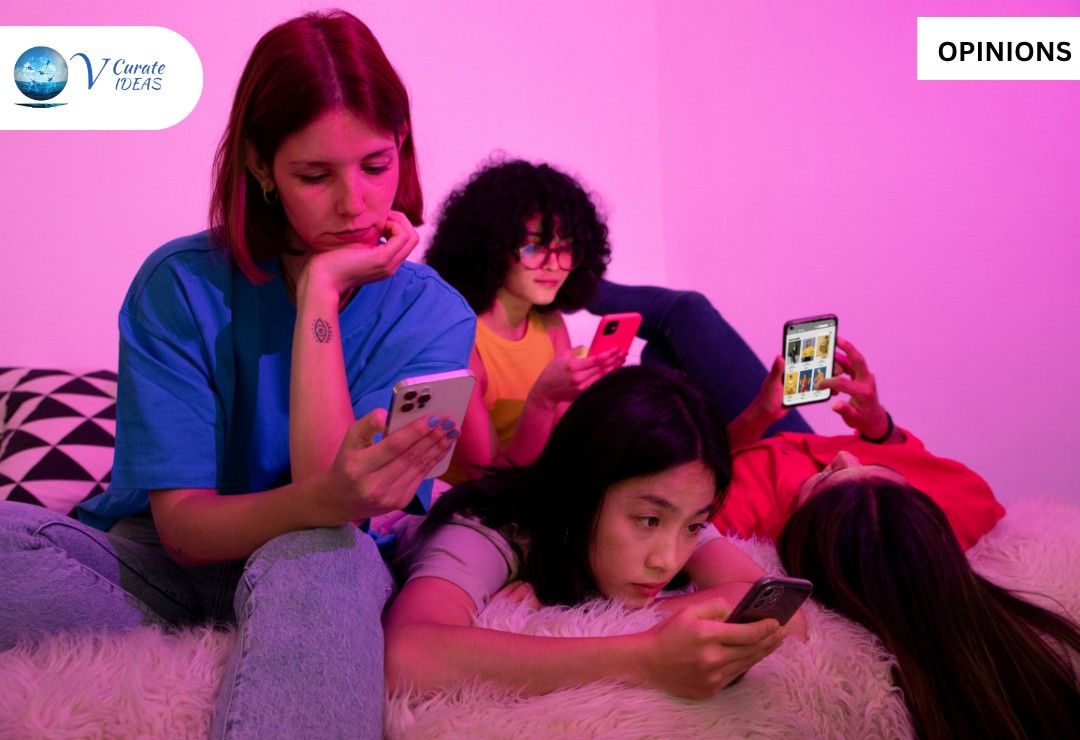
This survey is aimed at knowing the way social media is affecting our youth in both positive and negative ways.

fillers are now normal, but are they true self-love or silent beauty pressure shaped by social media?

GTA VI may redefine gaming with AI, realism, and open-world evolution, shaping the future of entertainment industry.
© Copyright 2019 - 2026, All Rights Reserved