Sleep Reset Culture
Why quality sleep is becoming the ultimate productivity trend

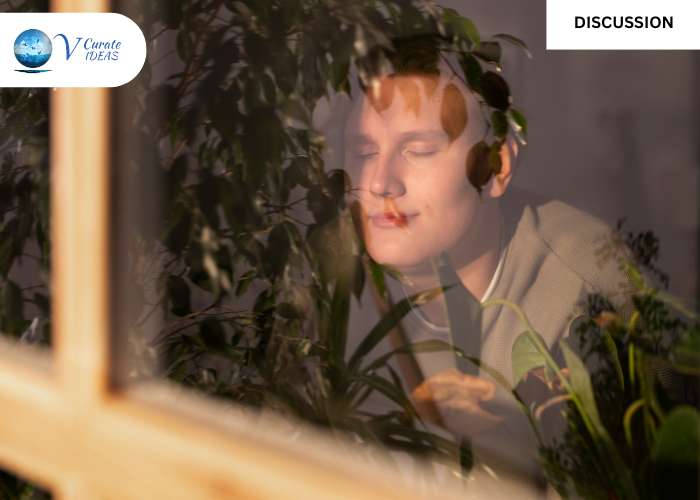
If your life had no audience, something would shift in a very quiet but uncomfortable way. Not in a dramatic “everything changes overnight” moment, but more like you’d slowly notice how much of what you do is slightly adjusted for being seen. The truth is, a lot of modern life comes with an invisible crowd. Even when no one is physically there, you still kind of imagine how things would look if they were. A good moment becomes something you think about posting. A struggle becomes something you might later turn into a “lesson learned” story. Even your silence sometimes feels like it needs an explanation.
Lip Fillers: Confidence Choice or Beauty Pressure?
And if that audience suddenly disappeared, a lot of habits would probably feel unnecessary. You might stop curating your life so carefully. Not just social media, but even the way you present yourself in conversations. The need to sound impressive, emotionally evolved, always “figured out.” You’d probably realize how often you filter your thoughts before saying them, just in case they land wrong or don’t sound smart enough.
Even daily motivation might change. Some goals are genuinely yours, but some are quietly shaped by comparison. The version of success you chase is often influenced by what looks valid from the outside. Without anyone watching, you might start questioning which goals actually belong to you and which ones exist because they “make sense” socially. Relationships would also feel different. Not worse, just more raw. You’d probably talk less about how things appear and more about how they actually feel. Some connections might deepen because there’s no performance layer left. Others might quietly fade because they were partly built on image and expectation.
And then there’s the uncomfortable part: boredom. Without an audience, there’s no pressure to make life constantly interesting. No need to turn every moment into something meaningful or aesthetic. Just regular, ordinary existence. And that’s where you realize how much we’ve been trained to treat normal life as something that needs justification. But maybe that’s also the freeing part. Because once the “audience” disappears, you start noticing the difference between living and performing living. You begin to see what you actually choose versus what you just display.
And that leads to a question that sits a bit heavy if you really think about it:
If nobody was watching, which parts of your life would you quietly drop because they were never really yours in the first place and what kind of life would you finally start building when there’s no one left to impress?
Why quality sleep is becoming the ultimate productivity trend

Build skills that keep your career ahead in an AI driven world
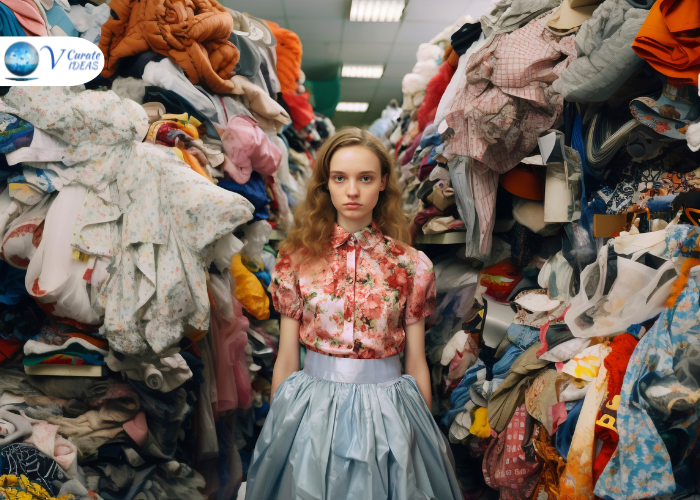
Discover why personal style is replacing fast fashion as the new trend for confident everyday choices

Explore subscription fatigue streaming apps costs and how digital habits are shifting online today

Elon Musk is famous for being an environmental entrepreneur and businessman. Let's take a survey to know why is he so famous :)

This survey is aimed at knowing the way social media is affecting our youth in both positive and negative ways.
© Copyright 2019 - 2026, All Rights Reserved




Participant Comments