Algorithm Identity Shift
How social media algorithms shape thoughts, behavior, identity, and modern digital beliefs online up


The phrase “delulu is the solulu” has become one of the most recognizable internet trends among Gen Z, especially across TikTok, Instagram, and meme culture. It comes from the word “delusional,” shortened into “delulu,” and is used in a playful way to describe staying overly positive or imagining ideal outcomes in love, success, or life situations. The idea behind it is simple: if you believe something strongly enough, it might help you feel more confident and eventually achieve it. While it sounds fun and harmless, it opens up a serious discussion about whether this mindset is truly helpful or potentially damaging in real life.
On the motivational side, supporters argue that “delulu thinking” can boost confidence and reduce fear of failure. Gen Z is constantly exposed to social media comparison, academic pressure, career uncertainty, and lifestyle expectations that often feel overwhelming. In such an environment, a positive mindset can act as emotional protection. For example, telling yourself “I am going to get this opportunity” or “I am capable of achieving this goal” can increase self-confidence and push you to take action. This connects to psychological concepts like visualization, affirmations, manifestation, and growth mindset, where believing in a positive outcome helps people stay focused and motivated. In many cases, confidence itself becomes the first step toward success because it encourages effort and persistence.
However, the harmful side appears when confidence turns into denial of reality. If someone starts believing in outcomes without evidence, planning, or effort, it can lead to disappointment and emotional stress. In relationships, this might look like ignoring clear signs and assuming feelings that are not real. In academics or career goals, it may involve expecting success without consistent work, discipline, or preparation. Over time, this creates a dangerous gap between expectation and reality, which can result in frustration, burnout, and loss of self-esteem.
Can You Succeed Without Sacrificing Health
Another major factor is the influence of social media culture, where “delulu” content is often romanticized. It is shown as funny, aesthetic, and empowering, but the real consequences are rarely discussed. This makes unrealistic thinking seem normal, especially for younger audiences who are still developing their understanding of relationships, success, and self-worth. While it may look entertaining online, real life still requires effort, patience, and practical decision-making.
In conclusion, the “delulu is the solulu” mindset is not completely good or bad. It can be motivational when it builds confidence and encourages action, but it becomes harmful when it replaces reality and responsibility. The healthiest approach is balance: believing in yourself while still staying grounded in facts and effort.
What do you think?
Is “delulu is the solulu” just a harmless Gen Z trend, or is it quietly changing how young people handle real-life expectations and relationships?
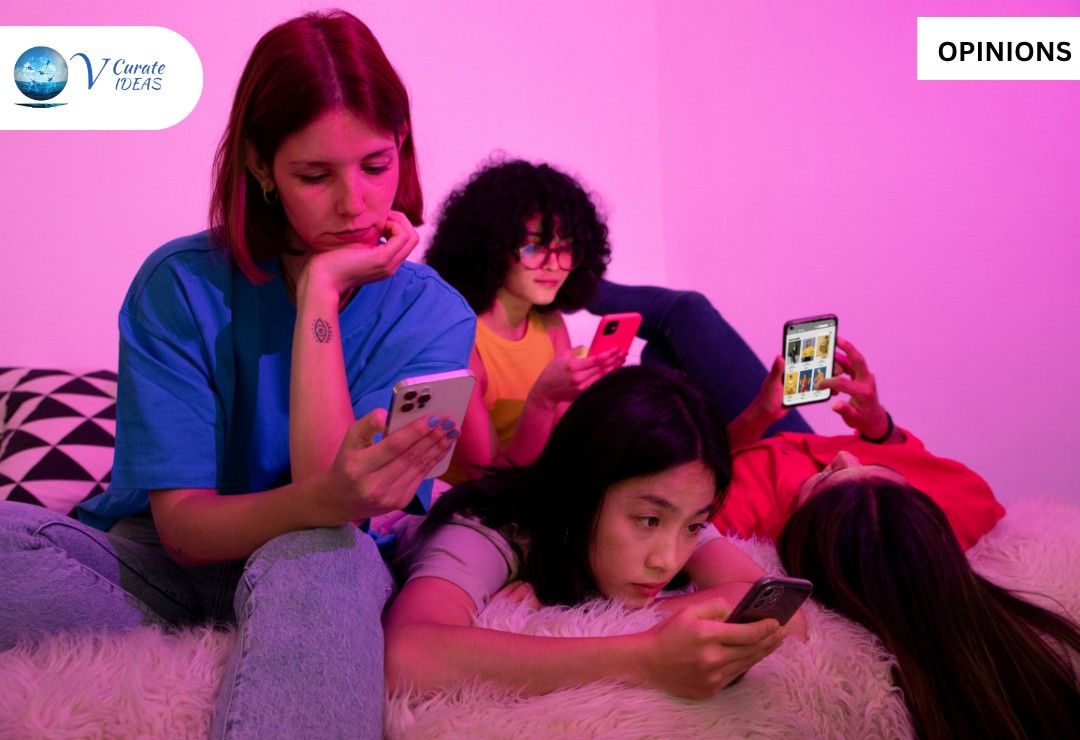
How social media algorithms shape thoughts, behavior, identity, and modern digital beliefs online up

Gen Z is naturally shaping the crypto economy through digital fluency, financial independence, and trust in blockchain based systems.

Explore how user data fuels tech profits and raises concerns about privacy, control, and digital exploitation today.

How digital life fuels overthinking and anxiety in Gen Z, impacting mental health, focus, and emotional well-being in today’s always-connected world.

Elon Musk is famous for being an environmental entrepreneur and businessman. Let's take a survey to know why is he so famous :)

This survey is aimed at knowing the way social media is affecting our youth in both positive and negative ways.
© Copyright 2019 - 2026, All Rights Reserved








Participant Comments