O-Boy Satellite Smartwatch Review: Real Off-Grid Lifesaver
Detailed review of O-Boy Satellite Smartwatch covering satellite SOS, off-grid reliability, design, pros, cons, and real-world use cases.


The rise of Gen Z podcasts has completely changed the media landscape. What started as simple audio conversations has now evolved into full-scale digital businesses. Today’s top creators are not just podcast hosts they are building brands, communities, and multiple income streams at once. If you’re searching how podcasters make money or how to build a Gen Z media brand, this breakdown explains exactly what’s working in 2026.
Unlike traditional media, a successful podcast monetization strategy doesn’t rely on just one source of income. Instead, creators combine multiple revenue streams to scale faster and earn consistently.
The biggest income source for most Gen Z podcast hosts is sponsorships. Brands pay creators to promote products within episodes.
There are usually three formats:
Host-read ads perform best because they sound authentic. This matters a lot for Gen Z audiences who can easily detect forced promotions.
Top creators like Alexandra Cooper have turned sponsorships into massive revenue streams, earning up to six figures per episode.
Streaming platforms are investing heavily in exclusive content. Platforms like Spotify, Apple Podcasts, and Audible compete to secure popular shows.
These deals can range from millions to over $100M for top podcasts. This is where podcasts transition into full media companies.
Modern Gen Z podcast trends show a strong shift toward video content. Many podcasts now upload full episodes on YouTube.
This opens additional revenue streams like:
A podcast with strong monthly views can generate thousands of dollars just from video content.
Successful podcasts don’t stop at content—they build brands.
Creators launch:
For example, Emma Chamberlain expanded her brand beyond content into business ventures, showing how powerful a loyal audience can be.
Another growing method in podcast monetization is affiliate marketing.
Creators recommend products and earn commissions on each sale. This works especially well in niches like:
With commission rates between 10% and 40%, this can become a strong passive income stream.
Many Gen Z podcast hosts are building private communities through platforms like Patreon and Discord.
Fans pay monthly subscriptions for:
This creates stable, recurring revenue while strengthening audience loyalty.
Live experiences are becoming a major part of the podcast business model.
Popular shows host:
These events not only generate revenue but also deepen the connection between creators and their audience.
The most important shift is this: successful creators think beyond the podcast itself.
A winning Gen Z media strategy includes:
Many podcasts grow primarily through short-form content on social platforms, not just through audio platforms.
The biggest takeaway is simple: Gen Z podcasts are not just content—they are businesses.
Creators who succeed are the ones who treat their podcast as part of a larger ecosystem. By combining multiple revenue streams and staying authentic, they turn audiences into communities and content into long-term income.
As the creator economy continues to grow, podcasting remains one of the most powerful ways to build influence, scale a brand, and generate revenue in 2026.

Detailed review of O-Boy Satellite Smartwatch covering satellite SOS, off-grid reliability, design, pros, cons, and real-world use cases.
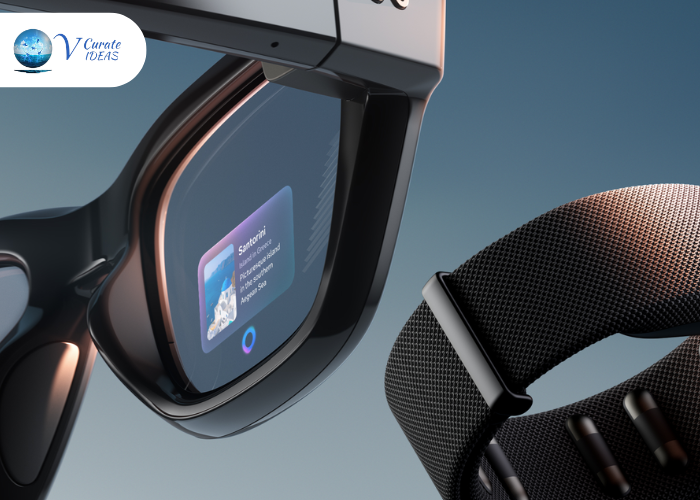
A real review of Ray-Ban Meta AI Glasses covering AI features, camera, audio, battery, and whether they’re actually worth buying in 2026.

The Boys Season 5 delivers brutal superhero chaos, dark humor, and shocking nonstop twists.

Honest review of House of the Dragon Season 3 with intense Targaryen war, betrayal, and dragons.

Claude is a powerful LinkedIn voice with a smart system that blends AI efficiency and human creativity.
© Copyright 2019 - 2026, All Rights Reserved