O-Boy Satellite Smartwatch Review: Real Off-Grid Lifesaver
Detailed review of O-Boy Satellite Smartwatch covering satellite SOS, off-grid reliability, design, pros, cons, and real-world use cases.

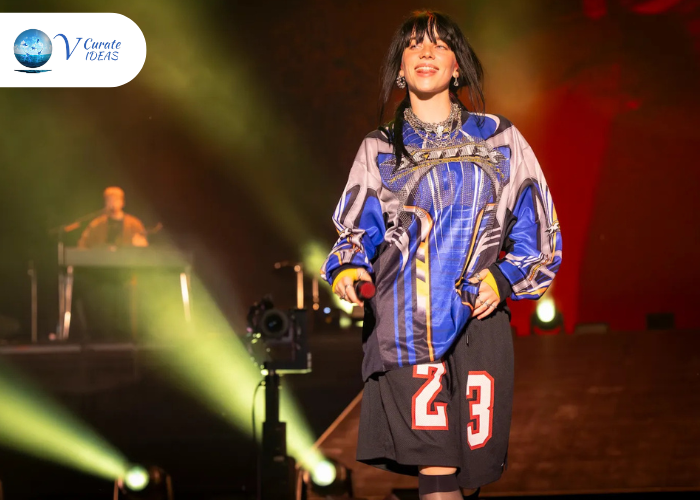
Gen Z does not consume music the way previous generations did. It is less about charts and more about connection, mood, and identity. That is exactly where Billie Eilish fits in. She is not just listened to, she is felt. Her music shows up in moments when people are alone, thinking, scrolling, or trying to process something they do not fully understand yet. What makes her different is how naturally she aligns with Gen Z music trends. Instead of loud production and predictable hooks, her songs are often quiet, layered, and emotionally heavy. This style connects with listeners who are searching for something more personal, which is why terms like relatable music for Gen Z and emotional vibe songs continue to trend.
There is also a shift in what audiences expect from artists. Perfection does not impress Gen Z the way authenticity does. Billie Eilish built her image around being real, not ideal. That is why she resonates so strongly with conversations around authentic artist identity and Gen Z self expression. She does not present a polished version of life, she reflects the messy, in between moments that feel more honest. Her influence also grows through digital platforms. Music discovery today is shaped by short form content, where songs become part of personal storytelling. Billie’s tracks are widely used in content that expresses emotion, whether it is heartbreak, nostalgia, or self reflection. This connects directly with rising searches like TikTok music culture and viral Gen Z songs, where the focus is less on promotion and more on relatability.
Another reason she stands out is her ability to turn simplicity into impact. Her sound, visuals, and overall presence feel intentional but not forced. In a digital space filled with constant noise, this approach aligns with minimalist music style and aesthetic content trends that Gen Z prefers. It creates a sense of calm while still delivering depth. Beyond music, her presence reflects a broader cultural shift. Gen Z is redefining influence by valuing honesty over image and creativity over conformity. Billie Eilish represents that shift in a way that feels natural rather than strategic. This is why discussions around Gen Z digital identity and modern music influence often connect back to artists like her.
In the end, her popularity is not accidental. It comes from understanding, whether intentional or not, how this generation thinks, feels, and expresses itself. Billie Eilish does not just make music for Gen Z. She mirrors them, and that is what makes her lasting.
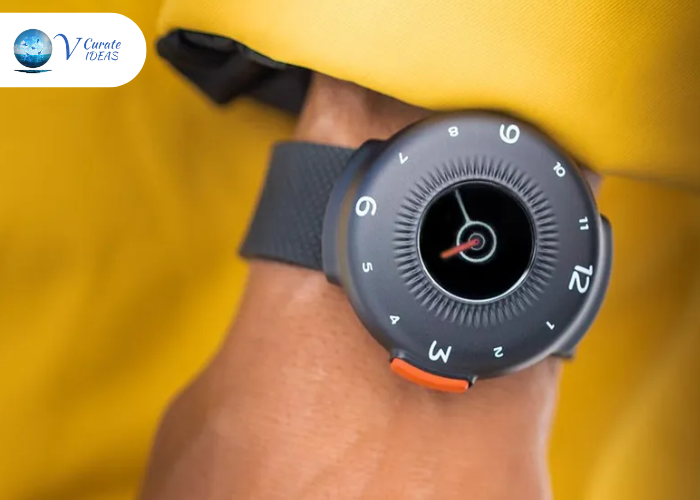
Detailed review of O-Boy Satellite Smartwatch covering satellite SOS, off-grid reliability, design, pros, cons, and real-world use cases.
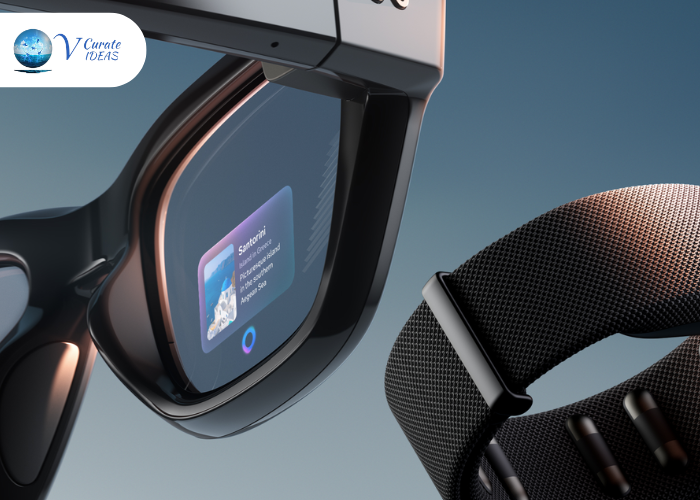
A real review of Ray-Ban Meta AI Glasses covering AI features, camera, audio, battery, and whether they’re actually worth buying in 2026.

The Boys Season 5 delivers brutal superhero chaos, dark humor, and shocking nonstop twists.

Honest review of House of the Dragon Season 3 with intense Targaryen war, betrayal, and dragons.

Claude is a powerful LinkedIn voice with a smart system that blends AI efficiency and human creativity.
© Copyright 2019 - 2026, All Rights Reserved